
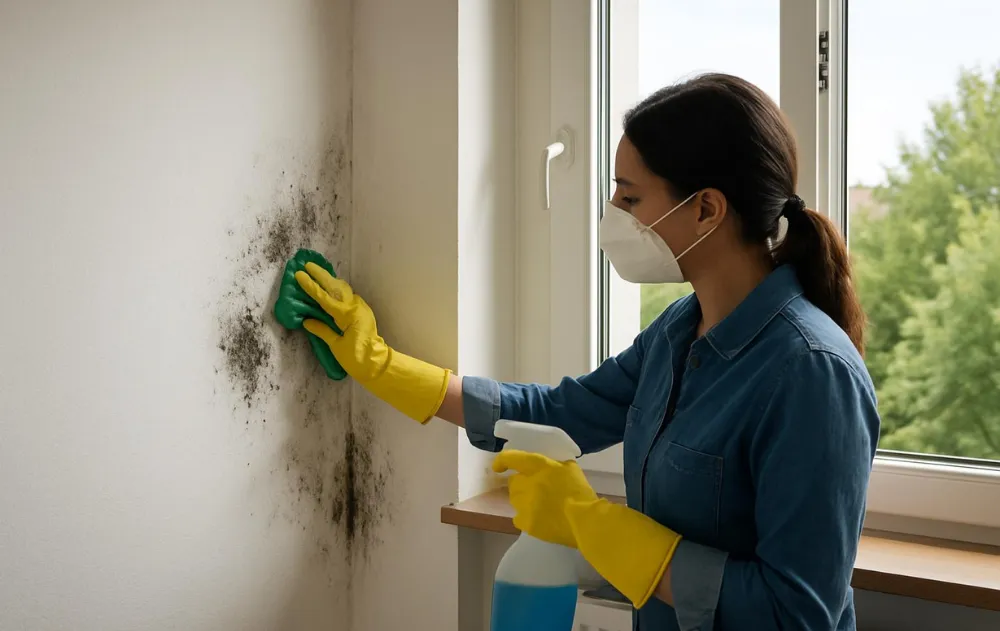
Understanding the Hidden Causes of Recurring Mould in Your Home
Many homeowners assume that once mould has been cleaned, the problem is solved. Unfortunately, mould often returns because cleaning only removes the visible growth, not the conditions that allowed it to develop in the first place.
If mould keeps appearing in your bathroom, laundry, kitchen, or around windows, it may be a sign of an underlying moisture issue that requires further investigation. Understanding the common causes can help prevent mould from becoming an ongoing problem.
1. The Moisture Source Hasn’t Been Fixed
Mould needs moisture to grow. While cleaning products can remove visible mould, they won’t stop it from returning if excess moisture remains.
Common moisture sources include:
- Leaking pipes
- Dripping taps
- Hidden water leaks
- Roof leaks
- Poor drainage around the property
If mould repeatedly returns to the same area, there may be an underlying moisture issue that should be investigated.
2. Poor Bathroom Ventilation
Bathrooms are one of the most common places for mould growth due to frequent exposure to steam and humidity.
Without adequate ventilation, moisture can remain trapped on:
- Walls
- Ceilings
- Grout lines
- Shower screens
- Window frames
Over time, these damp conditions create the ideal environment for mould to return.
Simple measures such as using exhaust fans during and after showers can help reduce moisture levels and improve airflow.
3. Hidden Plumbing Leaks
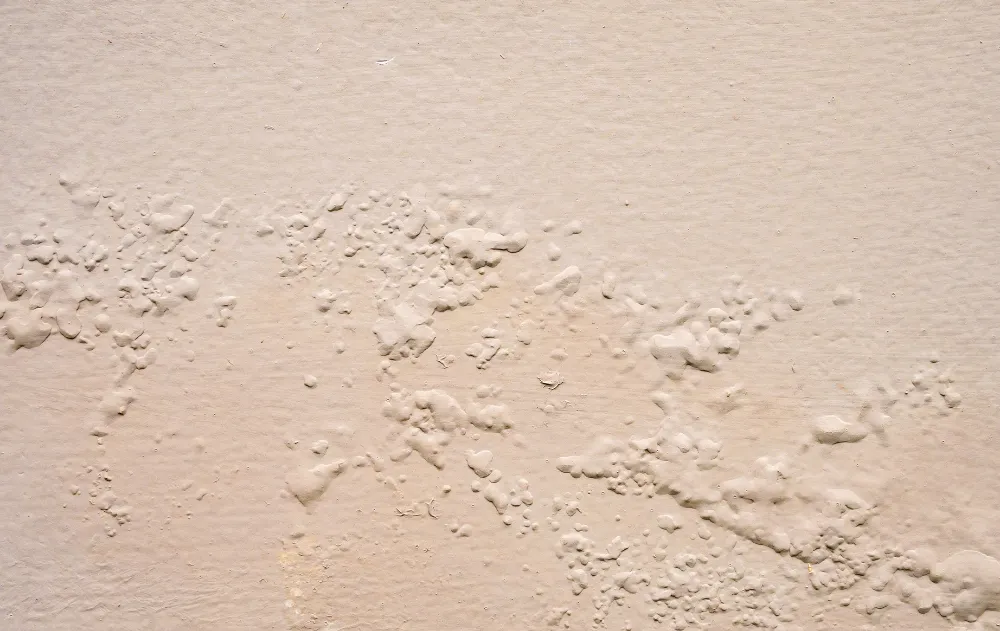
Not all leaks are obvious. Water can escape from pipes located behind walls, beneath floors, or within ceilings for extended periods before visible damage appears.
Some signs of a hidden leak include:
- Damp smells
- Water stains
- Bubbling paint
- Peeling surfaces
- Recurring mould in the same location
If mould continues to return despite regular cleaning, a hidden plumbing leak may be contributing to the problem.
4. Condensation and Excess Humidity
Condensation occurs when warm, moist air comes into contact with cooler surfaces.
This commonly affects:
- Windows
- Mirrors
- External walls
- Bathrooms
- Laundry areas
Over time, repeated condensation can create enough moisture for mould to develop.
Managing indoor humidity levels and improving ventilation can help reduce condensation-related mould growth.
5. Damp Building Materials
In some cases, mould returns because moisture has penetrated building materials such as plasterboard, timber, insulation, or flooring.
Even after the visible mould has been removed, trapped moisture may remain beneath the surface. As a result, mould can continue to reappear until the affected materials have properly dried or the underlying issue has been addressed.
6. Shower and Waterproofing Issues
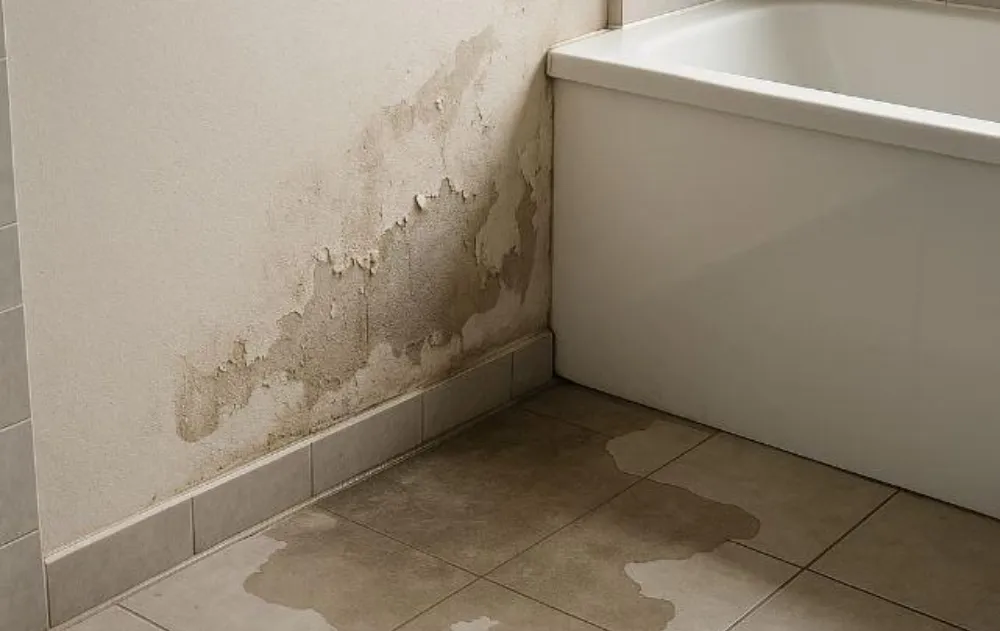
Bathrooms rely on effective waterproofing to prevent water from entering surrounding walls and floors.
Over time, issues such as:
- Cracked grout
- Damaged silicone seals
- Waterproofing defects
- Shower leaks
can allow moisture to enter concealed areas. This hidden moisture often creates ideal conditions for mould growth and may explain why mould repeatedly returns around bathrooms and wet areas.
7. Cleaning Removes Mould, Not the Cause
Many mould removal products are designed to clean visible mould and improve appearance.
However, if the moisture source remains, mould will often return. Lasting mould prevention typically involves identifying and addressing the underlying cause rather than repeatedly treating the symptoms.
For this reason, recurring mould should be viewed as a warning sign rather than simply a cleaning issue.
When Should You Be Concerned About Recurring Mould?
Occasional mould growth may be related to temporary moisture or seasonal conditions.
However, further investigation may be worthwhile if:
- Mould returns shortly after cleaning
- The affected area continues to grow
- There are signs of water damage
- Damp smells persist
- Multiple rooms are affected
These signs may indicate an ongoing moisture problem that requires attention.
Professional Plumbing Services in Perth
At Perth Local Plumbing & Gas, we help homeowners identify and resolve plumbing issues that may contribute to excess moisture and mould growth.
Our services include:
- Leak detection services
- General plumbing repairs
- Tap and pipe repairs
- Bathroom plumbing services
- Hot water system repairs
- Emergency plumbing services
- Residential plumbing inspections
Where mould is linked to a hidden plumbing issue, identifying the source early can help prevent further damage and ongoing maintenance problems.
FAQs
1. Why does mould keep coming back after I clean it?
Mould often returns when the underlying moisture source remains. Cleaning removes the visible mould, but leaks, humidity, or poor ventilation may continue to create suitable growing conditions.
2. Can a hidden water leak cause mould?
No. Mould can also result from condensation, poor ventilation, or waterproofing issues. However, plumbing leaks are one of the common causes of persistent mould.
3. Why is mould most common in bathrooms?
Bathrooms are exposed to high levels of moisture and humidity. Without adequate ventilation, damp conditions can allow mould to develop and return.
4. When should I investigate recurring mould?
If mould continues to return after cleaning, spreads to multiple areas, or is accompanied by damp smells or water damage, it may be worth investigating the underlying cause.
Final thoughts
Understanding the source of that moisture is often the key to preventing mould from returning and protecting your home from further damage.
If you suspect a hidden plumbing issue may be contributing to recurring mould, contact Perth Local Plumbing & Gas for professional advice and leak detection services.
