
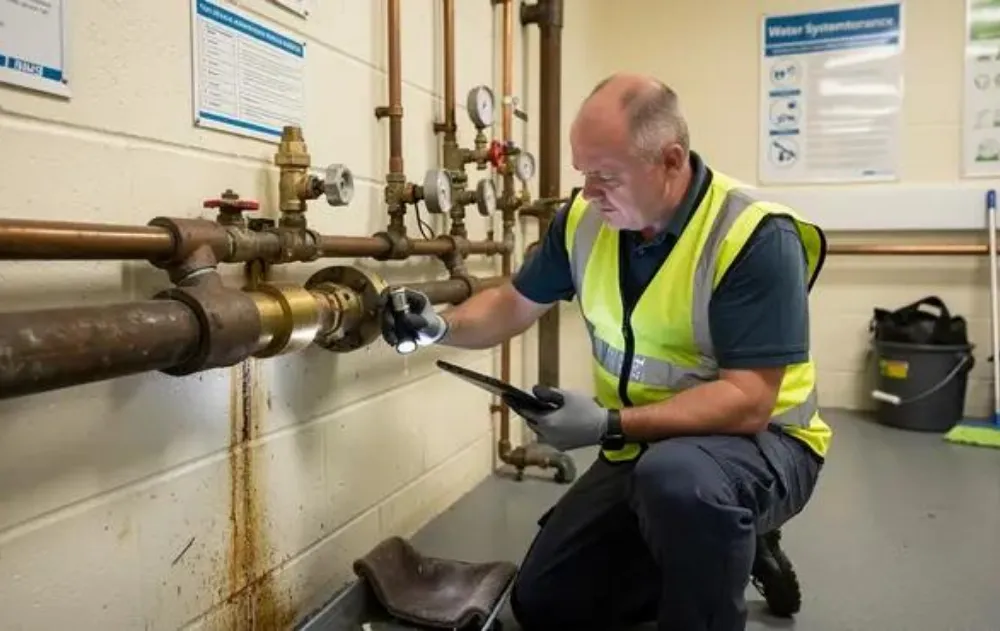
A Practical Checklist for Identifying Potential Issues Before They Become Costly Repairs
Managing a commercial property involves more than responding to maintenance requests when problems occur. Regular plumbing inspections help identify issues before they affect tenants, disrupt business operations, or result in expensive repairs.
Whether you manage an office building, retail centre, warehouse, or mixed-use property, understanding what to look for during a commercial plumbing inspection can help you make informed decisions about maintenance and budgeting.
Here are some of the key areas property managers should review during a commercial plumbing inspection.
1. The Condition of Pipes and Fixtures
One of the first things to assess during a commercial plumbing inspection is the overall condition of visible pipework, fittings, and plumbing fixtures.
Inspectors will typically look for:
- Corrosion or rust
- Signs of leaks
- Damaged pipework
- Worn fixtures
- Age-related deterioration
Identifying these issues early can help prevent larger plumbing failures and reduce repair costs over time.
2. Signs of Hidden Leaks
Not all plumbing problems are visible.
Commercial plumbers may check for signs of hidden leaks that could be affecting the property without obvious symptoms.
Common indicators include:
- Water stains on walls or ceilings
- Damp areas
- Unexpected water usage increases
- Moisture around plumbing infrastructure
Early leak detection can help protect the building and reduce unnecessary water consumption.
3. Drainage Performance
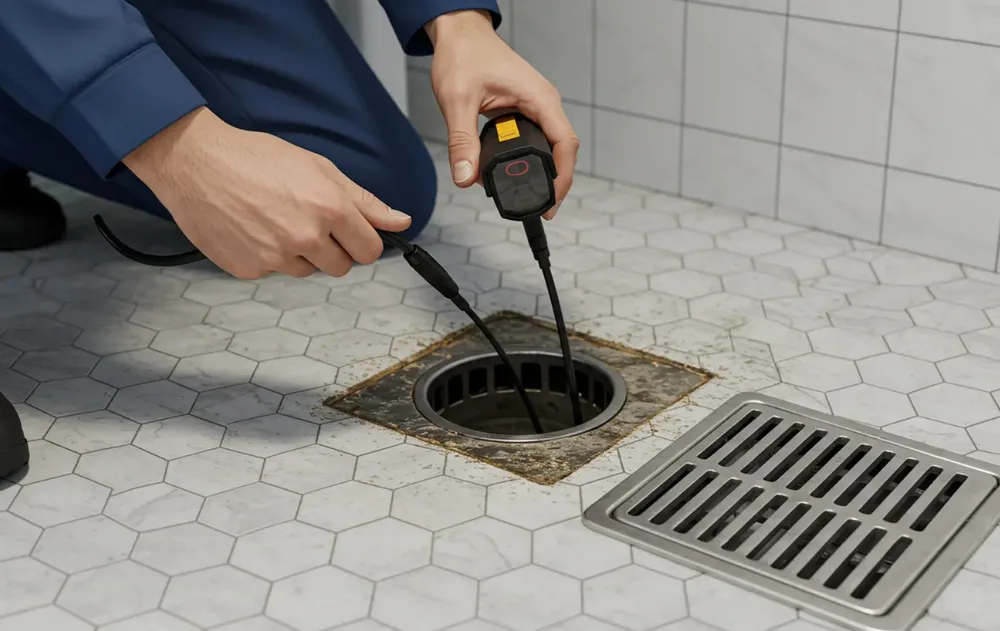
Drainage systems experience significant daily use in commercial properties.
During the inspection, attention should be given to:
- Slow-draining sinks
- Recurring blocked drains
- Drain odours
- Evidence of sewer issues
- Drainage system condition
Drainage issues that are identified early are often easier and less disruptive to resolve.
4. Water Pressure Throughout the Property
Water pressure can provide valuable insight into the overall condition of a plumbing system.
Property managers should discuss any concerns relating to:
- Low water pressure
- Inconsistent flow
- Pressure fluctuations
- Tenant complaints regarding water supply
Changes in water pressure may indicate underlying plumbing issues that require further investigation.
5. The Condition of Hot Water Systems
Commercial hot water systems operate under constant demand and should be reviewed during every inspection.
Areas to discuss include:
- System age
- General condition
- Maintenance history
- Operating performance
- Potential replacement timelines
Understanding the condition of the system can help property managers plan future maintenance and capital expenditure.
6. Gas Systems and Appliance Connections
Where gas systems are installed, they should form part of the inspection process.
Commercial plumbers may assess:
- Gas pipework condition
- Appliance connections
- Signs of deterioration
- Potential safety concerns
- Overall system performance
Regular inspections can help ensure gas infrastructure remains safe and reliable.
7. Compliance and Safety Considerations
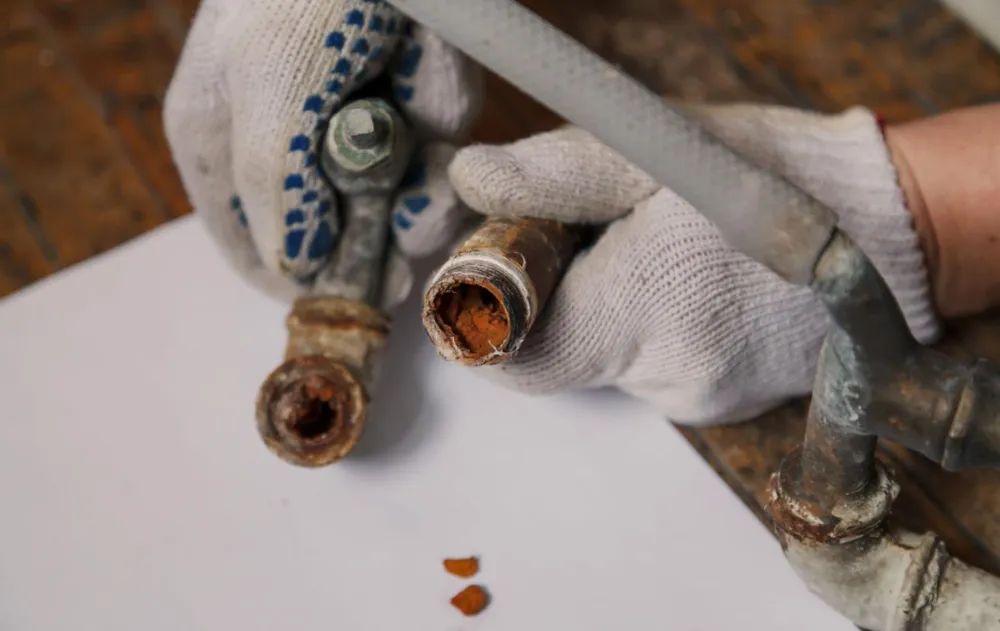
Commercial properties may have plumbing compliance requirements that differ from residential buildings.
During the inspection, property managers should discuss:
- Backflow prevention requirements
- Safety concerns
- Plumbing compliance issues
- Recommended corrective actions
Addressing compliance-related matters early can help avoid future complications.
8. Recommended Repairs and Maintenance Priorities
Not every issue identified during an inspection requires immediate action.
A commercial plumbing inspection is also an opportunity to understand:
- Which repairs require urgent attention
- Which issues should be monitored
- Recommended maintenance schedules
- Potential future upgrades
This information can help property managers prioritise maintenance budgets and minimise unexpected costs.
Why Commercial Plumbing Inspections Matter
Commercial plumbing systems support the daily operation of businesses, tenants, and building occupants.
Regular inspections help identify developing issues before they become disruptive, allowing property managers to make informed decisions and maintain reliable building performance.
Working with experienced commercial plumbers in Perth can help ensure plumbing systems remain safe, efficient, and well-maintained throughout the year.
Professional Commercial Plumbing Services in Perth
At Perth Local Plumbing & Gas, we work with property managers, facility managers, business owners, and commercial property operators across Perth.
Our commercial plumbing services include:
- Commercial plumbing maintenance
- Leak detection services
- Blocked drain clearing
- Hot water system servicing
- Gas fitting and gas appliance services
- Pipe repairs and replacements
- Emergency plumbing services
Our experienced team helps identify potential issues early, supporting reliable plumbing performance and reducing the risk of unexpected disruptions.
FAQs
1. What is included in a commercial plumbing inspection?
A commercial plumbing inspection typically assesses pipes, fixtures, drains, hot water systems, water pressure, and the overall condition of the plumbing infrastructure.
2. Why are commercial plumbing inspections important?
Regular inspections can help identify leaks, drainage issues, ageing infrastructure, and maintenance requirements before they become costly repairs.
3. How often should commercial plumbing systems be inspected?
The ideal frequency depends on the property’s size, age, and usage levels. Regular inspections help identify potential issues before they affect building operations.
4. Can a plumbing inspection identify hidden leaks?
Yes. Professional inspections may identify signs of hidden leaks, moisture issues, or water loss that require further investigation.
5. What should property managers ask during a plumbing inspection?
Property managers should ask about system condition, maintenance recommendations, compliance concerns, and any repairs that may require attention.
Final thoughts
If you’re planning a commercial plumbing inspection, contact Perth Local Plumbing & Gas for professional advice and reliable commercial plumbing services across Perth.
