
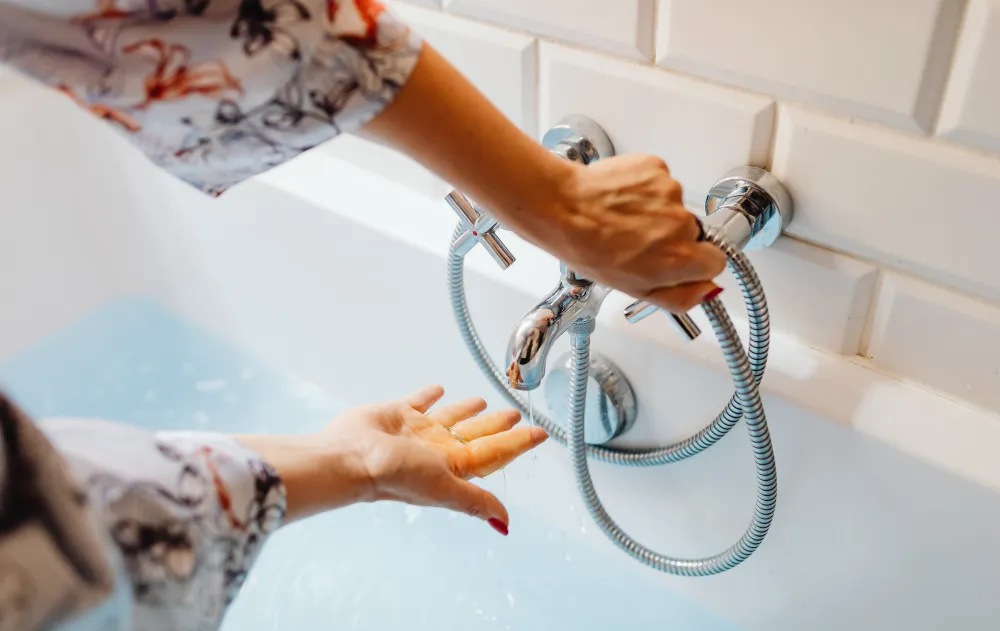
Been Away for a Few Weeks? Some Plumbing Checks Before You Settle Back In
Coming home after a few weeks away usually means unpacking, doing the washing and getting the house back into its normal routine. Before you do that, it is worth taking a few minutes to carry out some plumbing checks.
You do not need to inspect every pipe in the house. A quick look at the areas you can easily access can help you spot a leak, running toilet, dripping tap or another issue that may have gone unnoticed while the property was empty.
Here are the main plumbing checks to make after being away.
1. Look for Any Visible Leaks
Start with the areas where water connections are easy to see.
Check around:
- Kitchen and bathroom taps
- Under sinks and vanities
- Toilet connections
- Laundry plumbing
- Visible pipework
- The hot water system
Look for drips, damp areas, water marks or moisture where there should not be any.
A small leak can be easy to miss when nobody is using the house. Water Corporation also recommends checking for leaks and provides a basic meter test for homeowners.
2. Check the Toilets and Taps
Run the taps around the house and flush each toilet.
Check that:
- Taps turn off properly
- Toilets stop running after flushing
- Water is not leaking around the base of a toilet
- There are no drips from tap connections
A toilet that keeps running after being flushed is worth getting checked rather than leaving it until it becomes a bigger problem.
3. Check Under the Kitchen and Bathroom Sinks
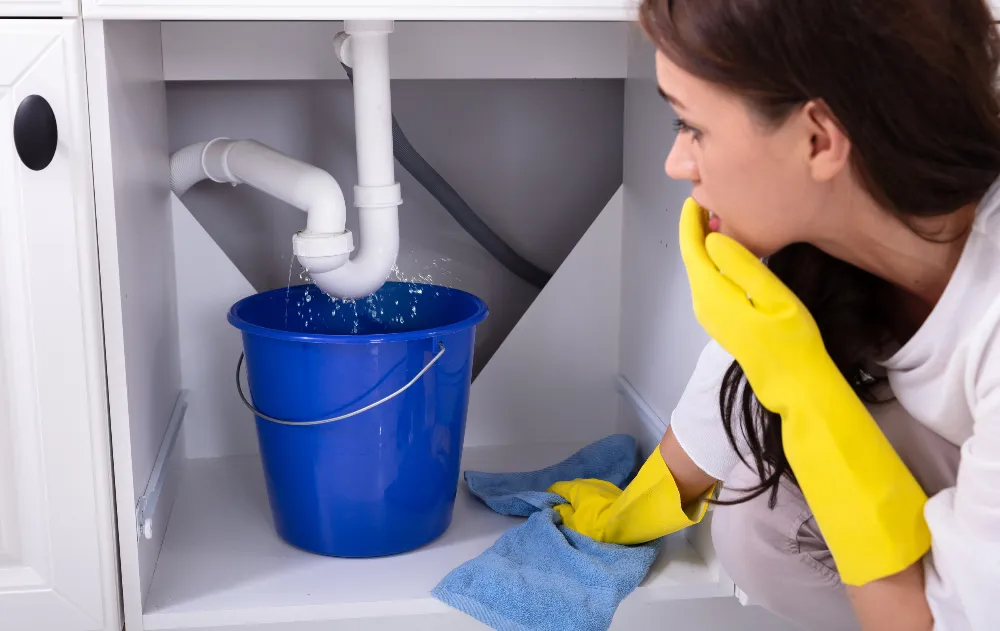
Cupboards under sinks are easy to forget about.
Open them and have a quick look around the plumbing connections.
Check for:
Moisture
Any dampness around the pipes, waste or connections.
Drips
Look underneath fittings while the tap is running.
Water damage
Swollen cabinetry, staining or a musty smell can indicate that water has been getting where it should not.
This is particularly useful after a few weeks away because small changes may have gone unnoticed while nobody was home.
4. Check Washing Machine and Dishwasher Connections
If you have a washing machine or dishwasher, check the water connections before running a load.
Look for:
- Dampness around hoses
- Drips from connections
- Water around the appliance
- Loose-looking fittings
Then run the appliance and check the connections again.
You are not trying to dismantle anything. The aim is simply to spot anything visibly wrong before the appliance goes back into regular use.
5. Check the Water Meter
Your water meter can provide another useful indication of a leak.
Water Corporation recommends turning off all taps and water-using appliances, checking the meter, waiting 15 minutes, and checking it again. If the meter has moved during the test, there may be a leak.
This is a simple check you can do yourself without touching the plumbing. Keep in mind that the meter test can indicate a potential leak but can not do exact leak detection.
6. Check Outdoor Taps and Visible Plumbing
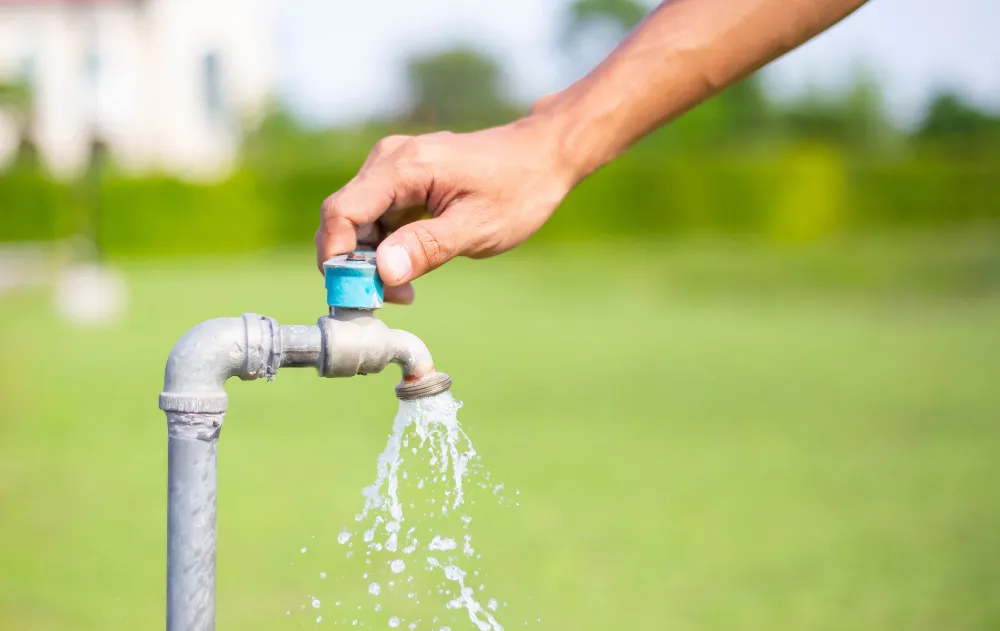
If you were away while your outdoor plumbing was not being used, take a quick look at:
- Garden taps
- Hose connections
- Visible external pipework
- Areas around outdoor plumbing for unexplained moisture
Turn the tap on briefly and check that the connection is not leaking.
There is no need to inspect anything you cannot safely access. A visual check is enough for this part.
What If You Find Something Wrong?
Not every issue needs immediate plumbing work.
A dripping tap or loose connection may be straightforward, while a leak you cannot locate or a problem that keeps coming back may need further investigation.
It is worth getting the plumbing checked when you notice:
- A leak that continues after the water is turned off
- A toilet that keeps running
- Water appearing where it should not
- A meter movement when everything is switched off
- A recurring problem that has returned after you got home
Water Corporation notes that leaks can result from issues including worn or faulty pipes and fittings, corrosion and ground movement.
The important part is finding out what is actually causing the problem, rather than simply cleaning up the water and carrying on.
A Simple Return-Home Plumbing Check
Before getting back into your normal routine, take five minutes to complete these
plumbing checks:
✓ Visible taps and pipework
✓ Toilets
✓ Under-sink plumbing
✓ Washing machine and dishwasher connections
✓ Water meter
✓ Outdoor taps and visible plumbing
It is a small check, but it can help you spot a problem before regular water use starts again.
Frequently Asked Questions
1. Should I do plumbing checks after being away for a few weeks?
Yes. A quick check of visible plumbing, toilets, taps, appliance connections and your water meter can help you spot issues after the property has been unoccupied.
2. How can I check for a water leak at home?
Turn off all taps and water-using appliances, check your water meter, wait 15 minutes and check it again. If the meter has moved, there may be a leak.
3. What should I check under my kitchen sink?
Look for dampness, dripping connections, water marks, damaged cabinetry or anything else that suggests water is escaping from the plumbing.
4. What should I do if I find a leak after being away?
If you can safely do so, limit water use around the affected area and arrange for the plumbing to be assessed, particularly if the source of the leak is not obvious.
Final Thoughts
You do not need to carry out a full plumbing inspection every time you come home from a trip. A quick check of your visible plumbing, toilets, taps, appliance connections and water meter can help you spot problems early.
If you notice a leak, running toilet, damaged fitting or anything that does not look right, it is worth getting the issue checked before it becomes a bigger problem.
At Perth Local Plumbing & Gas, we assess the issue, explain what needs attention and provide clear pricing before any agreed work begins, helping you understand what needs to be repaired or replaced.
