
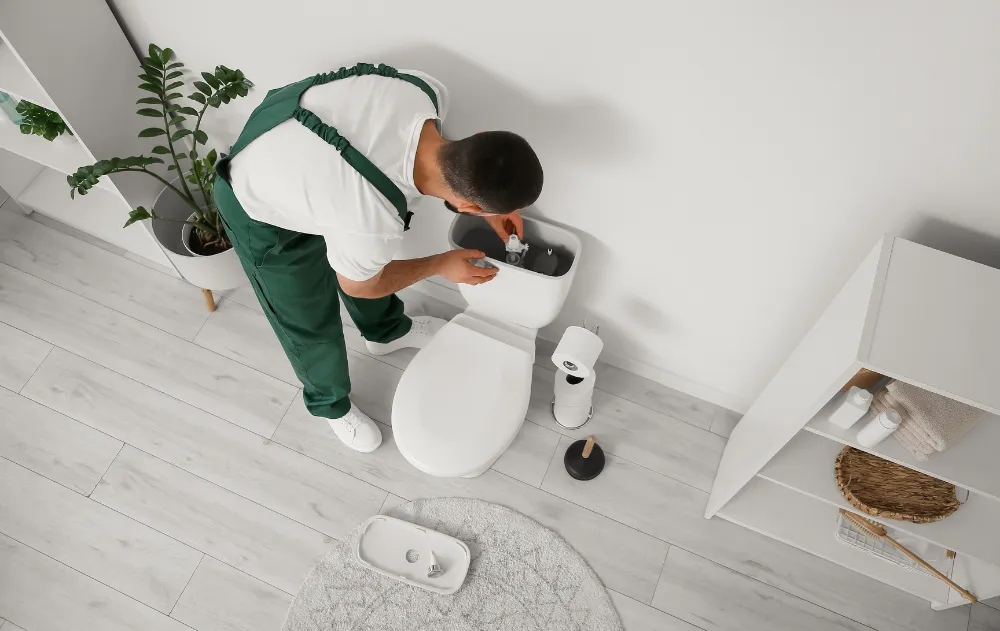
A running toilet or occasional leak does not always mean the whole toilet needs to be replaced. But when problems keep returning, damage is involved or repairs are becoming less practical, it may be time to consider a new one.
The decision usually comes down to the type of problem and the condition of the toilet itself.
Some faults involve individual components that can be repaired or replaced. Others may involve damage to the toilet, ageing parts or ongoing issues that make another repair harder to justify.
Here are some of the things worth considering.
When a Toilet Is Usually Worth Repairing
Many common toilet problems are caused by individual components rather than the toilet itself.
A toilet that continues running after flushing, has a flushing issue or develops a problem inside the cistern may have a faulty or worn component that can potentially be repaired or replaced.
Leaks can also come from connections, seals or other parts associated with the toilet rather than the toilet pan itself.
If the issue is isolated and the rest of the toilet is in good condition, a repair may be the more practical option.
The important question is whether you are dealing with one identifiable fault or a toilet that is starting to develop multiple problems over time.
Cracks and Damage: What Part of the Toilet Is Affected?
Not all damage has the same implications.
A problem involving an external connection or replaceable component is different from damage to the toilet itself.
For example, a damaged connection or worn seal may be repairable. A damaged cistern may require a suitable replacement, depending on the toilet and the availability of compatible parts.
A crack in the toilet pan, however, is a more significant issue. The pan is the main body of the toilet, and visible damage should not simply be covered up or ignored.
If you notice a crack, damage or unexplained water around the toilet, it is worth having the cause assessed before deciding what needs to be repaired or replaced.
When Repairs Start Adding Up
Repairing a toilet once is normal. Repeatedly dealing with different faults is a different situation.
You might replace an internal component, then experience another issue with flushing, leaking or general reliability months later. Each problem may be repairable on its own, but the overall pattern can become an important part of the decision.
This does not mean every toilet with more than one repair needs replacing. However, if problems are becoming frequent, it can be worth looking at the toilet as a whole rather than treating every new issue as completely unrelated.
At that point, comparing the likely cost and practicality of further repairs with replacement may make more sense.
What If Replacement Parts Are Becoming Difficult to Source?
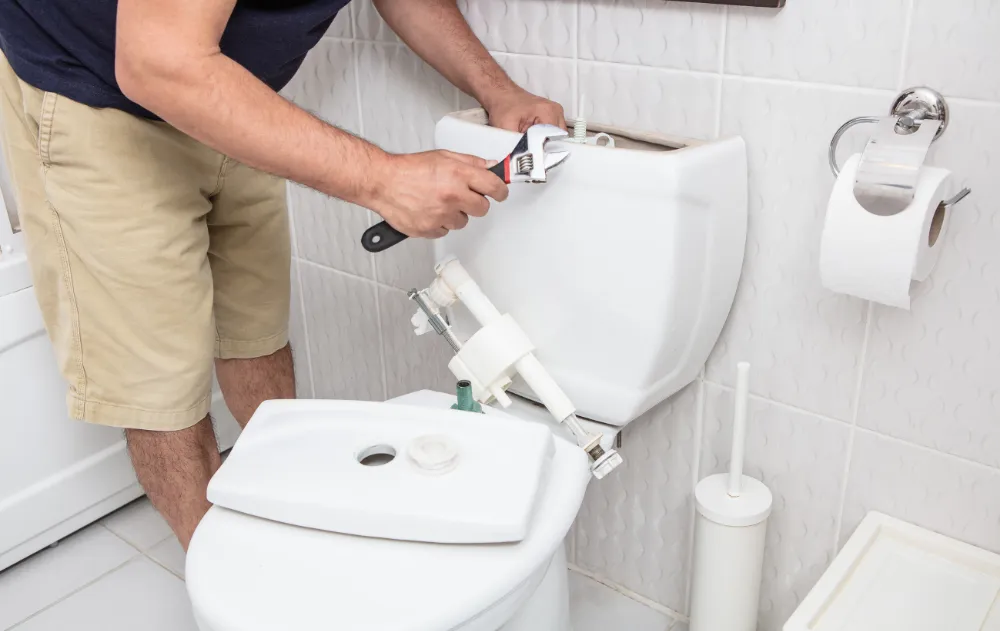
An older toilet is not automatically ready for replacement. Plenty of older toilets continue to work reliably.
The challenge can arise when a particular cistern component or other compatible part is no longer readily available, or finding a suitable replacement becomes less practical.
In some cases, alternative parts may be available. In others, the condition or design of the existing toilet may limit the repair options.
This is one reason why age alone is not the deciding factor. The condition of the toilet, the problem involved and the availability of suitable parts can all influence whether repair remains practical.
Leaks Around or Beneath the Toilet
Leak around the base of a toilet does not automatically mean the toilet needs replacing.
The source could be a connection, seal, cistern or another part of the surrounding plumbing. Water may also appear in one location while coming from somewhere else.
For that reason, replacing the toilet without understanding the source of the water may not address the actual problem.
Once the cause has been identified, it becomes easier to determine whether the issue involves a repairable part, the toilet itself or the plumbing connected to it.
When Replacing the Toilet May Be the More Practical Option
Replacement may be worth considering when:
- The toilet pan is cracked or significantly damaged
- Problems continue to return after repairs
- Multiple components are beginning to fail
- Suitable replacement parts are difficult to source
- The toilet is becoming increasingly unreliable
- You are renovating the bathroom and replacing the fixture makes sense as part of the project
There is no fixed age at which a toilet should automatically be replaced. The decision depends on the specific issue and whether repairing it remains practical.
Will a New Toilet Work With Your Existing Plumbing?
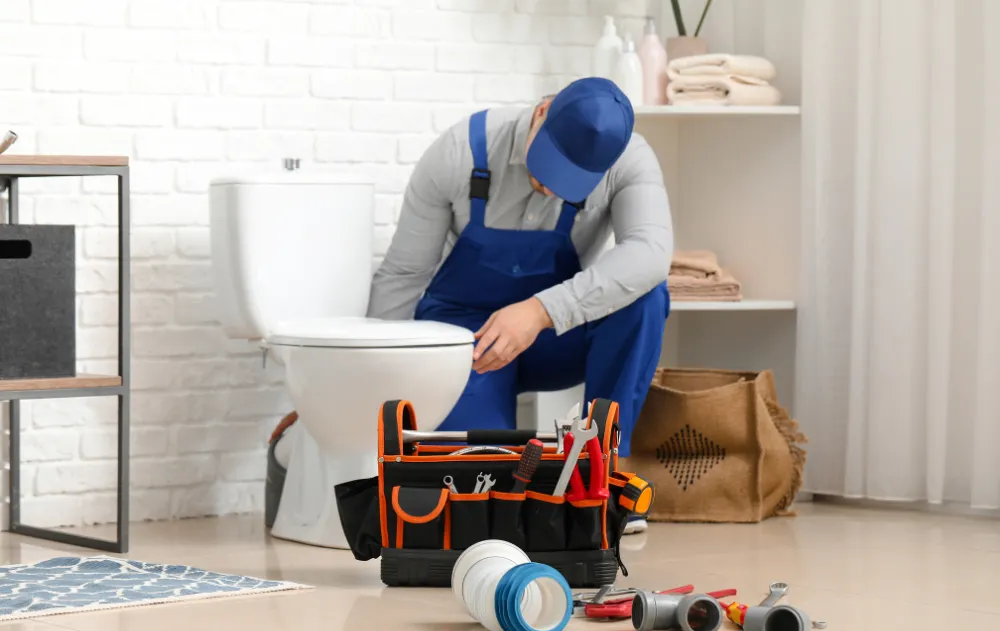
Before choosing a replacement, it is worth checking how the new toilet will work with the existing bathroom layout and plumbing.
Things that may need to be considered include:
- Available space
- The size and configuration of the replacement toilet
- The location of existing water and drainage connections
- Whether the replacement is intended to use the existing setup
- Whether any changes to surrounding plumbing may be required
A toilet that looks suitable online or in a showroom may not necessarily be a straightforward replacement for the one already installed.
Checking the existing setup before installation can help avoid unexpected changes once the old toilet has been removed.
Repair or Replace? Making the Practical Choice
There is no single answer for every toilet problem.
A faulty component or connection may only require a straightforward repair. A damaged toilet, recurring faults or difficulty sourcing suitable parts can change the equation.
Looking at the overall condition of the toilet and the nature of the problem can help determine whether another repair is worthwhile or whether replacement is the more practical next step.
At Perth Local Plumbing & Gas, we can assess toilet problems, explain what is causing the issue and discuss the available options. If a repair is practical, we can explain the work involved. If replacement makes more sense, we can also help with toilet installation.
Frequently Asked Questions
1. How do I know whether my toilet should be repaired or replaced?
It depends on what is causing the problem. An isolated fault involving a replaceable component may be suitable for repair, while recurring problems, significant damage or difficulty sourcing suitable parts may make replacement more practical.
2. Can I replace just the toilet cistern?
In some situations, replacing the cistern may be possible, but compatibility with the existing toilet is important. The available options will depend on the toilet and the parts that can be sourced for that model or setup.
3. Will a new toilet fit my existing plumbing connections?
Not every toilet uses the same configuration. The available space, drainage position and existing plumbing setup can affect whether a particular replacement can be installed without further alterations.
4. Can I replace my toilet as part of a bathroom renovation?
Yes. A bathroom renovation can be a practical time to replace a toilet, particularly if other plumbing work or layout changes are already being planned.
5. Do I need a plumber to install a new toilet?
Toilet installation involves connecting the fixture to the property’s water and drainage systems. Having the installation carried out by professional plumber helps ensure the toilet is properly connected and operating as intended.
Final Thoughts
A toilet does not need to be replaced simply because it develops a problem. Many issues can be repaired when the toilet itself remains in good condition.
But if faults keep returning, the toilet is damaged or suitable parts are becoming difficult to source, replacement may be the more practical option.
If you are dealing with an ongoing toilet problem in Perth, Perth Local Plumbing & Gas can assess the issue and help you decide whether repair or replacement is the right next step.
