

Plumbing problems are common in households, and many start with small warning signs that are easy to overlook. A slow drain, dripping tap, unusual water pressure or inconsistent hot water may not seem serious at first, but recurring problems can indicate an issue that needs attention.
Understanding the common signs and causes of household plumbing problems can help you identify an issue early and decide when it is time to investigate further.
Here are eight plumbing problems commonly found in homes and what homeowners should know about them.
1. Blocked Toilets
A blocked toilet is one of the most noticeable household plumbing problems. The most common signs include water draining slowly, the water level rising when the toilet is flushed, or the toilet not draining at all.
Excessive toilet paper and unsuitable items being flushed can contribute to blockages. A plunger may resolve a minor blockage, but repeated blockages can indicate a deeper drainage problem.
If a toilet continues to block despite basic clearing attempts, the cause may require further investigation.
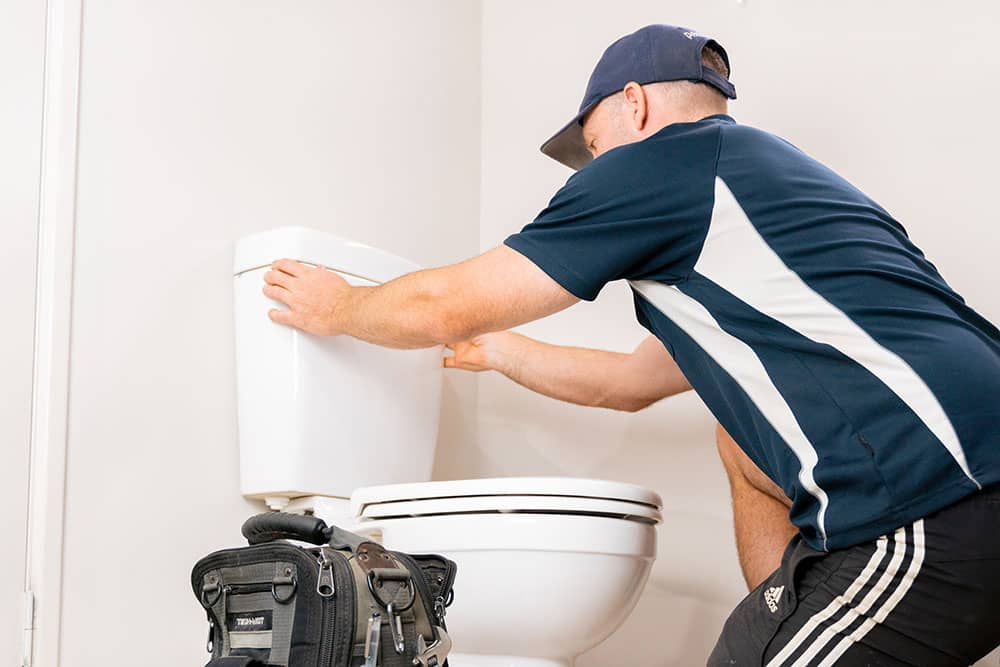
2. Running or Leaking Toilets
A toilet that continues to run after flushing can waste water and may indicate a problem with the cistern components.
Common signs include:
- Water continuously running into the toilet bowl
- The cistern frequently refilling
- Unusual sounds coming from the toilet
- An unexplained increase in water usage
The cause may be a worn seal, faulty inlet valve, damaged flush valve or another component inside the cistern.
A small internal leak can be difficult to notice, so persistent running should not be ignored.
3. Blocked Drains
Blocked drains can affect kitchen sinks, bathroom basins, showers and other household fixtures.
Common warning signs include:
- Water draining more slowly than usual
- Gurgling sounds
- Unpleasant drain odours
- Water backing up into a sink or shower
- Complete loss of drainage
Hair, soap residue and other debris are common causes in bathrooms, while grease, food particles and cooking waste can contribute to kitchen drain blockages.
Avoid putting fats, oils and grease down the kitchen sink, and use suitable drain covers to reduce the amount of debris entering bathroom drains.
If a blockage keeps returning, simply clearing the visible obstruction may not address the underlying problem.
4. Leaking Taps
A dripping or leaking tap can be easy to dismiss as a minor nuisance, but a persistent leak usually means that a component inside the tap needs attention.
Depending on where the water is coming from, the cause may include:
- A worn washer
- A damaged cartridge
- A deteriorated O-ring
- A loose connection
- Corrosion or damage to the tap itself
The sound of dripping water is often the first sign. Water around the base of the tap or underneath the sink can indicate a different type of leak.
For a detailed guide to identifying and addressing a dripping tap, see our guide on how to fix a leaking tap in your home.
5. Low or Weak Water Pressure
Low water pressure can make everyday tasks such as showering, washing dishes and filling containers frustrating.
If the problem affects only one tap or shower, a blocked aerator, showerhead or fixture may be responsible. Mineral build-up can also restrict water flow over time.
However, if water pressure suddenly drops throughout the home, there may be another cause that requires investigation.
Pay attention to whether the problem affects one fixture or the entire property. A sudden or persistent change in water pressure should not simply be assumed to be a fixture problem.
6. No or Inconsistent Hot Water
A lack of hot water can have several possible causes, depending on the type and condition of the hot water system.
Warning signs can include:
- No hot water
- Water becoming cold sooner than expected
- Inconsistent water temperature
- Unusual noises from the system
- Visible water around the unit
Some hot water problems can develop gradually, while others appear suddenly.
Because hot water systems involve plumbing and, depending on the system, electrical or gas components, homeowners should avoid attempting repairs they are not qualified to perform. Persistent problems should be assessed by an appropriately qualified professional.

7. Leaking Pipes or Hidden Water Leaks
Not every plumbing leak is immediately visible. A leak behind a wall, under a floor or in another concealed area can continue for some time before obvious damage appears.
Possible warning signs include:
- Damp patches or water stains
- Mould or persistent musty smells
- Unexplained increases in water usage
- Sounds of running water when fixtures are not being used
- Areas of the property that remain unusually damp
Finding the source early can help prevent further water damage. If you notice unexplained signs of water loss or moisture, the issue should be investigated rather than assuming it will resolve on its own.
8. Gas Plumbing Problems
Gas-related problems require particular care because a gas leak can create a serious safety risk.
Possible warning signs include:
- A sulphur or rotten-egg smell
- A hissing sound near a gas appliance or pipe
- Unexpected changes in gas usage
- An appliance that is not operating normally
If you suspect a gas leak, avoid creating flames or sparks and do not operate electrical switches unnecessarily. Move to a safe location and contact the appropriate emergency or gas service for advice.
Gas appliances and gas connections should only be inspected, repaired or installed by appropriately licensed professionals.
When Should You Get a Plumbing Problem Checked?
Some minor plumbing issues may have an obvious cause, but recurring or unexplained problems deserve closer attention.
Consider getting professional advice when:
- The same problem keeps returning
- A leak cannot be located
- Water damage or dampness is visible
- A drain repeatedly becomes blocked
- Water pressure changes suddenly
- Hot water problems continue
- You suspect a hidden leak
- You are unsure whether a plumbing issue is safe to repair yourself
Identifying the cause early can help prevent a small plumbing issue from developing into a more disruptive or costly problem.
Final Thoughts
Knowing the common plumbing problems found in homes can make it easier to recognise warning signs before they become major issues. Blocked drains, leaking taps, running toilets, low water pressure and hot water problems can all have different causes, so the right solution depends on what is happening and why.
For simple issues, understanding the symptoms can help you decide what to monitor. For persistent, recurring or unexplained problems, getting the cause properly assessed is often the safer approach.
FAQs
1. What are the most common plumbing problems in a home?
Common household plumbing problems include blocked drains and toilets, leaking taps, running toilets, low water pressure, hot water issues, leaking pipes and gas-related plumbing problems.
2. How can I prevent common plumbing problems?
Regularly check taps, toilets and visible pipes for leaks, avoid putting grease or unsuitable items down drains, and address unusual noises, odours or changes in water pressure early.
3. When should I call a plumber?
You should consider professional help when a plumbing problem keeps returning, a leak cannot be located, water damage is visible, water pressure changes suddenly, or a problem cannot be safely identified or fixed.
4. Can a small plumbing leak become a serious problem?
Yes. A small or hidden leak can continue for an extended period and potentially contribute to water damage, mould or higher water usage. Identifying the cause early can help prevent the issue from becoming more costly.
