
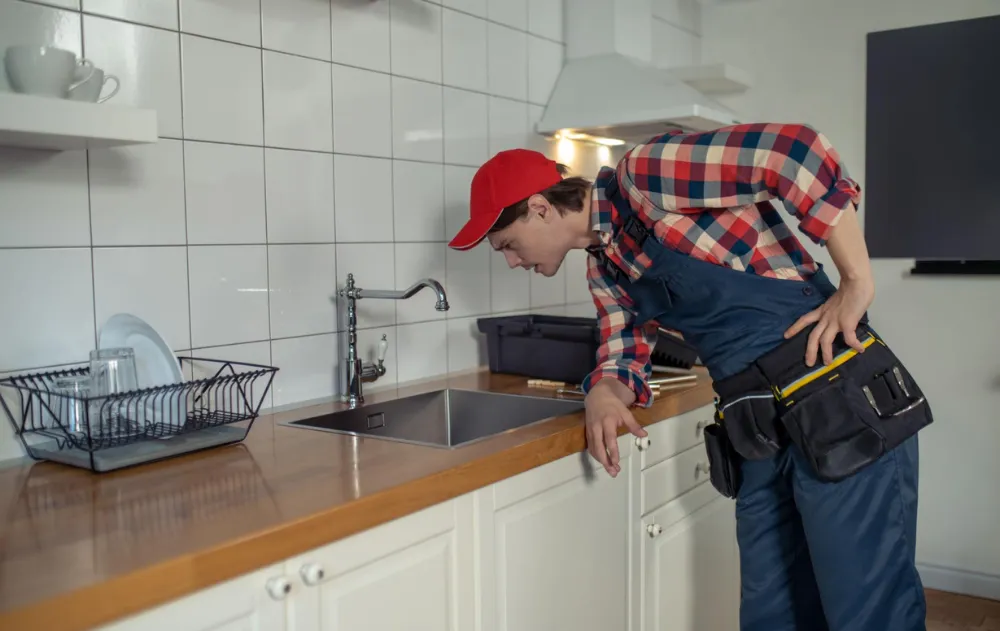
A new tap should work perfectly but if it leaks, the installation went wrong. Here’s why.
You install a brand-new tap expecting zero issues… then it starts dripping within hours or days.
That’s not bad luck, it’s almost always an installation mistake. Across Perth homes, we see this constantly. New taps leak not because they’re faulty, but because small errors during installation compromise the seal.
Most of these issues are completely avoidable when the job is done properly from the start. Here’s what’s actually going wrong.
1. Incorrect Cartridge or Washer Installation
Modern taps rely on internal components like cartridges and washers to regulate water flow and create a watertight seal. If these parts aren’t installed precisely, the tap simply won’t perform as intended.
Common issues include:
- Cartridge not seated correctly
- Washer misaligned, twisted, or damaged
- Incorrect size or incompatible component used
Even a slight misalignment can allow water to pass through the seal, causing a steady drip from the spout. This is one of the most common causes of leaking taps immediately after installation.
2. Over-Tightening or Under-Tightening Fittings
Tightening connections might seem straightforward, but it’s one of the easiest ways to cause a leak if done incorrectly.
What typically happens:
- Over-tightening damages threads or cracks internal components
- Seals become compressed unevenly and fail prematurely
- Under-tightening leaves small gaps where water can escape
These issues don’t always cause immediate leaks, sometimes they develop over a few days as water pressure builds and fittings settle.
3. Poor Use of Thread Tape (PTFE Tape)
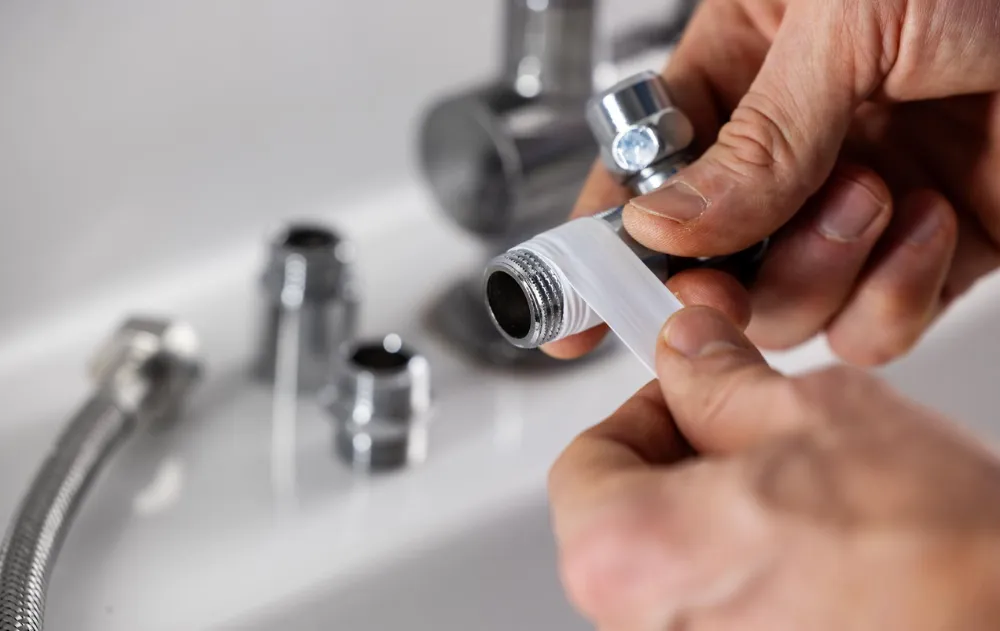
Thread tape is essential for sealing threaded plumbing connections, but it only works when applied correctly.
Typical mistakes include:
- Not using thread tape at all
- Wrapping it in the wrong direction
- Applying too little or excessive layers
Incorrect application prevents threads from sealing properly, allowing water to escape under pressure. Even if the connection feels tight, poor sealing will eventually result in leaks.
4. Misaligned Tap Installation
Alignment plays a bigger role than most people realise. A tap needs to sit correctly on the basin and line up properly with pipe connections underneath.
Problems caused by misalignment:
- Uneven pressure on seals and fittings
- Connections not sitting flush
- Gradual loosening over time
In many Perth homes especially older properties surfaces and pipework aren’t perfectly level, which makes alignment more challenging. If the tap isn’t installed straight and secure from the beginning, leaks are far more likely to develop.
5. Damaged O-Rings and Seals
O-rings and seals are critical for preventing water from escaping through joints and connections. However, they’re also one of the easiest components to damage during installation.
They’re commonly affected by:
- Forcing parts together without proper alignment
- Installing components without lubrication
- Scraping seals against sharp threads or edges
The issue is that damage isn’t always obvious straight away. The tap may appear to be working fine initially, only for leaks to develop once the system is under regular use.
6. Using the Wrong Tap for the System
Not all taps are designed for every plumbing setup. Choosing the wrong type can lead to immediate performance issues, including leaks.
Common mismatches include:
- High-pressure taps installed in low-pressure systems
- Incorrect connection sizes or thread types
- Incompatible fittings with existing pipework
Even if the tap physically fits, it doesn’t guarantee a proper seal or correct operation. Matching the tap to your system is just as important as installing it correctly.
7. Water Pressure Issues Being Ignored
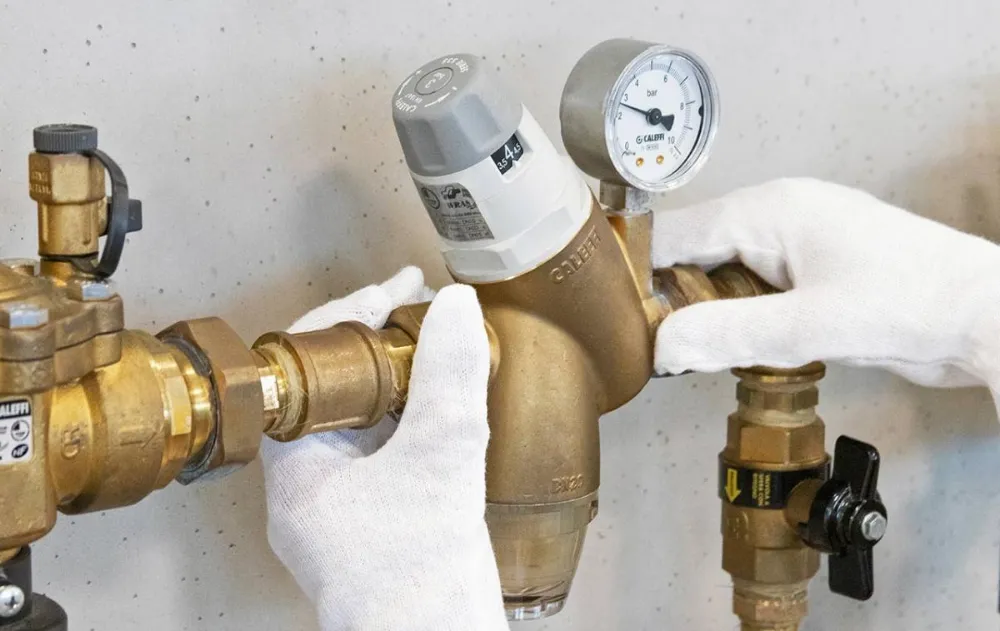
Sometimes the installation is done correctly but the system itself causes the problem.
Perth homes can experience fluctuating or high water pressure, which places stress on seals, fittings, and internal components.
Signs of pressure-related issues:
- Leaks appearing shortly after installation
- Excessive water flow or splashing
- Noise or vibration in pipes
If pressure is too high, even a properly installed tap can begin to leak. In these cases, installing a pressure-limiting valve is often necessary to protect the plumbing system.
How to Avoid a Leaking New Tap
Most new tap leaks come down to avoidable installation mistakes rather than faulty products.
To reduce the risk:
- Choose the correct tap for your plumbing system
- Follow manufacturer instructions carefully
- Apply thread tape correctly on threaded fittings
- Avoid over-tightening connections
- Ensure proper alignment before securing the tap
- Inspect all washers, cartridges, and O-rings before installation
Taking the time to get these steps right can prevent unnecessary leaks, repairs, and frustration later on.
Our Plumbing Services in Perth
Perth Local Plumbing provides reliable, compliant solutions across a wide range of residential plumbing needs. Whether it’s a leaking tap or a more complex issue, our licensed team is equipped to handle it properly.
Our services include:
- General plumbing maintenance and repairs
- Leak detection and repairs (internal and hidden leaks)
- Blocked drains and pipe clearing
- Hot water system repairs and installations
- Bathroom and kitchen plumbing upgrades
- Pipe repairs and replacements
- Water pressure testing and regulation
- Emergency plumbing callouts
All work is carried out by licensed professionals, ensuring your plumbing system meets Australian standards and performs reliably long-term.
FAQs
1. Why is my new tap leaking from the spout after installation?
A new tap leaking from the spout is usually caused by an incorrectly installed cartridge or washer. If these internal components aren’t seated properly, water can bypass the seal and cause a constant drip.
2. Can a brand-new tap be faulty or defective?
Yes, but it’s uncommon. Most new tap leaks are caused by installation errors rather than manufacturing defects. Issues like poor sealing, incorrect fittings, or pressure problems are far more likely.
3. Do you need thread tape on all tap connections?
No, thread tape (PTFE tape) is only required on threaded connections. Many modern taps use compression fittings or rubber seals, which don’t need tape to create a watertight seal.
4. Is it normal for a new tap to drip after installation?
No, it’s not normal. A properly installed tap should not leak or drip at all. Any sign of dripping usually indicates a problem with installation or internal components
5. Should I hire a licensed plumber to install a tap in Australia?
Yes, hiring a licensed plumber is recommended in Australia. It ensures the tap is installed correctly, complies with local plumbing standards, and helps prevent leaks or costly repairs later.
Final thoughts
The good news is that most of these problems are preventable and easy to fix when addressed early. If your new tap is already leaking, don’t wait for it to turn into a bigger issue.
Contact Perth Local Plumbing today or call us now for fast, reliable service anywhere in Perth. We’ll fix the problem properly so you don’t have to deal with it again.
