
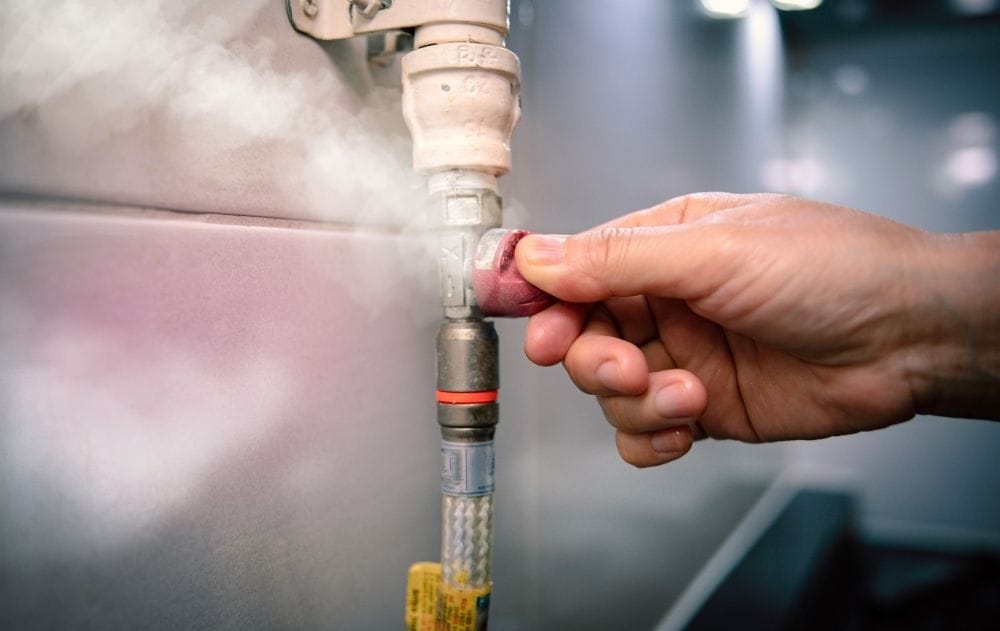
Your guide to identifying gas dangers early and protecting your home
Gas systems are safe when properly installed and maintained, but even a small leak can escalate into a life-threatening emergency. In Perth, most homes rely on gas for heating, cooking, and hot water—meaning recognising early warning signs is essential for your family’s safety.
Below, we break down the critical indicators of a gas leak, what to do if you suspect one, and why calling qualified plumbers licensed under Western Australia’s gas regulations is non-negotiable.
1. Unusual Smells Around Your Home or Gas Appliances
One of the most recognisable red flags is the strong, sulfur-like smell added to gas for easy detection. Because natural gas and LPG are odourless, suppliers infuse a chemical called mercaptan so you can immediately recognise danger.
If you smell this distinctive “rotten egg” scent near your heater, stovetop, hot water system, or meter box, treat it as an urgent hazard.
What to do immediately:
- Extinguish flames.
- Do not operate switches or electrical appliances.
- Open windows and doors to ventilate.
- Move people outside.
- Call a licensed gas fitter or emergency services.
Perth homeowners should never attempt DIY fixes, gas systems must comply with AS/NZS 5601 Gas Installations, which requires qualified professionals for repairs and Gas Appliance Installation.
2. Sudden Increase in Gas Bills Without Explanation
If your household usage has not changed but your gas bill has spiked, it may indicate an invisible leak in underground pipework, appliance connections, or inaccessible areas.
Common causes in WA homes include:
- Corroded copper pipes.
- Failing flexible hose connections (indoor hoses must be replaced every 5–10 years).
- Appliances operating inefficiently due to partial leaks.
A qualified technician using calibrated detection equipment mandated by WA gas safety requirements can confirm whether gas is escaping and provide compliant repairs.
3. Hissing or Whistling Noises From Pipework or Appliances

A clear sign of a leak is a faint or pronounced hissing sound, particularly near joints, flexible hoses, valves, or connections on cooktops and hot water units.
Gas under pressure will force itself out through even the smallest openings, and audible warning signs indicate an active escape of gas.
If you hear any noise from your system that is not normally present, shut off your gas supply at the meter if safe, and call a leak detection plumbing professional immediately.
4. Physical Symptoms When Indoors
Minor gas leaks can reduce oxygen levels or allow combustion by-products to accumulate, especially from faulty heaters. Exposure can cause:
- Dizziness
- Nausea
- Headaches
- Fatigue
- Shortness of breath
If these symptoms improve when you go outdoors, this is a major safety clue.
For appliances like unflued heaters, this can also indicate carbon monoxide risk, which is silent and deadly. Carbon monoxide testing must be performed by a licensed gas fitter in accordance with WA gas regulations.
5. Plants Dying or Discolouring Near Gas Lines
Gas escaping underground can replace oxygen in the soil, causing garden beds, lawns, or shrubs above your gas service to die in patches.
This sign is often overlooked, yet it is one of the most reliable indicators of an underground pipe issue.
If the dying vegetation follows the line between your gas meter and the house, call Perth plumbing services immediately to investigate.
6. Pilot Lights Constantly Going Out
Pilot lights are designed to remain steady. If yours repeatedly extinguishes:
- It may be starved of gas due to a leak,
- The thermocouple may be failing,
- Or the appliance may require immediate servicing due to incomplete combustion.
Under Australian Standards, appliances must maintain stable combustion to operate safely. A flickering flame is a warning that something is not working correctly.
Never ignore pilot light issues on:
- Gas hot water systems
- Gas heaters
- Older stovetops
- Gas fireplaces
A licensed gas fitter should inspect the appliance and verify safe operation.
7. Yellow or Lazy Burner Flames
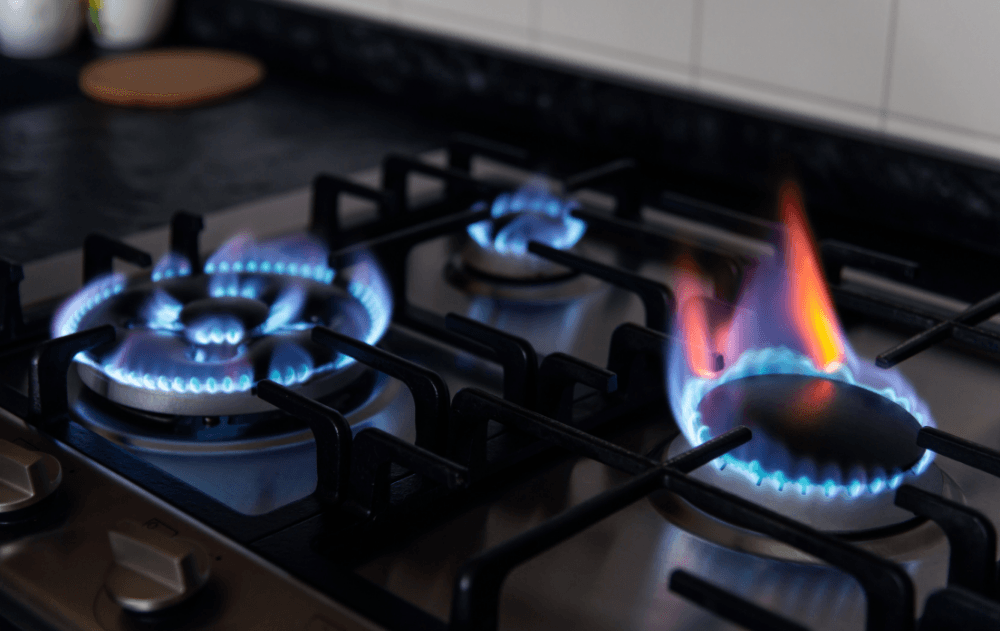
Gas appliances should display a clean, blue, stable flame. Yellow or orange flames indicate incomplete combustion, which can release harmful carbon monoxide and may signal:
- A partial blockage,
- Incorrect air-to-gas ratio,
- Failing components,
- Or a leak altering appliance performance.
If your flame is not bright blue, do not continue using the appliance. Shut it off and book a qualified fitter for assessment.
8. Damage, Corrosion, or Wear on Gas Pipework
Over time, Perth’s coastal air and soil conditions can accelerate corrosion on outdoor pipework. You should never see:
- Cracks
- Discolouration
- Rust
- Bent or damaged piping
- Perished or bulging flexible hoses
Gas installations must remain structurally sound and compliant at all times. Any visible wear should be assessed professionally.
What to Do If You Suspect a Gas Leak
- Do not use electrical devices or create sparks.
- Turn off gas at the meter only if safe.
- Open windows and doors.
- Evacuate the property.
- Call a licensed gas fitter or emergency services if danger is immediate.
- Arrange urgent inspection and compliance repairs.
All work must comply with:
- AS/NZS 5601 Gas Installations
- WA Gas Standards (Gasfitting and Consumer Gas Installations) Regulations
- Relevant manufacturer instructions
Services We Provide
Perth Local Plumbing offers fully licensed gasfitting and compliance services, including:
- Emergency gas leak detection and repairs
- Safe and compliant Gas Appliance Installation
- System upgrades and replacements
- Compliance testing and certification
- Comprehensive leak detection services
- General and specialist plumbing services
Our team uses advanced detection technology, follows all Australian Standards, and ensures your home remains safe, efficient, and fully compliant.
FAQs
1. How dangerous is a small gas leak?
Even minor leaks can displace oxygen, increase fire risk, or cause carbon monoxide issues. Treat every leak as serious.
2. Can I check for a leak myself?
You may visually inspect, but you must not touch or test gas fittings. Only licensed gas fitters are legally permitted to diagnose or repair leaks.
3. How often should gas appliances be serviced?
Manufacturers generally recommend every 1–2 years, but older appliances may need more frequent checks.
4. What if my gas meter is making noise?
A quiet hum is normal, but hissing or whistling indicates a possible leak and requires urgent professional attention.
5. Do underground gas leaks happen often?
They are less common but can occur due to soil movement, corrosion, or aging infrastructure.
Final Thoughts
Gas leaks are not just inconveniences—they are serious, potentially life-threatening hazards. Recognising early warning signs and acting quickly can protect your family, property, and peace of mind.
If you suspect a leak or want a professional safety check, contact Perth Local Plumbing and Gas for trusted, fully licensed gasfitting and emergency support.