
A hot water system can develop a leak without causing an obvious problem straight away. You may notice a small amount of water around the unit, dampness near a connection, or a gradual increase in your water usage before the leak becomes more noticeable.
Knowing what to look for can help you recognise a potential leak early and prevent a small plumbing issue from causing unnecessary water damage.
Here are some of the common signs that your hot water system may be leaking.
1. Water Pooling Around the Hot Water System
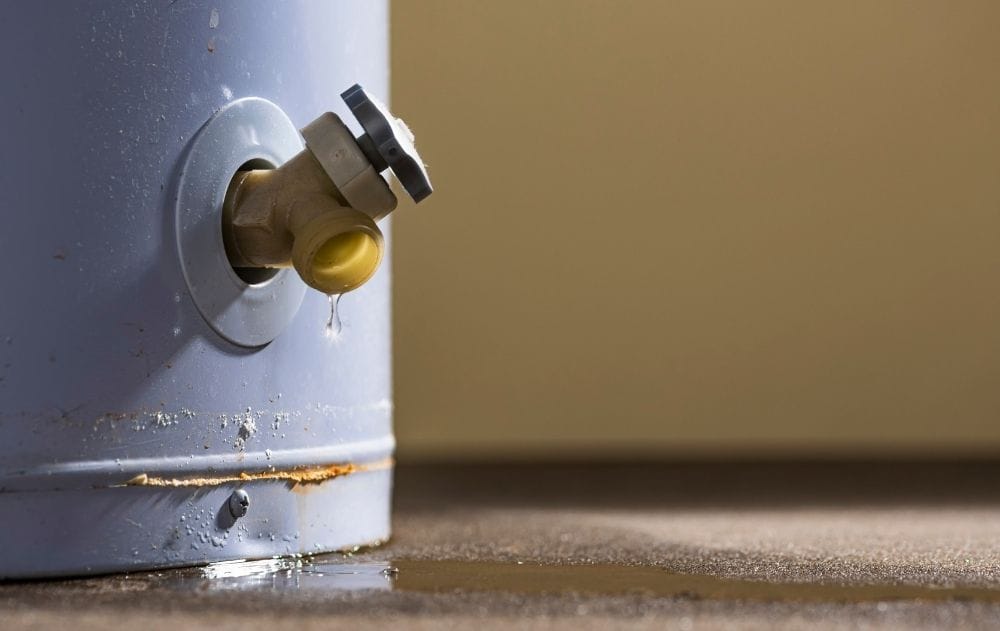
One of the clearest warning signs is water collecting around the base of the hot water unit.
A small puddle may come from a leaking connection, valve, pipe or another component. However, if water continues to appear after the area has been dried, there may be an ongoing leak.
Pay attention to:
- Water pooling around the base of the unit
- Damp ground or flooring
- Water appearing after the system has been used
- Moisture returning after you have dried the area
Do not assume that a small puddle is harmless. The location of the water can provide a useful clue about where the problem may be coming from.
2. Dampness Around Pipes and Connections
Not every hot water leak produces enough water to form a puddle.
Small leaks can develop around pipe connections, valves and fittings. You may only notice slight dampness, water marks or drops of water around the plumbing connected to the system.
Look for:
- Damp pipework
- Water droplets around fittings
- Moisture around valves
- Staining or discolouration
- Corrosion around connections
If an area remains damp when it should be dry, it is worth investigating rather than simply wiping it away.
3. Water Appearing From the Tank
If water appears to be coming directly from the hot water tank, the situation can be more serious.
A storage tank can develop problems as it ages, including corrosion or deterioration that may eventually allow water to escape.
If you notice water coming from the body or lower section of the tank rather than from an external connection, avoid assuming that tightening a fitting will solve the problem.
The source needs to be identified before you know whether the issue involves a connection, valve or the tank itself.
4. Rust or Corrosion Around the Unit
Rust does not necessarily mean that the hot water system itself is leaking, but visible corrosion can be an important warning sign when combined with moisture.
Check for:
- Rust around the base of the tank
- Corroded pipe connections
- Rust marks beneath fittings
- Deteriorating metal components
- Discolouration where water has been sitting
If corrosion is concentrated around a consistently damp area, there may be an underlying water leak contributing to the damage.
5. Water Discharging From a Valve
Hot water systems have valves designed to manage pressure and temperature.
Occasional discharge can occur as part of normal operation, depending on the system and conditions. However, continuous or excessive water discharge should not simply be ignored.
If you notice water regularly coming from a valve or discharge pipe, take note of:
- How frequently it happens
- Whether the discharge is continuous
- Whether there is visible water around the unit
- Whether the problem appears to be getting worse
A plumbing professional can determine whether the discharge is expected or indicates a fault that needs attention.
6. Your Water Usage Has Increased Without Explanation
A leak does not always announce itself with visible water.
If your household’s water use has remained relatively consistent but your water consumption suddenly increases, a plumbing leak could be one possible explanation.
This is particularly worth investigating when an increase in water usage occurs alongside:
- Dampness around the hot water system
- Water pooling
- Dripping pipe connections
- Other unexplained moisture
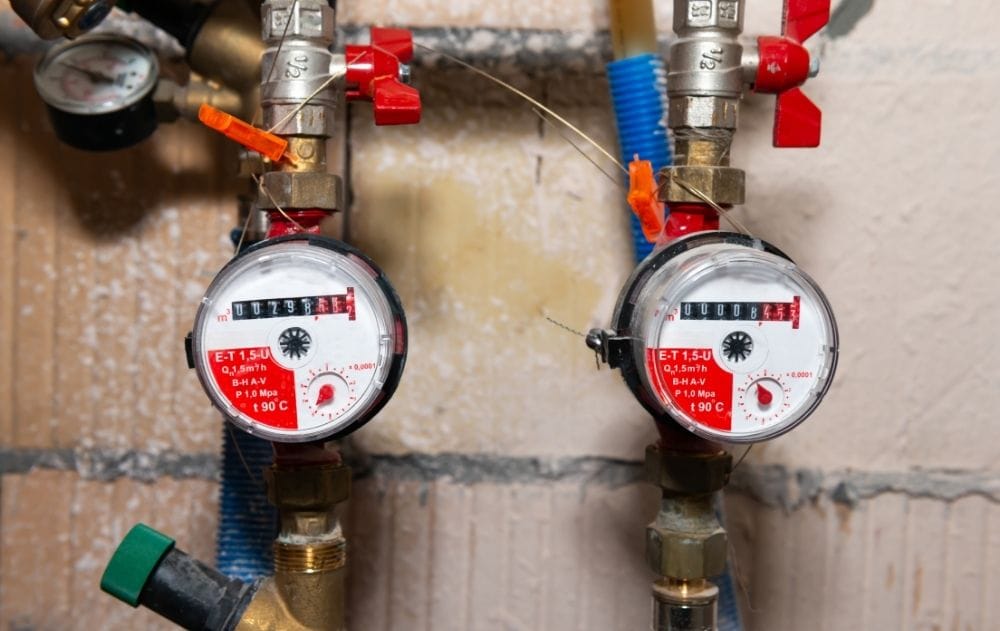
A water meter can help indicate that water is being used somewhere when it should not be, although it cannot identify the exact source of the leak.
7. Damp or Damaged Areas Near the System
Water escaping from a hot water system may affect the surrounding area before the source becomes obvious.
Depending on where the system is installed, look for:
- Damp flooring
- Water stains
- Swollen materials
- Discolouration
- Persistent moisture
- Signs of water damage around nearby surfaces
The longer water remains in contact with building materials, the greater the potential for damage.
Can a Small Hot Water Leak Become a Bigger Problem?
It can.
A small leak may initially appear to be little more than a few drops of water. But if the source continues leaking, the amount of water escaping can increase over time.
Ongoing leaks can contribute to:
- Water wastage
- Damage to surrounding materials
- Corrosion
- Deterioration of fittings
- More extensive plumbing problems
The important point is not to judge a leak only by how much water you can see. A small visible leak can sometimes be an indication of a larger underlying issue.
What Should You Do If Your Hot Water System Is Leaking?
If you notice water around your hot water system, start by observing where the water appears to be coming from.
If it is safe to do so:
- Keep people away from the affected area.
- Avoid touching electrical components or wet electrical connections.
- Take note of where the water is coming from.
- If the leak is significant, limit water use where practical.
- Arrange for the system to be assessed if the leak continues or the source is unclear.
Do not dismantle the hot water system or attempt to repair valves, electrical components or pressurised parts yourself.
Does a Leaking Hot Water System Always Need to Be Replaced?
No.
A leak does not automatically mean the entire hot water system needs replacing.
The cause may be a connection, valve, fitting or another component that can potentially be repaired. In other situations, particularly where the tank or system has deteriorated significantly, replacement may be considered.
The appropriate solution depends on the source of the leak, the condition of the system and the extent of the problem.
Final Thoughts
Water around your hot water system should not automatically be dismissed as condensation or a minor issue.
Pooling water, damp connections, corrosion, unexplained water usage and repeated discharge from valves can all be reasons to investigate further.
Spotting these signs early can help you understand when something may not be right and prevent a developing leak from causing unnecessary damage.
Frequently Asked Questions
1. How do I know if my hot water system is leaking?
Look for water pooling around the unit, damp pipe connections, dripping fittings, corrosion, unexplained water usage or repeated water discharge from a valve.
2. Is a small hot water system leak serious?
A small leak may not cause immediate damage, but if it continues, it can waste water and potentially damage the surrounding area. It is worth identifying the source rather than ignoring it.
3. Why is there water around the bottom of my hot water system?
Water around the base can come from a leaking connection, valve, pipework or the tank itself. The location of the water can provide a clue, but the source may require professional assessment.
4. Can a leaking hot water system be repaired?
It depends on what is causing the leak. Some leaks may involve a replaceable fitting, valve or connection, while a severely deteriorated tank or system may require a different solution.
