
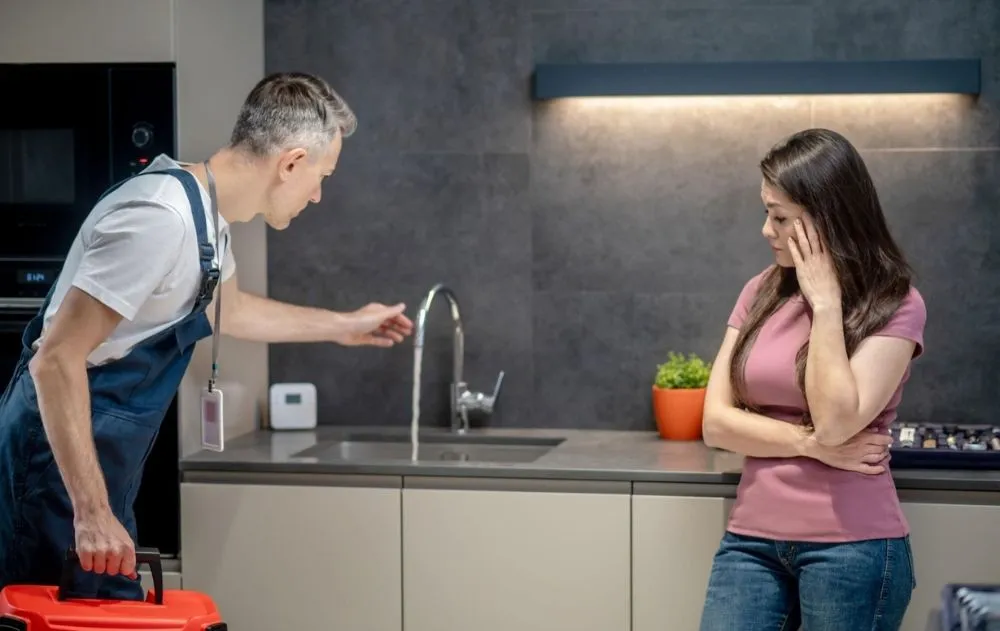
Knowing the Difference Can Save You Time, Money, and Costly Repairs
When a plumbing problem appears, many homeowners ask the same question: Can I fix this myself, or do I need to call a plumber?
For simple issues, a DIY solution may be all that’s needed. However, attempting to repair more complex plumbing problems without the right tools or experience can sometimes make the situation worse, leading to water damage, higher repair costs, or even safety risks.
Understanding which plumbing jobs are suitable for DIY and which should always be left to a licensed plumber can help you make the right decision.
1. Safe DIY Plumbing Jobs
Some basic plumbing tasks can usually be handled by homeowners without specialised equipment, provided they follow the manufacturer’s instructions and take appropriate safety precautions.
These include:
- Cleaning a shower head to improve water flow
- Removing hair from a bathroom drain trap
- Tightening a loose tap handle
- Replacing a shower hose
- Cleaning sink strainers and drain covers
These small maintenance tasks help keep your plumbing system working efficiently and can often be completed using basic household tools.
However, if the problem continues after the repair, it’s usually a sign that a more serious issue may be present.
2. DIY Jobs That Need Extra Caution
Some plumbing problems may appear straightforward but can quickly become more complicated if the underlying cause isn’t properly identified.
These include:
- Replacing a tap washer
- Attempting to clear blocked drains
- Adjusting toilet cistern components
- Installing new tapware
- Fixing low water pressure
While experienced DIY homeowners may successfully complete some of these jobs, incorrect repairs can lead to leaks, damaged fittings, or ongoing plumbing issues.
If the problem doesn’t improve after a reasonable attempt, it’s generally more cost-effective to arrange a professional inspection rather than continuing with trial-and-error repairs.
3. Burst Pipes Should Never Be a DIY Repair
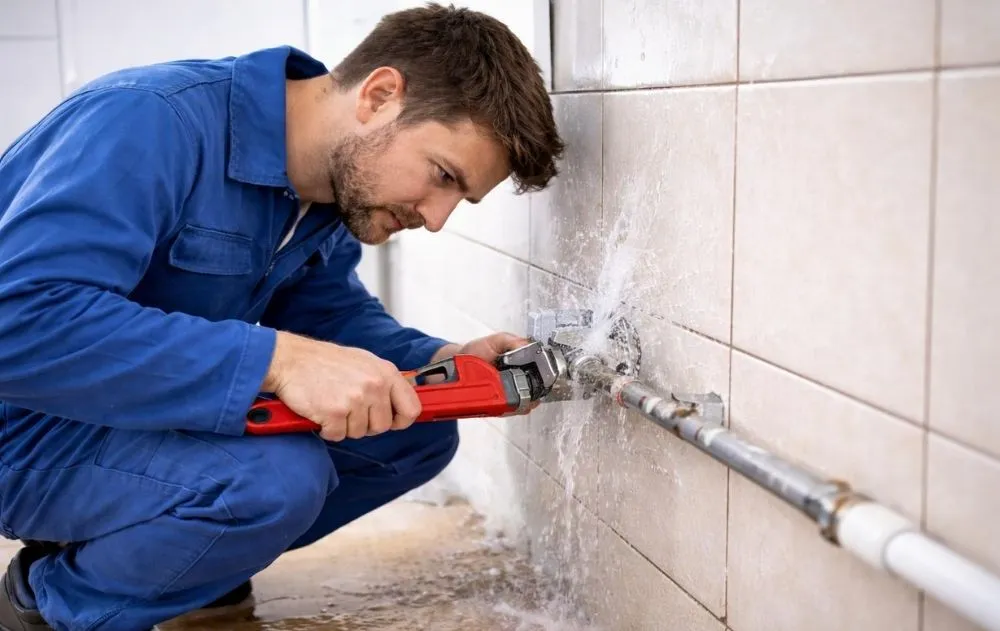
A burst pipe can release large amounts of water within minutes, causing significant damage to flooring, walls, furniture, and electrical systems.
If a pipe bursts:
- Turn off the main water supply.
- If safe, switch off electricity to affected areas.
- Move valuable belongings away from the leak.
- Contact a licensed plumber immediately.
Temporary fixes may slow the leak, but permanent repairs should always be carried out by an experienced plumber.
4. Gas Plumbing Should Always Be Left to Licensed Professionals
Gas systems require specialist knowledge and must only be installed, repaired, or modified by qualified gas fitters.
Never attempt DIY repairs involving:
- Gas cooktops
- Gas heaters
- Gas hot water systems
- Gas pipework
- Gas appliance connections
If you notice a gas smell, a yellow flame instead of blue, or suspect a gas leak, leave the area if necessary and contact a qualified gas fitter as soon as possible.
5. Hidden Leaks Often Require Professional Detection
Not all plumbing leaks are visible.
Water may be escaping behind walls, beneath floors, or inside ceilings long before any obvious damage appears.
Signs that may indicate a hidden leak include:
- Unexpected increases in your water bill
- Damp smells
- Water stains
- Mould returning after cleaning
- Bubbling paint or peeling walls
Professional leak detection equipment allows plumbers to locate hidden leaks without unnecessary damage to your property.
6. Hot Water System Problems Usually Need Professional Repairs
A lack of hot water doesn’t always mean the entire system needs replacing.
However, diagnosing faults safely often requires specialist knowledge.
Professional assessment is recommended if:
- The system is leaking
- Water isn’t heating properly
- The unit is making unusual noises
- Water temperature keeps changing
- The pilot light won’t stay lit
Attempting to repair hot water systems yourself may create additional risks, particularly for gas or electric units.
7. Recurring Blocked Drains Need More Than a DIY Solution
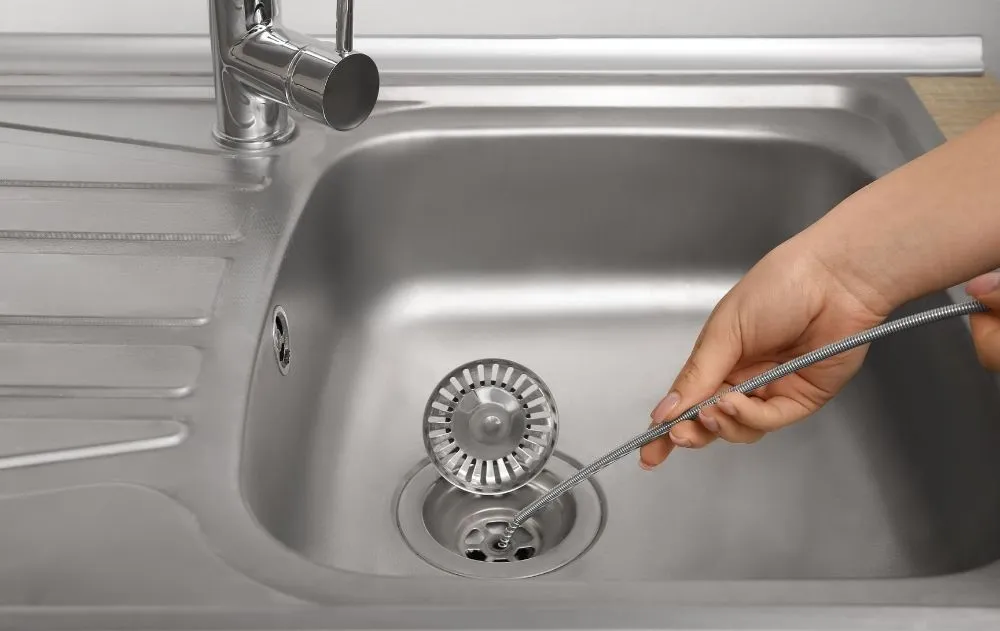
Using a plunger may help with a minor blockage, but if the same drain keeps blocking, the underlying problem may still be present.
Recurring blockages can result from:
- Tree root intrusion
- Grease build-up
- Damaged pipes
- Collapsed drains
- Sewer line issues
Professional drain inspections can identify the root cause rather than simply treating the symptom.
8. Know When to Stop DIY Repairs
One of the most valuable skills for homeowners isn’t knowing how to fix every plumbing problem—it’s knowing when to stop.
If you’ve already attempted a repair and the issue keeps returning, continuing to experiment may increase repair costs.
It’s time to call a plumber if:
- The same problem keeps coming back.
- Water is leaking inside walls or ceilings.
- You suspect a gas-related issue.
- Water pressure changes suddenly.
- You have no hot water.
- You don’t know where the leak is coming from.
Early intervention can often prevent a minor issue from becoming a major repair.
Why Calling a Plumber Early Can Save Money
Many homeowners delay calling a plumber in the hope that a small issue will resolve itself or remain manageable. Unfortunately, plumbing problems rarely improve without intervention.
A small leak can develop into water damage, a partially blocked drain can become a complete blockage, and a minor hot water fault can lead to complete system failure.
Having a qualified plumber inspect the issue early often reduces repair costs and helps avoid unnecessary damage to your property.
Plumbing Services We Provide Across Perth
At Perth Local Plumbing & Gas, we help homeowners with everything from everyday plumbing repairs to emergency call-outs across Perth.
Our services include:
- General plumbing repairs
- Leak detection
- Blocked drain services
- Hot water system repairs and replacements
- Gas fitting services
- Burst pipe repairs
- Tap and toilet repairs
- Emergency plumbing services
Whether you’re dealing with a small plumbing issue or a more complex problem, our experienced plumbers can provide practical advice and reliable solutions.
FAQs
1. Which plumbing jobs can I safely do myself?
Basic maintenance tasks such as cleaning shower heads, clearing hair from drain traps, or tightening loose tap handles are generally suitable for DIY.
2. What plumbing repairs should never be DIY?
Gas fitting, burst pipe repairs, hidden leak detection, sewer repairs, and major hot water system repairs should always be handled by a licensed plumber.
3. When should I stop trying to fix a plumbing problem myself?
If the issue keeps returning, becomes worse, or involves hidden leaks, gas, or significant water damage, it’s best to arrange a professional inspection.
4. Can DIY plumbing make the problem worse?
Yes. Incorrect repairs can damage plumbing fixtures, increase water leaks, or make future repairs more expensive.
5. Is it cheaper to call a plumber early?
In many cases, yes. Addressing plumbing issues early can prevent more extensive damage and reduce the overall cost of repairs.
Final thoughts
If you’re unsure whether a plumbing problem can be safely fixed yourself, contact Perth Local Plumbing & Gas for professional advice and reliable plumbing services across Perth.
