
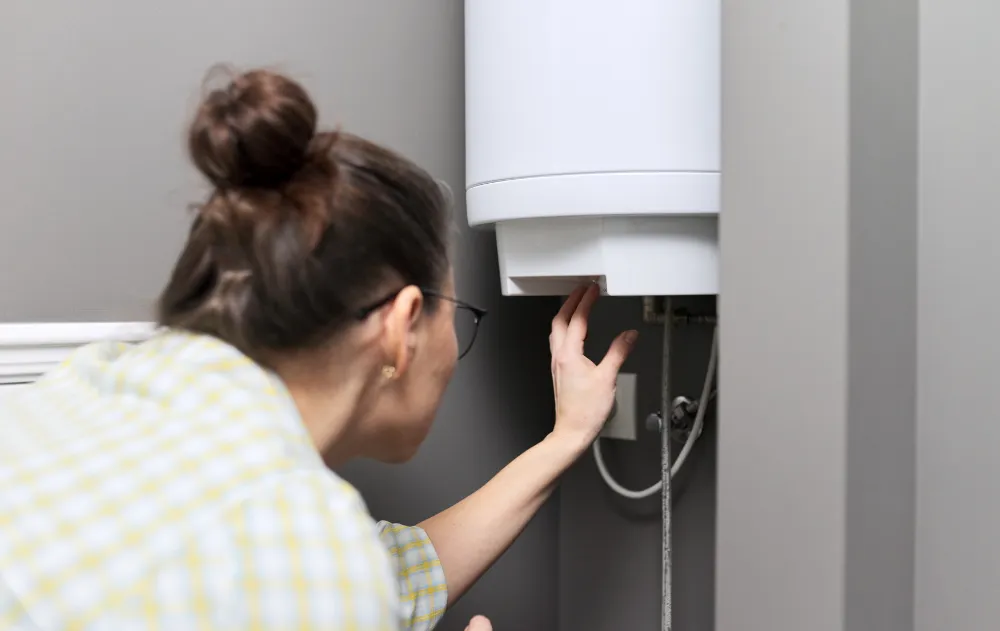
Understanding why ageing hot water systems in older Joondalup homes often struggle with modern household demand.
Older homes across Joondalup often come with ageing plumbing systems and hot water units that have been operating for many years. While many of these systems continue working day to day, older hot water systems can gradually become less efficient, more expensive to run, and increasingly prone to breakdowns over time.
From inconsistent hot water and rising energy bills to leaking tanks and reduced water pressure, many homeowners begin noticing signs that their existing system may no longer suit modern household needs. Understanding what causes these issues and when an upgrade may be worth considering can help homeowners avoid unexpected breakdowns and ongoing performance problems.
1. Why Older Hot Water Systems Become Less Efficient
Many older homes still rely on ageing electric or gas storage systems that may struggle to meet modern household demands. Over time, internal components wear down, sediment can build up inside tanks, and heating performance can decline.
Common signs of an ageing hot water system include:
- Inconsistent water temperature
- Reduced hot water capacity
- Rust-coloured water
- Leaks around the unit
- Rising energy bills
- Unusual noises from the tank
- Slower hot water recovery times
While some issues can be repaired, older systems approaching the end of their lifespan may become increasingly costly to maintain.
2. How Household Water Usage Has Changed in Joondalup Homes
Many Joondalup homes were originally designed for smaller households and lower daily water usage. Over time, renovations, growing families, additional bathrooms, and modern appliances can place greater demand on older hot water systems.
A system that once suited the property may now struggle to keep up with:
- Multiple showers running at once
- Larger family households
- Increased appliance usage
- Higher daily hot water demand
In many cases, homeowners choose to upgrade to larger storage systems or continuous flow units better suited to modern residential living.
3. Can Older Plumbing Infrastructure Affect Hot Water Performance?
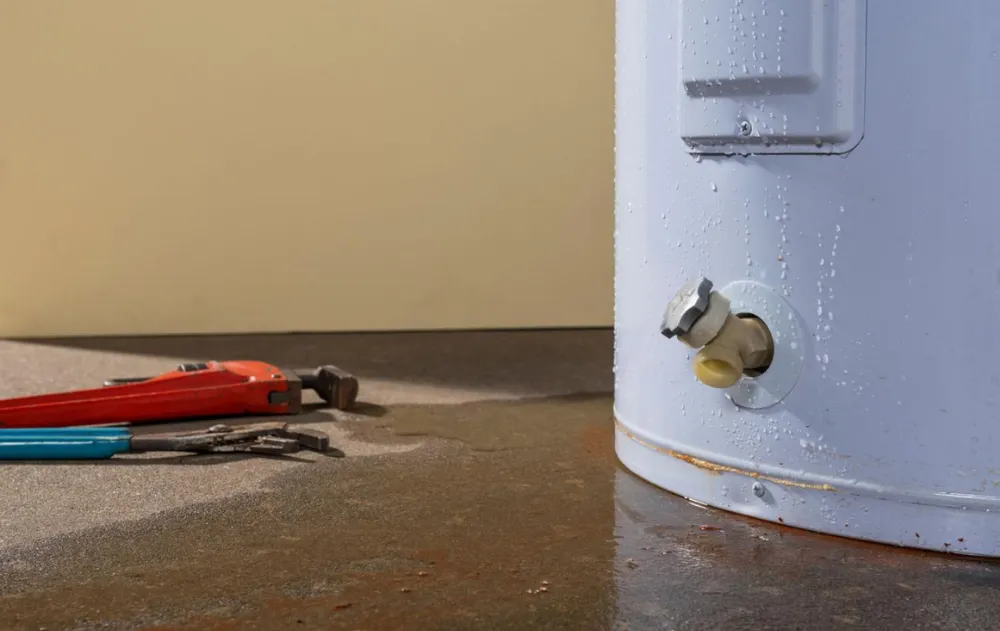
In some older Joondalup homes, ageing pipework and plumbing components can also affect overall hot water system performance. Pressure inconsistencies, corrosion, worn valves, and ageing connections may contribute to:
- Reduced hot water pressure
- Uneven water temperatures
- Ongoing plumbing issues
- Lower system efficiency
When replacing a hot water system, plumbers often assess surrounding plumbing components to ensure the upgraded system performs correctly.
4. Why Running Costs Often Increase With Older Systems
Older hot water systems may consume more energy as components wear down and efficiency declines. Heating elements, thermostats, insulation, and tank condition can all affect ongoing operating costs.
For homeowners planning long-term upgrades, replacing an ageing system with a newer gas, electric, or continuous flow unit may help improve efficiency and reduce ongoing running expenses depending on the household setup.
5. What Type of Hot Water System Suits Older Homes?
Not every residential property requires the same hot water solution. Factors such as household size, available space, water usage habits, and fuel type can all influence which system is best suited to the home.
Common residential hot water system options include:
- Electric hot water systems
- Gas hot water systems
- Storage hot water systems
- Continuous flow systems
The most suitable system depends on how the household uses hot water day to day, along with the condition of the existing plumbing infrastructure.
6. When Should You Consider Upgrading Your Hot Water System?
Many homeowners begin considering an upgrade when:
- The system is over 10–15 years old
- Repairs become more frequent
- Hot water supply becomes inconsistent
- Energy bills continue increasing
- The unit no longer meets household demand
- Leaks or corrosion begin appearing around the tank
Planning a replacement before a complete breakdown can help avoid emergency plumbing situations and unexpected loss of hot water.
Plumbing Services We Provide Across Perth
If you’re dealing with plumbing issues at home or planning upgrades to improve everyday water usage, professional plumbing support can help keep your systems operating efficiently and reliably.
At Perth Local Plumbing & Gas, we provide a wide range of residential plumbing services across Joondalup and surrounding Perth suburbs, including:
- Residential hot water system repairs, servicing, replacements, and installations
- Emergency plumbing support for burst pipes, leaks, and urgent plumbing issues
- Blocked drain clearing for sinks, showers, toilets, and stormwater drains
- Gas fitting services including appliance connections and gas hot water systems
- Leak detection for hidden water leaks and underground pipework
- General plumbing repairs, pipe replacements, and water pressure issues
- Water filtration system installation and servicing
- Preventative plumbing maintenance and residential plumbing inspections
Our team works with homeowners across Perth to provide practical plumbing solutions suited to everyday household needs and long-term system performance.
FAQs
1. How can small plumbing fixes improve water efficiency?
Small fixes like repairing leaking taps, replacing worn seals, and upgrading fixtures help reduce unnecessary water flow. Over time, these minor improvements can significantly lower water waste and improve overall system efficiency.
2. Do leaking taps really waste a lot of water?
Yes. Even a slow drip can waste hundreds of litres over time. If left unchecked, this not only increases water bills but also adds continuous strain on plumbing components.
3. Are water-efficient fixtures worth installing?
Yes. Water-efficient fixtures are designed to reduce water usage without affecting performance. They help lower consumption while maintaining consistent pressure for everyday use.
4. Can plumbing maintenance help reduce water bills?
Yes. Regular maintenance helps identify leaks, improve fixture performance, and maintain proper water pressure, all of which contribute to reducing unnecessary water usage.
5. When should I call a plumber for water efficiency issues?
If you notice recurring leaks, sudden increases in water bills, or ongoing plumbing issues, it’s best to have a professional inspect the system and identify the cause early.
Final thoughts
By addressing small plumbing issues early and working with an experienced Perth local plumber, homeowners can reduce water waste, improve plumbing efficiency, and help maintain reliable water systems throughout the home.
