
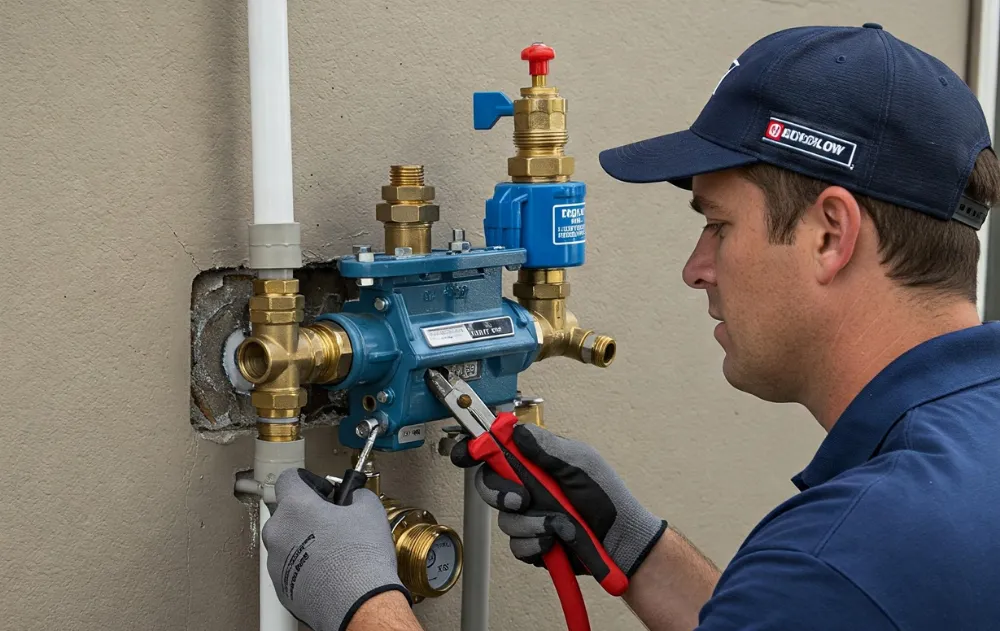
Could Your Property Be at Risk Without You Realising?
Most property owners rarely think about their plumbing system beyond taps, toilets and drains. However, there’s one important component that often goes unnoticed until a plumber or water authority mentions it—a backflow prevention device.
These devices help protect your drinking water from contamination if water flows in the wrong direction through your plumbing system. While not every property requires one, certain plumbing setups and property features may increase the risk of backflow and make a prevention device necessary.
So, how do you know if your property may need one? Here are some of the most common signs.
1. Your Property Has an Irrigation or Reticulation System
Automatic irrigation systems are one of the most common reasons a property may require backflow protection.
Garden sprinklers, reticulation systems and underground irrigation pipes can come into contact with fertilisers, pesticides, soil and stagnant water. If water pressure suddenly changes, contaminated water could potentially flow back towards the drinking water supply.
Properties with:
- Automatic reticulation systems
- Garden irrigation
- Drip irrigation
- Lawn sprinkler systems
may require a backflow prevention device depending on how the system is connected.
If you’re installing or upgrading an irrigation system, it’s worth asking your plumber whether backflow protection is required.
2. You Use Alternative Water Sources
Many Perth properties now use rainwater tanks or bore water to reduce water consumption. While these systems offer environmental and cost-saving benefits, they also require careful plumbing design.
If alternative water sources are connected to your property’s plumbing, there must be safeguards that prevent non-potable water from mixing with the mains drinking water supply.
Examples include:
- Rainwater tanks
- Bore water systems
- Recycled water systems
- Greywater systems
A licensed plumber can assess whether your plumbing system requires additional backflow protection.
3. You Own or Manage a Commercial Property
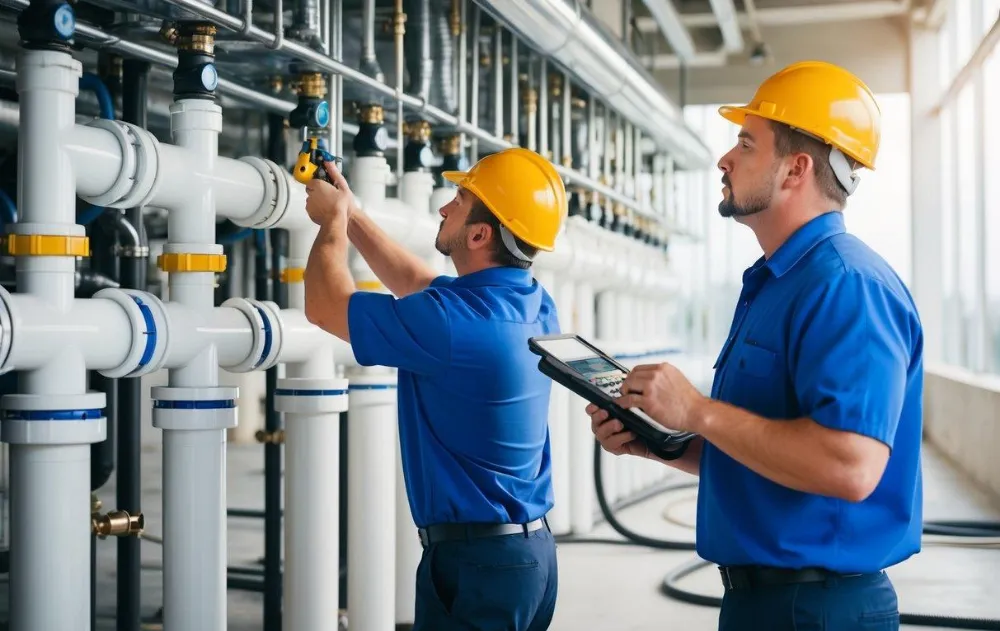
Commercial buildings generally present a higher backflow risk than residential homes because they often use specialised plumbing equipment or processes.
Properties that commonly require backflow protection include:
- Restaurants and cafés
- Medical centres
- Dental clinics
- Childcare centres
- Schools
- Factories
- Warehouses
- Workshops
- Car washes
- Shopping centres
Many commercial properties are required to install and maintain approved backflow prevention devices as part of their plumbing compliance obligations.
4. Your Property Has Fire Protection Systems
Fire sprinkler systems and hydrants are permanently connected to a building’s water supply.
Because water can remain stagnant inside these systems for extended periods, they may create a potential cross-connection between potable and non-potable water if appropriate backflow protection isn’t installed.
Many commercial and multi-storey buildings include dedicated backflow prevention devices as part of their fire protection infrastructure.
5. You’ve Received a Notice from Your Water Provider
One of the clearest indicators that your property may need a backflow prevention device is receiving a notification from your local water provider.
These notices are typically issued after a property has been assessed as having a medium or high hazard plumbing connection.
The notice may advise you to:
- Install a backflow prevention device
- Arrange annual testing
- Upgrade an existing device
- Submit compliance documentation
If you’ve received this type of notification, it’s important to arrange an inspection with a licensed plumber.
6. You’re Renovating or Installing New Plumbing
Renovations can change the way water moves through your plumbing system.
Installing certain plumbing fixtures or equipment may alter your property’s hazard rating and create the need for additional backflow protection.
Examples include:
- Commercial kitchen equipment
- New irrigation systems
- Water filtration systems
- Industrial machinery
- Swimming pool equipment
- New water connections
A plumber can determine whether your renovation requires backflow prevention as part of the installation.
7. You’re Unsure Whether a Backflow Prevention Device Is Already Installed
Many property owners simply don’t know whether their property already has a backflow prevention device.
Unlike taps or hot water systems, these devices are often installed near the property’s water meter or within plumbing infrastructure that isn’t inspected regularly.
If you’re unsure:
- Check previous plumbing reports.
- Ask your strata manager or property manager.
- Review documentation from previous plumbing work.
- Arrange a professional plumbing inspection.
Knowing what’s already installed can help avoid compliance issues and ensure your water supply remains protected.
Why Backflow Prevention Matters
Backflow prevention isn’t just about complying with plumbing regulations—it helps protect drinking water from contamination.
Without the appropriate safeguards, contaminated water from irrigation systems, fire services, commercial equipment or alternative water sources could potentially enter the potable water supply if pressure conditions change.
A properly installed and maintained backflow prevention device helps:
- Protect drinking water quality
- Reduce contamination risks
- Protect public water supplies
- Support plumbing compliance
- Provide peace of mind for property owners
Preventing contamination is always safer and more cost-effective than dealing with the consequences after it occurs.
When Should You Arrange a Plumbing Inspection?
You don’t need to wait until you receive a compliance notice to have your plumbing assessed.
It’s worth speaking with a licensed plumber if:
- You’re installing irrigation or reticulation.
- You’re renovating your property.
- You own or manage a commercial building.
- Your property uses alternative water sources.
- You’ve received advice from your water provider.
- You’re unsure whether a backflow prevention device is installed.
A professional inspection can determine whether your plumbing system requires backflow protection and ensure it meets applicable plumbing requirements.
Our Plumbing Services Across Perth
At Perth Local Plumbing & Gas, we provide reliable plumbing solutions for residential and commercial properties across Perth, including:
- General plumbing repairs and maintenance
- Backflow prevention device installation, testing and maintenance
- Leak detection services
- Blocked drain
- Hot water system repairs, servicing and replacements
- Gas fitting and gas appliance installations
- Burst pipe repairs
- Tap, toilet and fixture repairs
- Water filtration system installation
- Emergency plumbing services
- Commercial plumbing maintenance
- Plumbing inspections and compliance checks
FAQs
1. Do all homes need a backflow prevention device?
No. Not every home requires a backflow prevention device. Whether one is needed depends on your property’s plumbing system, water connections, and the potential risk of contaminated water flowing back into the drinking water supply.
2. What types of properties usually need a backflow prevention device?
Properties with irrigation systems, bore water, rainwater tanks connected to plumbing, fire protection systems, or commercial plumbing installations are more likely to require a backflow prevention device. A licensed plumber can assess your property’s requirements.
3. How do I know if my property has a backflow prevention device?
Backflow prevention devices are commonly installed near the water meter or where the main water supply enters the property. If you’re unsure, a licensed plumber can inspect your plumbing system and confirm whether one is installed.
4. Can I install a backflow prevention device myself?
No. A backflow prevention device should only be installed by a licensed plumber to ensure it complies with Australian plumbing standards and local water authority requirements.
5. How often should a backflow prevention device be tested?
Testing requirements vary depending on the type of backflow prevention device and local regulations. Many commercial properties require annual testing, while some residential properties may not. A licensed plumber can advise on the appropriate testing schedule.
Final thoughts
Not sure if your property needs a backflow prevention device? Contact Perth Local Plumbing & Gas today to arrange a professional plumbing inspection.
