
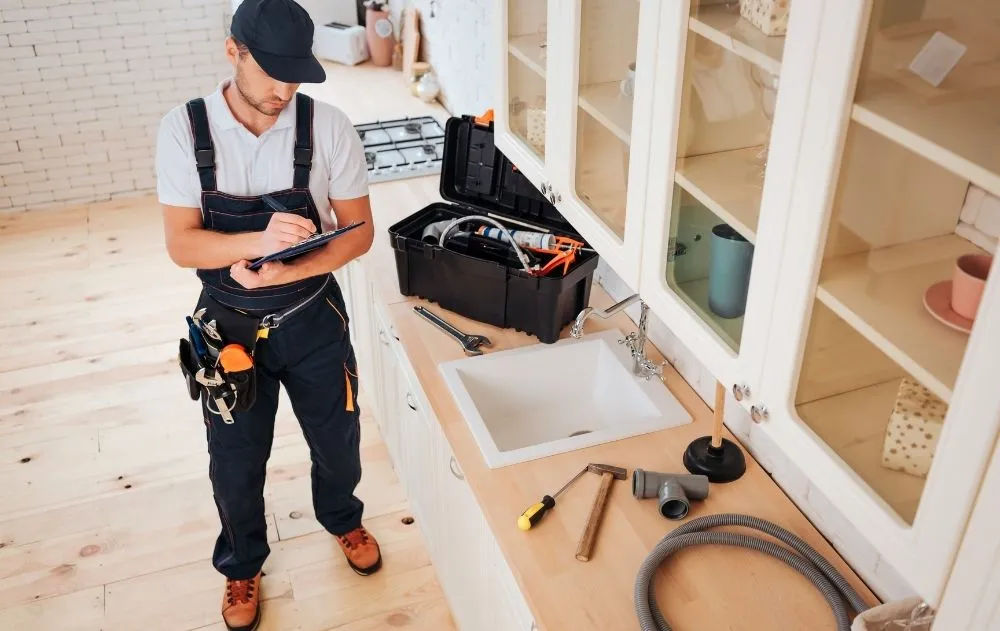
Before finalising your new kitchen layout, it’s worth thinking about what needs to change behind the cabinets as well.
A kitchen renovation is often driven by how you want the space to work. You might want to move the sink, put the dishwasher somewhere more convenient, add an island or change the position of the cooktop. Those decisions can affect the plumbing and gas services already in your home.
Some changes may be relatively simple. Others can involve more work depending on where the existing pipes are located, how the drainage runs and how easy those services are to access. This can vary between Perth homes, particularly where older properties have been renovated or altered over the years.
Before locking in the layout, here are the main plumbing considerations to keep in mind.
What Are You Actually Moving?
Start with your proposed kitchen layout and compare it with what is already there.
Are you moving:
- The kitchen sink?
- The dishwasher?
- A sink or dishwasher into a kitchen island?
- A gas cooktop?
- A refrigerator that requires a water connection?
Each change can affect different services. A sink may require changes to both water supply and drainage. A dishwasher needs suitable water and drainage connections. Moving a gas cooktop may involve alterations to the existing gas service.
This does not mean you need to design your kitchen around the current plumbing. It simply helps to know which changes may require work behind the finished cabinetry.
Keeping Fixtures in Place vs Moving Them
Keeping a sink or dishwasher in roughly the same location can sometimes make it easier to work with the existing plumbing.
Moving it is different.
For example, shifting a kitchen sink along the same wall may involve a different level of work from moving it to an island on the other side of the room. The layout may look simple on paper, but the water and drainage connections still need to reach the new location.
The same applies to gas appliances. If a cooktop is moving, the existing gas connection and the requirements for the new location need to be considered as part of the renovation.
The point is not to avoid moving things. It is to understand that a layout change can also mean a services change.
What Determines How Involved the Plumbing Changes Will Be?

The amount of plumbing work involved is not determined by the kitchen layout alone.
Two Perth homes could have a similar new kitchen design but require completely different plumbing work.
How Far the Fixture Is Moving
Moving a sink a short distance may require relatively minor alterations. Moving it further away can mean extending water and drainage services to a new part of the kitchen.
Where the Drainage Can Run
Water supply and drainage are not exactly the same thing.
A water supply can often be extended to a new location, but wastewater still needs a suitable route back into the existing drainage system. The available path for that drainage can influence what is practical and how the work is carried out.
Access to Existing Pipes
Existing plumbing may run beneath the floor, inside walls or through other areas that are not easy to access.
If the pipes are difficult to reach, moving them may involve more work than the kitchen plan initially suggests.
How the Home Is Built
The construction of the home can also affect the approach. The space beneath the floor, the location of structural elements and how the existing services were installed can all influence how new plumbing is routed.
What Has Been Done to the Home Before
This can be particularly relevant in older Perth homes that have been renovated over time. Previous alterations may have changed the original plumbing layout, so what is behind the existing kitchen is not always obvious until the renovation is underway.
Planning a Kitchen Island With Plumbing
A kitchen island can be a great addition, but adding a sink or dishwasher means bringing water and drainage services into a new part of the room.
Before committing to the island design, consider:
- Whether it will include a sink, dishwasher or both
- Where the existing water and drainage services are located
- How the new services can reach the island
- What sits beneath the floor
- Whether there is enough space within the cabinetry for plumbing connections
These considerations do not mean plumbing cannot be installed in an island. They simply affect how the work is planned.
Use the Renovation to Check What Is Behind the Existing Kitchen
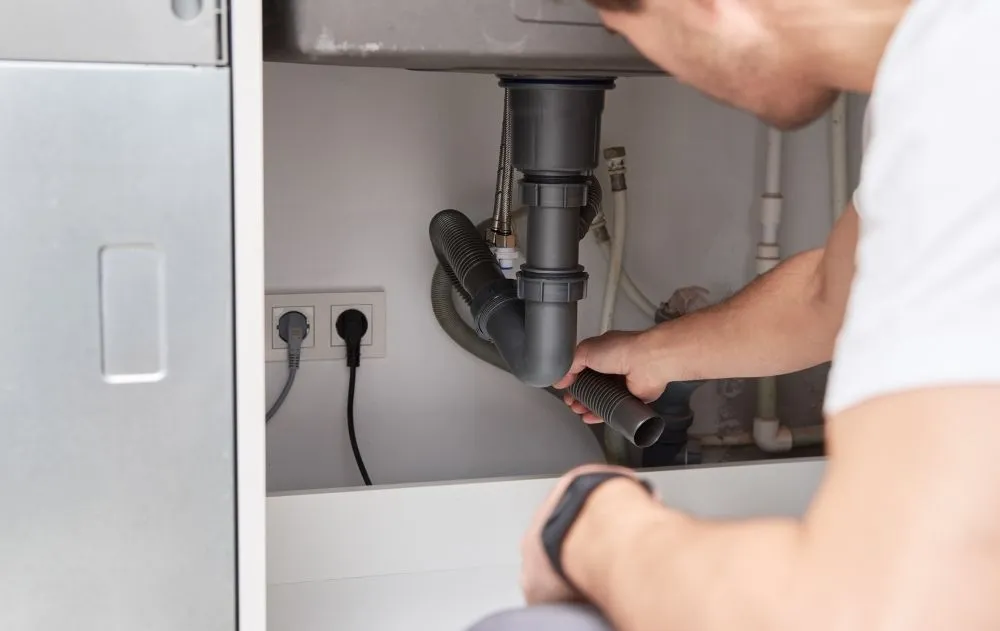
Once the old kitchen has been removed, you may have access to plumbing that is normally hidden behind cabinets.
This can be a good opportunity to check accessible pipework and connections for issues such as:
- Signs of leaks or previous water damage
- Corroded or ageing pipework
- Drainage problems
- Previous plumbing alterations
- Connections that may interfere with the new layout
If something needs attention, dealing with it before the new cabinetry and benchtops are installed can be far less disruptive than accessing it later.
When Should You Speak to a Plumber?
You do not need to have every cabinet finish and appliance selected.
Once you have a proposed layout showing where the sink, dishwasher, island and cooking appliances will be located, there is enough information to start considering the plumbing and gas requirements.
This can be particularly helpful when moving fixtures or adding services to an area that did not previously have them.
Frequently Asked Questions
1. Can plumbing be moved during a kitchen renovation?
Yes. Plumbing can often be relocated as part of a kitchen renovation. The work involved will depend on the new location, existing services, drainage requirements, access and how the home is constructed.
2. How much does it cost to move plumbing in a kitchen?
Costs can vary depending on how far fixtures are moving and what changes are needed to the existing water, drainage or gas services. Access to the pipework and the construction of the home can also affect the scope of work, so an assessment is usually needed for an accurate quote.
3. Can you move a kitchen sink to an island?
In many cases, yes. However, the island needs both water supply and wastewater drainage, and the approach will depend on the existing plumbing and the construction of the home.
4. Do I need a licensed gas fitter to move a gas cooktop?
Yes. Gas fitting work must be carried out by an appropriately licensed gas fitter. If you are relocating a gas cooktop, the gas connection and new appliance location should be considered as part of the kitchen renovation.
Final Thoughts
A new kitchen layout does not have to be limited by where the existing plumbing is located. But moving fixtures can change what is required behind the finished kitchen.
Understanding those requirements before installation begins can help you make more informed decisions about your layout and reduce the chance of unexpected plumbing changes once the renovation is underway.
If you are planning a kitchen renovation in Perth and your new layout involves changes to water, drainage or gas services, Perth Local Plumbing & Gas can help assess what is required and carry out the necessary work.
