Shower leaks that quietly cause damage before you notice and the signs every homeowner should watch for
Small shower leaks are one of the most common plumbing issues in homes, and they’re often easy to overlook. What seems like a minor problem such as a small crack or loose seal can gradually allow water to seep into hidden areas, leading to structural damage over time.
Understanding how these leaks start and where they typically occur can help homeowners identify issues early and avoid costly repairs.
1. Common Causes of Shower Leaks in Homes
A shower leak rarely starts as a major issue. It usually begins small and easy to ignore, often appearing as minor cracks, loose seals, or slight water seepage that doesn’t seem urgent.
These early-stage issues are common in many homes and are often identified during routine checks by residential plumbing services, before they develop into more serious problems.
Common starting points include:
- Cracked grout or tiles
- Worn-out seals around the shower base or screen
- Minor plumbing leaks behind walls
- Failed or aging waterproofing
These issues allow water to slowly escape into hidden areas like walls and flooring, where it can build up over time without being noticed. What appears minor on the surface may already be causing damage underneath.
2. What’s Happening Behind Your Shower Walls
Tiles and grout are not fully waterproof they only act as a surface layer. Once water gets through small gaps or cracks, it can spread behind the walls without any visible signs.
Once water enters, it can:
- Soak into wall frames and flooring
- Damage or weaken waterproofing membranes
- Create damp, enclosed spaces that trap moisture
The real damage begins behind the surface, not where you can see it.
3. How the Damage Builds Over Time
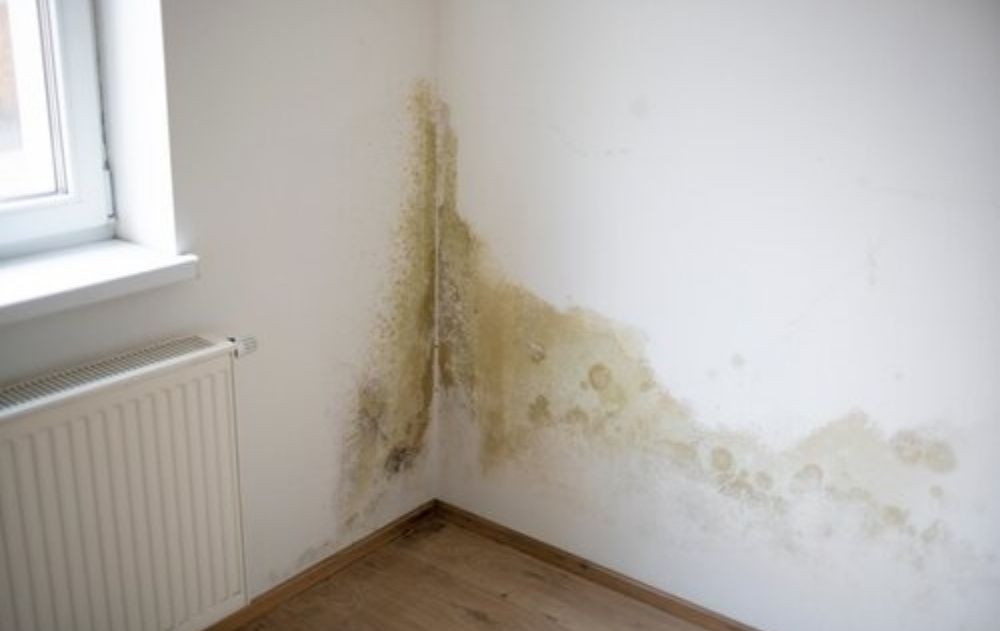
A small leak creates a slow but damaging chain reaction, as water continues to spread into hidden areas without being noticed.
How it progresses:
- Stage 1: Moisture builds up behind walls and under flooring
- Stage 2: Materials begin to weaken and break down over time
- Stage 3: Mould starts forming in damp, enclosed areas
- Stage 4: Structural elements like timber and flooring are affected
By this stage, the damage is more extensive, and repairs are no longer simple or low-cost.
4. Signs the Problem Is Already Serious
Most homeowners only notice a shower leak once the damage has progressed beyond the surface. In many cases, professional leak detection is required to identify the source, as the problem often exists behind walls or under flooring.
Warning signs include:
- Musty or damp smells
- Loose or hollow tiles
- Reappearing cracks in grout
- Water stains on nearby walls or ceilings
- Soft or spongy flooring
These signs usually indicate the leak has been active for some time and may already be causing hidden damage.
5. Why Quick Fixes Often Fail
Temporary fixes might seem like a solution, but they rarely address the root cause of the leak. In many cases, the visible issue is only on the surface, while the real problem exists behind the walls or within the waterproofing system.
Common issues with quick fixes:
- Regrouting or resealing only fixes surface-level damage
- Hidden leaks behind walls continue unnoticed
- Waterproofing issues remain unresolved
The leak continues silently, leading to further damage and higher repair costs over time.
6. When a Leak Becomes Structural Damage
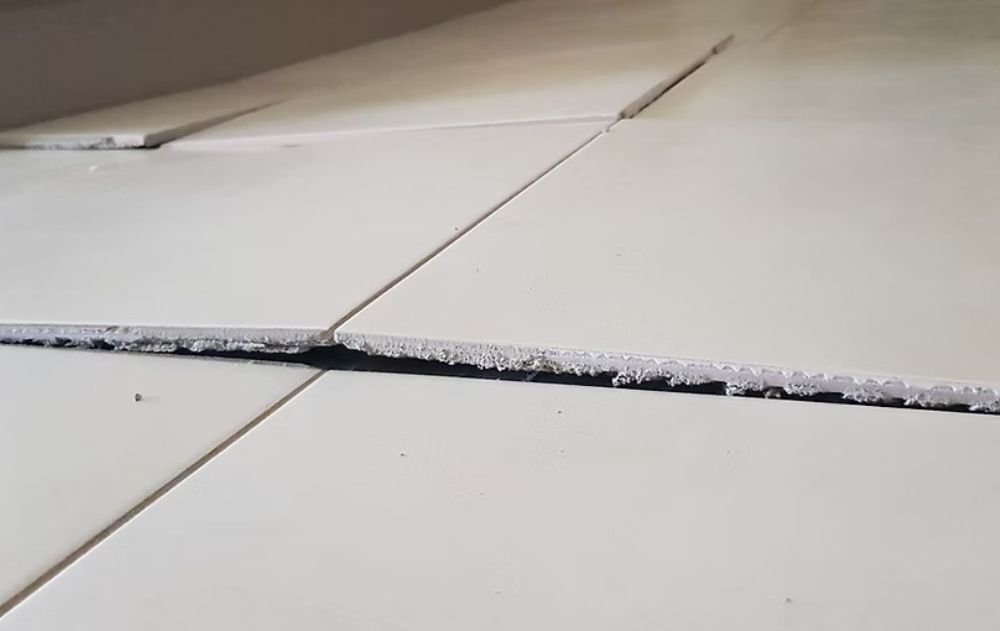
If a shower leak is left untreated, it can move beyond surface issues and start affecting the structure of your home.
This can lead to:
- Rotting timber frames
- Warped or unstable flooring
- Damage spreading beyond the bathroom
- Compromised wall structures
At this stage, the issue is no longer just plumbing repairs often involve major structural work and significantly higher costs.
7. When Should You Call a Plumber?
Don’t wait for visible damage by the time you notice it, the issue may already be advanced. Calling experienced local plumbers Perth homeowners trust early can help identify the source and prevent further damage.
You should act if:
- The leak keeps returning
- You notice damp smells or mould
- Tiles feel loose or hollow
- Water appears outside the shower area
Early action can prevent serious structural damage and significantly reduce repair costs.
Our Shower Leak & Plumbing Services in Perth
At Perth Local Plumbing & Gas, we don’t just patch leaks we identify the source and fix the problem properly to prevent it from returning.
Our services include:
- Shower leak detection and repairs
- General plumbing maintenance
- residential plumbing services
- Waterproofing-related plumbing assessments
- Emergency plumbing for urgent water damage
We focus on resolving leaks early before they turn into costly structural problems.
FAQs
1. Can a small shower leak cause structural damage?
Yes. Even a minor leak can lead to serious structural damage over time by weakening timber, damaging flooring, and compromising walls.
2. What are the early signs of a leaking shower behind tiles?
Musty smells, loose tiles, recurring grout cracks, and damp patches are common early indicators.
3. Will regrouting or resealing fix a leaking shower?
No. These only address surface issues. If the cause is deeper (e.g., waterproofing failure), the leak will continue.
4. What causes most shower leaks in homes?
Shower leaks are usually caused by cracked grout, failed waterproofing membranes, worn seals, or hidden plumbing leaks behind walls.
5. Should I call a plumber or a renovator?
Start with a plumber. A licensed plumber can identify the source before any repair or renovation work begins.
Final thoughts
A small shower leak might not seem urgent, but it rarely stays that way. What starts as a minor issue can quietly spread behind walls and under floors, leading to serious structural damage over time.
The earlier you act, the easier and more affordable it is to fix. If you suspect a leak, don’t ignore it. Contact Perth Local Plumbing & Gas to have it inspected before it becomes a major problem.