
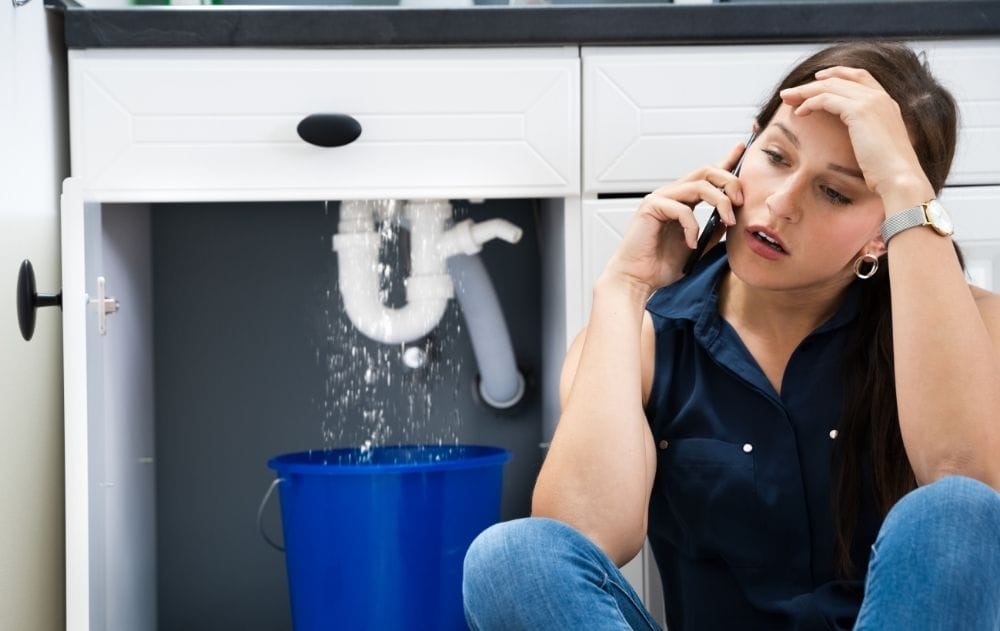
A plumbing emergency can happen without warning. A burst pipe, overflowing toilet, major leak or sudden loss of water can quickly cause damage if it is not dealt with promptly.
While waiting for professional help, there are several practical steps you can take to make the situation safer and reduce further damage.
1. Identify the Immediate Risk
First, work out what is happening and look for any immediate safety hazards.
Common plumbing emergencies include:
- Burst or damaged pipes
- Major water leaks
- Overflowing toilets
- Water backing up from drains
- Significant loss of water supply
- Hot water system failures
- Suspected gas leaks
If water is near electrical outlets, appliances or electrical equipment, treat the situation as a potential electrical hazard and keep away from the affected area.
2. Turn Off the Water if It Is Safe to Do So
For many water-related emergencies, shutting off the water supply can help limit further damage.
The main shut-off valve is commonly located near the property’s water meter or where the main water supply enters the property.
If you can safely access the valve, turn off the water and then open a nearby tap briefly to relieve remaining pressure in the system.
If you cannot safely reach the shut-off valve, do not put yourself at risk. Wait for professional assistance.
3. Keep Away From Electrical Hazards
Water and electricity are a dangerous combination.
If water has reached power points, electrical appliances, switches or other electrical equipment, do not touch the affected items.
Do not walk through standing water if you suspect it may be in contact with electrical equipment.
If it is safe to do so, contact the appropriate emergency electrical service. Otherwise, leave the affected area and wait for qualified assistance.
4. If You Suspect a Gas Leak, Prioritise Safety
A suspected gas leak requires a different response from a water leak.
If you smell gas or suspect a gas leak:
- Avoid flames and anything that could create a spark.
- Do not operate electrical switches unnecessarily.
- Move everyone away from the affected area.
- If it is safe and you know how, shut off the gas supply.
- Leave the property if the smell is strong or you feel unsafe.
- Contact the appropriate emergency service or a licensed gas professional from a safe location.
Do not attempt to locate or repair a suspected gas leak yourself.
5. Try to Limit Water Damage
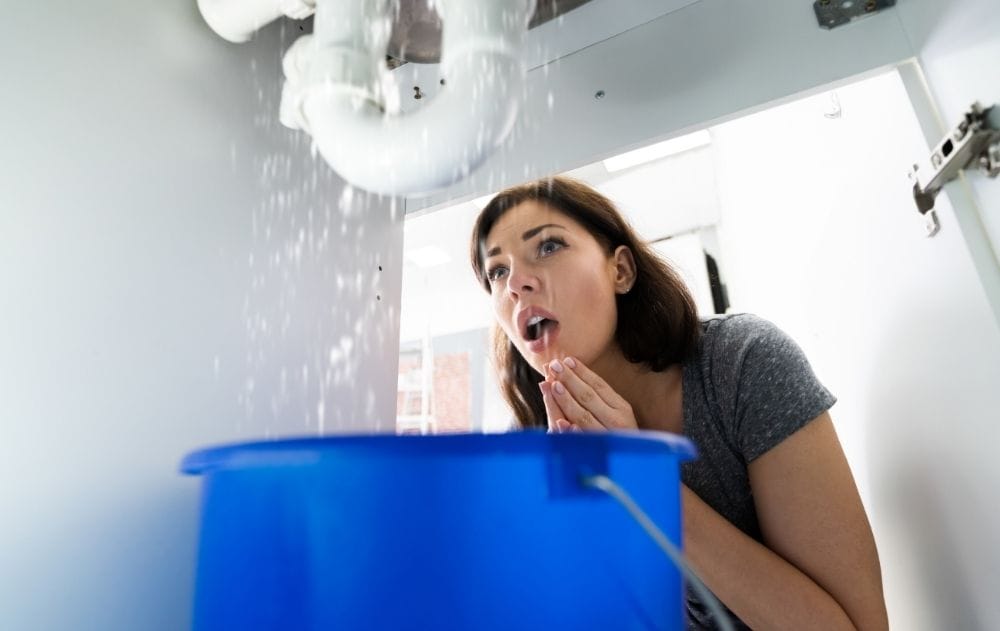
Once immediate safety concerns have been addressed, focus on protecting the surrounding area.
You can:
- Place buckets or containers under accessible leaks.
- Use towels to absorb small amounts of water.
- Move furniture, electronics and valuables away from the affected area.
- Keep children and pets away from wet or hazardous areas.
- Remove standing water where it is safe to do so.
Avoid attempting a major repair simply to stop the leak unless you know exactly what you are doing.
6. Avoid Chemical Drain Cleaners
If the emergency involves a blocked drain or toilet, avoid pouring large quantities of chemical drain cleaner into the plumbing.
Chemical products may not resolve the underlying blockage and can create additional hazards for anyone who later needs to work on the plumbing.
Instead, stop using the affected fixture and wait for the blockage to be properly assessed if basic, safe clearing does not resolve the problem.
7. Don’t Make the Problem Worse With Temporary Repairs
It can be tempting to try to repair a burst pipe or major leak with tape, sealants or improvised materials.
Temporary measures may sometimes help contain a minor leak, but they are not a substitute for repairing the underlying problem.
If water continues escaping, prioritise shutting off the relevant water supply and containing the damage rather than repeatedly attempting temporary repairs.
8. Document What Happened
If the situation is safe, take photographs or videos before significant cleanup or repair work begins.
Document:
- Where the problem occurred
- Visible water damage
- Damaged fixtures or pipework
- When you first noticed the issue
- Any steps you took to contain it
This information can help a plumber understand what happened and may also be useful for your insurer if the damage is significant.
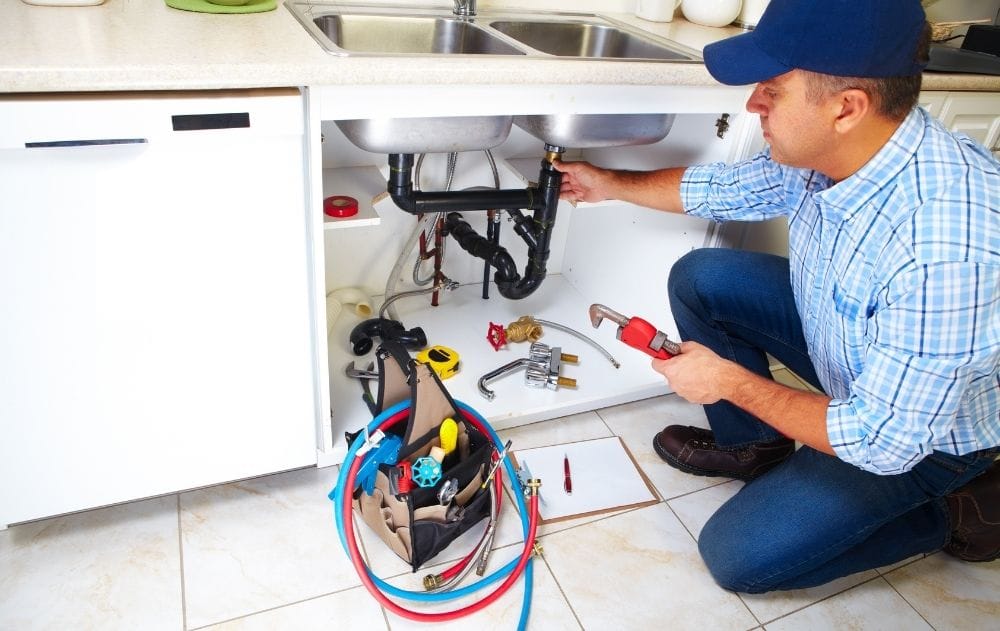
9. Give the Plumber Clear Information
When arranging professional assistance, explain the problem as clearly as possible.
Useful information includes:
- What happened
- Where the problem is located
- When you first noticed it
- Whether the water supply has been turned off
- Whether water is still escaping
- Whether there is visible property damage
- Whether electricity or gas may also be involved
If you have photographs of the problem, they may also help explain the situation.
What Should You Do While Waiting for a Plumber?
The priority is simple:
Stay safe → stop or reduce the source if possible → protect the surrounding area → avoid making repairs worse → provide clear information when help arrives.
You do not need to diagnose the entire plumbing problem yourself. Your priority is to prevent further damage and keep people away from hazards until the issue can be properly assessed.
When Is a Plumbing Problem an Emergency?
Not every plumbing problem requires an emergency response.
An urgent situation is more likely when there is:
- A burst pipe causing significant water loss
- A major or uncontrollable leak
- Wastewater backing up into the property
- An overflowing toilet that cannot be controlled
- Significant flooding caused by plumbing
- A sudden loss of an essential plumbing service
- A suspected gas leak or other immediate safety concern
A slow-draining sink or minor dripping tap may require attention, but it may not necessarily require an emergency call-out.
Final Thoughts
Plumbing emergencies can become stressful quickly, but taking the right first steps can help reduce the risk of injury and limit property damage.
If you can safely isolate the water or gas supply, do so. Keep away from electrical hazards, avoid makeshift repairs that could make the problem worse, and protect your belongings from further damage.
Once the immediate situation is under control, provide the plumber with as much information as possible so the cause can be assessed and the appropriate repair can be carried out.
FAQs
1. What should I do first if a pipe bursts?
If it is safe, turn off the main water supply and move people and belongings away from the affected area. Then arrange professional assistance to assess and repair the damaged pipe.
2. Should I turn off the water during a plumbing emergency?
For many water-related emergencies, shutting off the water can help reduce further damage. Only attempt to access the shut-off valve if it is safe to do so.
3. What should I do if I smell gas?
Avoid flames, sparks and unnecessary electrical switches. Leave the affected area or property if necessary and contact the appropriate emergency service or a licensed gas professional from a safe location.
4. Should I try to fix a plumbing emergency myself?
Only attempt simple steps that you can perform safely, such as turning off an accessible water supply. Major leaks, burst pipes, gas problems and other serious plumbing issues should be assessed and repaired by appropriately qualified professionals.
