Knowing when a quick DIY check is enough and when expert help can save you thousands
Water leaks are one of the most common and costly plumbing problems for Perth homeowners. A dripping tap is easy to notice, but leaks hidden behind walls, under concrete slabs, or underground can quietly cause damage for months.
That’s where professional help often becomes necessary.
Many homeowners try DIY checks first, hoping to avoid calling a plumber in Perth. In some cases, that’s enough. In others, delays lead to higher water bills, structural damage, and more expensive repairs.
This guide explains when DIY checks make sense, where they fall short, and when professional help is the smarter option.
1. What Is Leak Detection and Why Is It So Important?
Leak detection is the process of identifying where water is escaping from your plumbing system whether it’s visible or hidden.
Even a slow, unnoticed leak can:
- Waste large amounts of water
- Push up your utility bills
- Damage walls, floors, and foundations
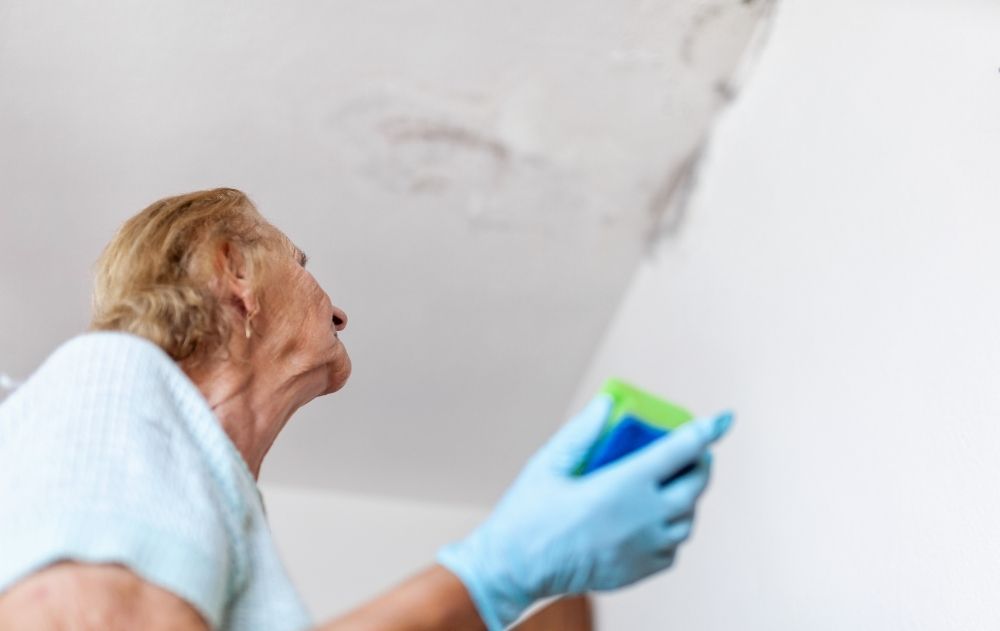
- Encourage mould growth
- Turn a small issue into a major repair
Early intervention helps prevent minor problems from escalating.
2. Common Signs You May Have a Plumbing Leak
Before deciding whether to investigate further, watch for these warning signs:
- Unexpected increases in water bills
- Damp or warm patches on floors or walls
- Mould or mildew with no clear cause
- Reduced water pressure
- Sounds of running water when taps are off
- Cracked tiles or lifting floorboards
If you notice more than one of these, there’s a strong chance the issue is hidden.
3. DIY Leak Checks: What Homeowners Can Do
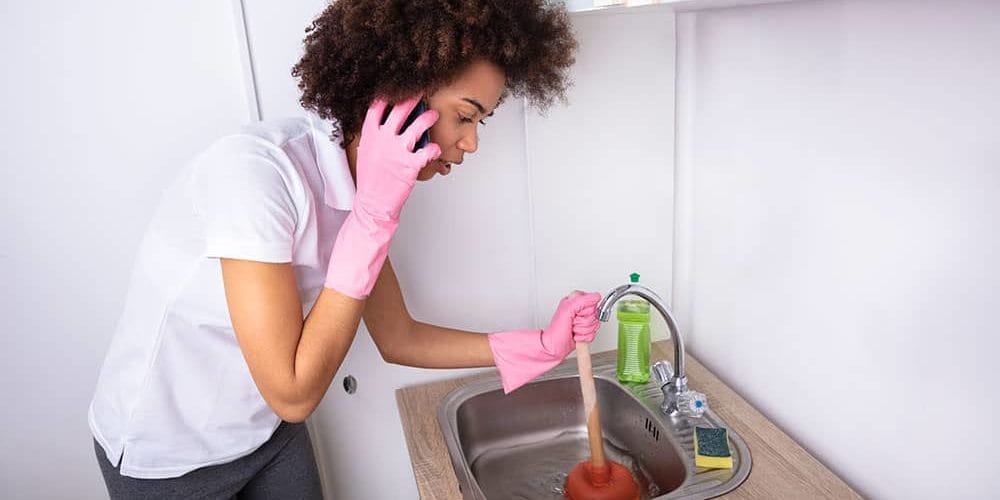
DIY checks are useful as a first step, particularly for obvious or accessible problems.
Things you can safely check include:
- Turning off all taps and monitoring the water meter
- Inspecting under sinks, basins, and toilets
- Checking toilet cisterns for silent leaks
- Looking for visible moisture or corrosion
- Inspecting outdoor taps and irrigation systems
These checks work best for small, surface-level issues.
4. The Limitations of DIY Leak Detection
While DIY checks are helpful, they have clear limits.
Home methods usually can’t accurately identify:
- Leaks beneath concrete slabs
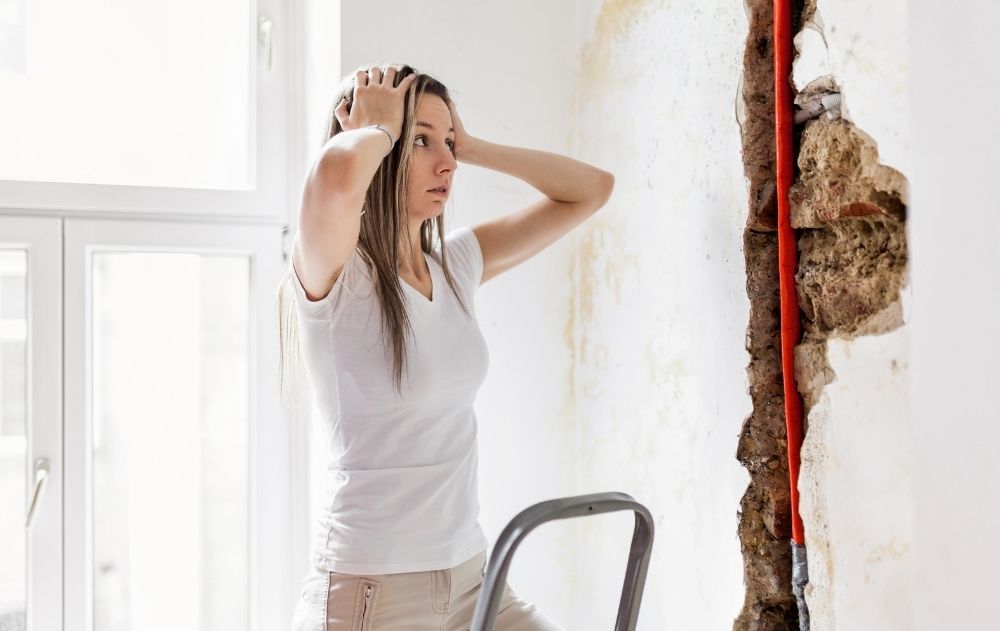
- Pipe failures inside walls
- Underground water line issues
- Slow pressurised leaks
- Intermittent or temperature-related problems
Common mistakes include treating symptoms instead of the cause or unintentionally damaging pipes while investigating. Many homeowners only call a professional once the damage becomes obvious and costly.
5. How Professional Leak Detection Works
Professional plumbers use specialised, non-invasive equipment to locate leaks accurately without unnecessary damage.
Depending on the situation, this may include:
- Acoustic listening devices
- Thermal imaging cameras
- Pressure testing
- Moisture detection tools
- Gas tracing for underground pipes
This approach allows the issue to be located precisely, avoiding unnecessary cutting into walls or floors.
6. When Should You Call a Plumber in Perth?
DIY checks should stop and professional help should begin if:
- The leak source isn’t visible
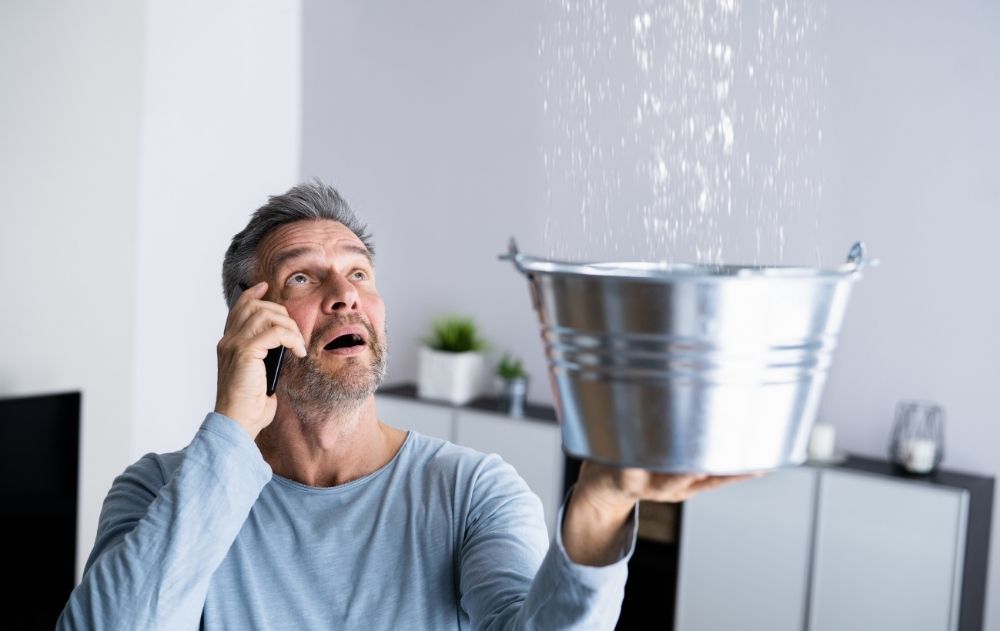
- Water appears through floors or walls
- Your water meter moves when everything is turned off
- You suspect a slab or underground issue
- Mould keeps returning
- Water bills continue to rise
Calling a licensed plumber in Perth early can prevent serious damage and reduce overall repair costs.
7. Why Perth Homes Are More Prone to Hidden Leaks
Many local homes face conditions that increase the likelihood of concealed plumbing issues, including:
- Reactive soils that shift over time
- Older copper or galvanised pipework
- Concrete slab construction
- Higher water pressure in some suburbs
These factors make professional assessment especially important for Perth properties.
8. Other Plumbing Services Perth Local Plumbing Provides
In addition to locating and repairing leaks, Perth Local Plumbing offers a full range of residential plumbing services, including:
- Blocked drain clearing
- Hot water system repairs and replacements
- Burst pipe repairs
- Toilet, tap, and fixture repairs
- Gas fitting and gas leak repairs
- Emergency plumbing services
Whether it’s a sudden issue or preventative maintenance, our team focuses on reliable solutions that last
FAQs
1. Can I check for water leaks myself?
Yes, you can check visible areas like taps, toilets, and exposed pipes, or monitor your water meter when nothing is running. Hidden leaks usually need professional tools.
2. Is professional leak detection expensive?
It’s usually far more affordable than repairing long-term water damage caused by undetected leaks.
3. How long does a professional leak inspection take?
Most leak inspections take between one and two hours, depending on the size of the property and how difficult the leak is to locate.
4. Will leak detection damage my walls or floors?
Modern leak detection methods are non-invasive and designed to locate leaks without unnecessary damage. Walls or floors are only opened if a repair is required at a confirmed location.
5. When should I stop DIY checks and call a plumber?
You should call a licensed plumber if the leak source isn’t visible, your water meter keeps running, mould keeps returning, or your water bills continue to increase.
Final thoughts
DIY checks are a good starting point, but they can’t replace professional expertise when leaks are hidden or persistent. Acting early protects your home, your budget, and your peace of mind.
If you’re unsure about the source of a leak or want it checked properly, contact Perth Local Plumbing to speak with a licensed local plumber and get clear, practical advice before the problem escalates.