
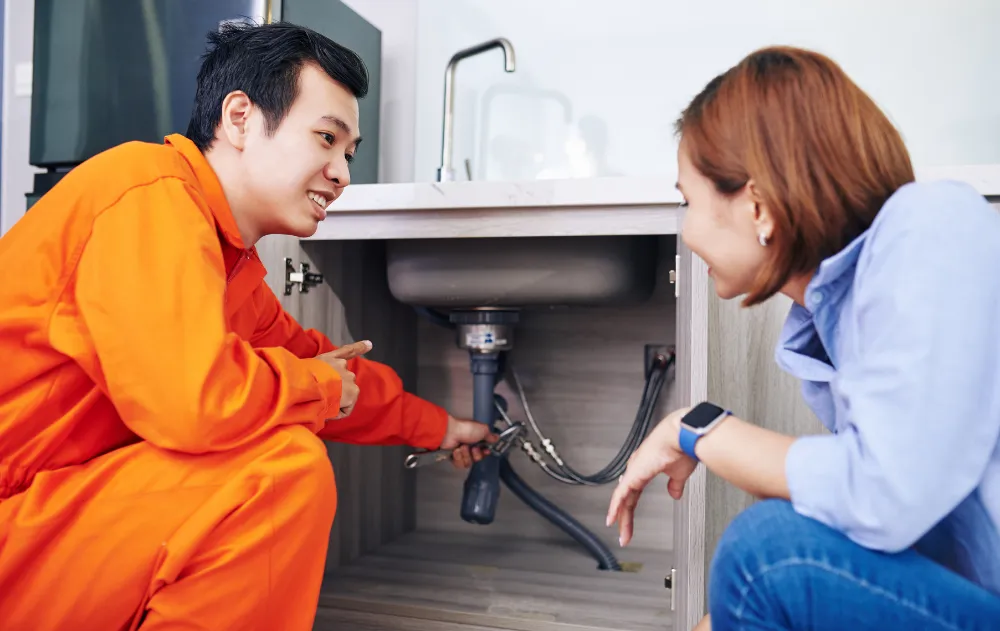
Plumbers use certain terms every day, but homeowners may not hear them until something needs repairing, replacing or investigating.
Whether you are dealing with a leaking tap, slow drain, hot water problem or planning plumbing work, understanding a few common terms can make it easier to follow what is happening.
This is not a technical plumbing dictionary. It is a simple guide to some of the terms you may hear when speaking with a plumber and what they mean in your home.
Water Pressure and Water Flow
These terms are often used interchangeably, but they do not mean exactly the same thing.
Water pressure refers to the force pushing water through the plumbing system. Water flow refers to the amount of water coming from a tap, shower or other outlet.
For example, a shower may feel weaker than usual, but the problem may not necessarily be water pressure throughout the property. Reduced flow could be affecting that particular shower or fixture.
When you might hear these terms: When investigating weak shower performance, reduced water from a tap or changes affecting multiple areas of the home.
Knowing the difference can also help you describe the problem more clearly when calling a plumber.
Isolation Valve
An isolation valve allows the water supply to a particular fixture or appliance to be turned off without shutting off water to the entire property.
These valves are commonly found near toilets, under sinks and around appliances such as dishwashers or washing machines.
When you might hear this term: A plumber may mention an isolation valve when repairing or replacing a tap, toilet, dishwasher or another individual plumbing connection.
Being able to isolate one area can make it easier to carry out work without affecting water throughout the rest of the home.
Main Water Shut-Off
The main water shut-off controls the water supply coming into your property.
If there is a significant leak or burst pipe, turning off the main water supply may help limit further water damage while plumbing repairs are arranged.
When you might hear this term: During an emergency, when investigating a major leak or when work requires the water supply to the property to be temporarily turned off.
If you have recently moved into a new home, it can be useful to know where the main water shut-off is located before you need it.
Drainage and Blocked Drains
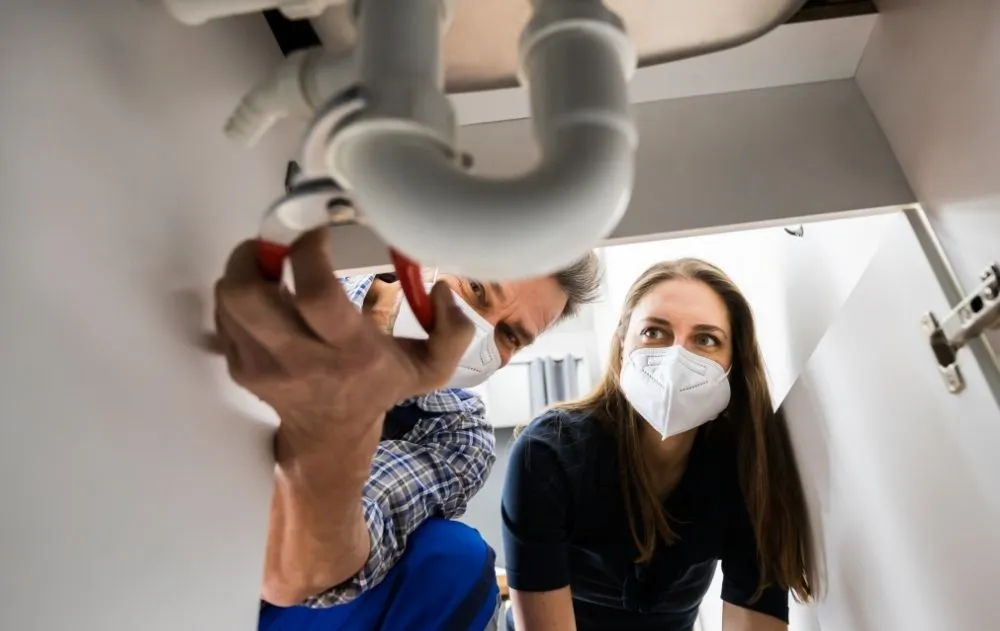
Drainage refers to the system that carries wastewater away from areas such as sinks, showers, toilets and laundries.
A blocked drain occurs when something prevents wastewater from moving through that system as it should.
A blockage may be close to the fixture where you notice the problem, or further along the drainage system. That is why a slow sink, gurgling drain or water backing up does not always reveal exactly where the issue is located.
When you might hear these terms: When investigating slow drainage, recurring blockages, unpleasant odours or wastewater backing up.
Understanding the difference between the drainage system and the blockage itself can make it easier to understand what a plumber is investigating.
Pipework
Pipework is the general term used to describe the network of pipes that supply water, carry wastewater away and, where applicable, transport gas.
Much of the pipework in a home is hidden behind walls, beneath floors or inside ceilings. This can make repairs more involved when the source of a problem is not immediately visible.
When you might hear this term: During leak investigations, plumbing repairs or renovations where existing pipes may need to be accessed, repaired or altered.
The condition and location of existing pipework can also affect what is involved when moving plumbing during a kitchen or bathroom renovation.
Leak Detection
Leak detection is the process of investigating where water may be escaping when the source is not immediately obvious.
A dripping tap is easy to identify. A leak behind a wall, under flooring or within concealed pipework can be harder to locate and may require further investigation.
Signs that may point to a hidden leak include:
- Unexplained damp areas
- Water stains
- Mould or moisture
- Changes in water use without an obvious reason
When you might hear this term: When there are signs of water damage or moisture, but the source of the leak cannot be easily identified.
Hot Water System
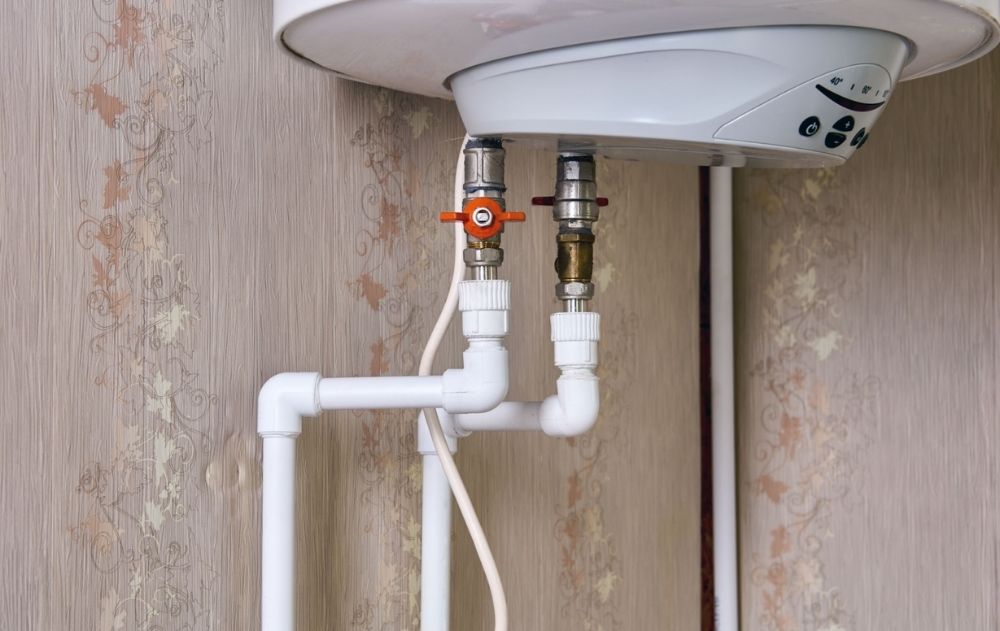
Your hot water system is responsible for heating and supplying hot water throughout your property.
Different homes may have different types of systems, and performance can depend on factors such as the system itself, its condition and household demand.
When you might hear this term: When investigating inconsistent water temperature, a lack of hot water, leaks around the system or a system that is no longer performing as expected.
A plumber may be referring to the unit itself, its connections or another issue affecting the supply of hot water.
Gas Fitting
Gas fitting refers to work involving gas appliances, gas connections and gas pipework.
This may include work associated with gas cooktops, gas hot water systems and other gas appliances.
When you might hear this term: When installing, repairing, replacing or altering a gas appliance or connection.
Gas work involves specific safety and licensing requirements and should be carried out by an appropriately licensed gas fitter.
Why Understanding These Terms Can Help
You do not need to understand plumbing terminology before calling a plumber. A clear explanation should not depend on you knowing technical language.
However, understanding a few common terms can make it easier to describe what you are noticing and follow the explanation of what needs to happen next.
For example, knowing whether a problem relates to water flow, drainage, hidden pipework or a specific appliance can give you a clearer starting point when discussing the issue.
The goal is not to turn homeowners into plumbers. It is simply to make conversations about plumbing a little easier to understand.
Frequently Asked Questions
1. What plumbing information should I give a plumber when I call?
Start with what is happening and where. For example: the kitchen sink is draining slowly, the shower has weak flow, or there is dampness under the bathroom vanity but I cannot see the source.
2. Is low water pressure always a plumbing problem?
Not always. If the issue only affects one tap or shower, the problem may be limited to that particular fixture. If water pressure or flow has changed across multiple areas of the home, the cause may be elsewhere in the plumbing system.
3. What should I do if I find a leak but cannot see where it is coming from?
Do not assume that the closest visible pipe or fixture is necessarily the source. Water can travel before it becomes visible.
4. What plumbing problems should I not ignore?
Problems that keep coming back are usually worth investigating rather than repeatedly working around. This can include recurring drain blockages, ongoing leaks, unexplained dampness, noticeable changes in water flow or pressure and unreliable hot water.
Final Thoughts
Plumbing terms can sometimes sound more complicated than they really are.
Understanding a few of the words you may hear can make it easier to explain a problem, ask questions and understand what a plumber is recommending.
If you are dealing with a plumbing or gas issue in Perth and are unsure what the problem means or what work has been recommended, Perth Local Plumbing & Gas can assess the issue, explain what is involved and discuss the appropriate next steps.
