

A water leak does not always announce itself with a burst pipe or a large puddle. Some leaks develop slowly behind walls, beneath floors or around plumbing fixtures, making them difficult to notice until the signs become more obvious.
Ignoring those early warning signs can allow a small plumbing problem to develop into a much larger repair.
Understanding the signs of a possible leak and acting early can help reduce water waste, limit property damage and prevent unnecessary repair costs.
What Are the Signs of a Hidden Water Leak?
Some leaks are easy to see, while others may only become apparent through changes around your home.
Look out for:
- Unexplained increases in water usage
- Damp patches on walls, floors or ceilings
- Water stains or discolouration
- Mould or persistent musty smells
- Peeling paint or damaged surfaces
- Unusual sounds of running water
- Water pooling where it normally should not
- A water meter that continues moving when water is not being used
These signs do not automatically confirm a hidden leak, but they are worth investigating if they persist or appear without an obvious explanation.
1. Early Detection Can Reduce Water Waste
A leak that continues unnoticed can waste water over time.
A dripping tap or leaking toilet may be relatively easy to identify, while a leak in concealed pipework can continue without being immediately visible.
Monitoring unusual changes in water usage can therefore be useful. If your household’s water consumption increases without a corresponding change in how much water you use, it may be worth checking for a plumbing leak.
2. Leaks Can Cause Damage Beyond the Pipe
Water escaping from a damaged pipe does not always remain in the area where the leak starts.
Moisture can spread into surrounding building materials and potentially affect:
- Walls and ceilings
- Flooring
- Cabinetry
- Timber
- Insulation
- Paint and plaster
The longer moisture remains present, the greater the potential for damage.
Finding a leak early gives you an opportunity to address the plumbing problem before prolonged moisture creates additional issues.
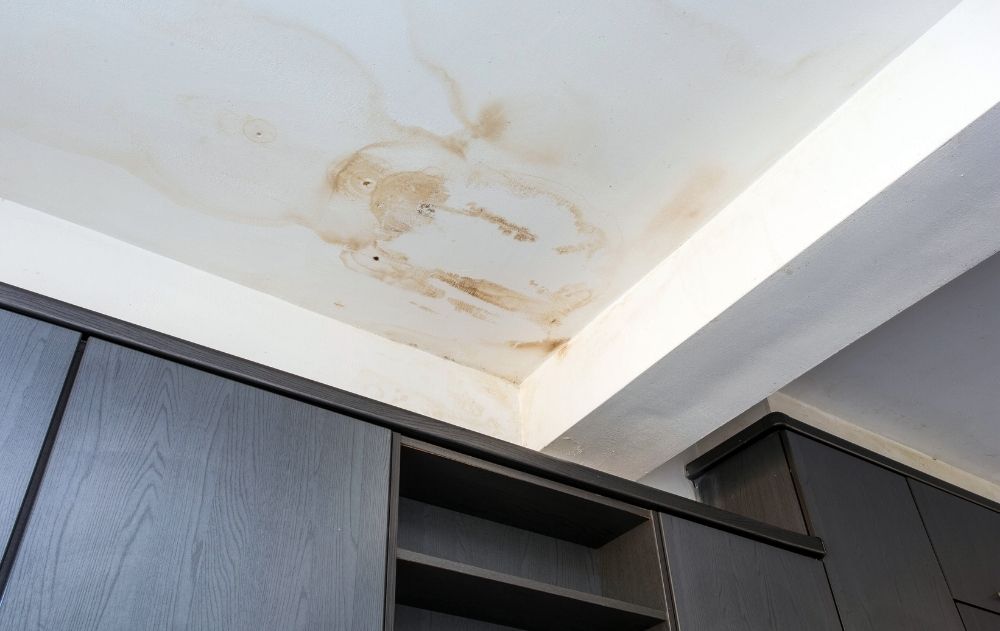
3. Hidden Leaks Can Be Difficult to Locate
The visible sign of a leak is not necessarily where the leak originates.
For example, water appearing on a ceiling may come from pipework or plumbing located elsewhere. Similarly, moisture around a wall or floor does not always mean the leak is directly behind that surface.
This is why simply repairing the most visible area may not solve the underlying problem.
When the source is unclear, the plumbing system may need to be investigated to determine where the water is actually escaping.
4. Small Warning Signs Shouldn’t Always Be Ignored
A single damp patch or a small increase in water usage may have a simple explanation. However, recurring signs deserve more attention.
For example, if you repeatedly notice:
- Dampness returning after drying
- A musty smell that does not go away
- Water stains becoming larger
- A toilet or tap that keeps leaking
- Unexplained changes in water pressure
- Water usage that remains unusually high
it is worth finding out what is causing the problem rather than repeatedly dealing with the symptoms.
5. Finding the Source Can Prevent Unnecessary Damage
When a leak is hidden, finding its location before opening walls, floors or other finished surfaces can help make the repair process more targeted.
Depending on the situation, professional plumbers may use different methods to investigate suspected leaks, including thermal imaging, acoustic detection, moisture detection or pressure testing.
The appropriate method depends on the type of plumbing system and where the leak is suspected.
The goal is to identify the likely source so that any necessary repair can be planned around the actual problem.
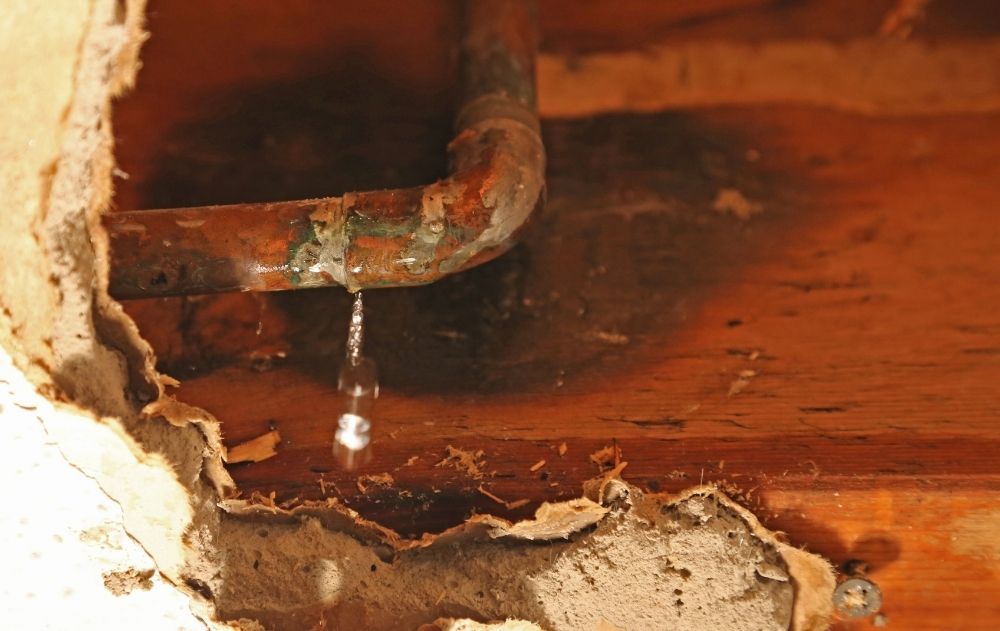
6. Early Action Can Make Repairs More Manageable
There is no guarantee that every leak will result in a major repair. However, leaving a known or suspected leak unresolved can allow the problem to continue.
Addressing the issue early may help reduce:
- Continued water loss
- The spread of moisture
- Damage to surrounding materials
- The need for more extensive repairs
- Disruption to the property
The earlier the cause is understood, the easier it can be to decide what needs to happen next.
When Should You Investigate a Possible Leak?
Consider having a suspected leak checked when the source is not obvious or when the warning signs continue.
Professional investigation may be appropriate if:
- Your water usage has increased unexpectedly
- Your water meter continues moving when all fixtures are off
- Dampness keeps returning
- You notice unexplained mould or musty smells
- Water stains are appearing or spreading
- You hear running water when no fixtures are being used
- A leak keeps returning after a basic repair
Not every warning sign means there is a hidden leak, but unexplained changes are easier to deal with when the cause is identified early.
Final Thoughts
A hidden water leak can remain unnoticed for weeks or months, particularly when it occurs behind walls, beneath floors or within concealed pipework.
Timely investigation can help identify the source before continued water loss or moisture creates a larger problem. Paying attention to unusual water usage, dampness, stains, smells and other warning signs is a simple first step for homeowners.
If you suspect a leak but cannot identify where it is coming from, the important thing is to investigate the cause rather than simply treating the visible symptom.
FAQs
1. How can I tell if I have a hidden water leak?
Common warning signs include unexplained increases in water usage, damp patches, water stains, mould, musty smells and a water meter that continues moving when water is not being used.
2. Can a small water leak cause serious damage?
It can. A persistent leak may allow moisture to build up in walls, floors, ceilings or other areas of a property. The potential impact depends on the location, duration and amount of water involved.
3. Can I check for a water leak myself?
You can start by checking visible plumbing fixtures, looking for damp areas and monitoring your water meter when all water use is turned off. Hidden leaks can be harder to identify and may require further investigation.
4. Does finding a leak require breaking walls or floors?
Not necessarily. Depending on the location and type of leak, plumbers may use non-invasive detection methods to narrow down the likely source before any access or repair work is carried out.
