
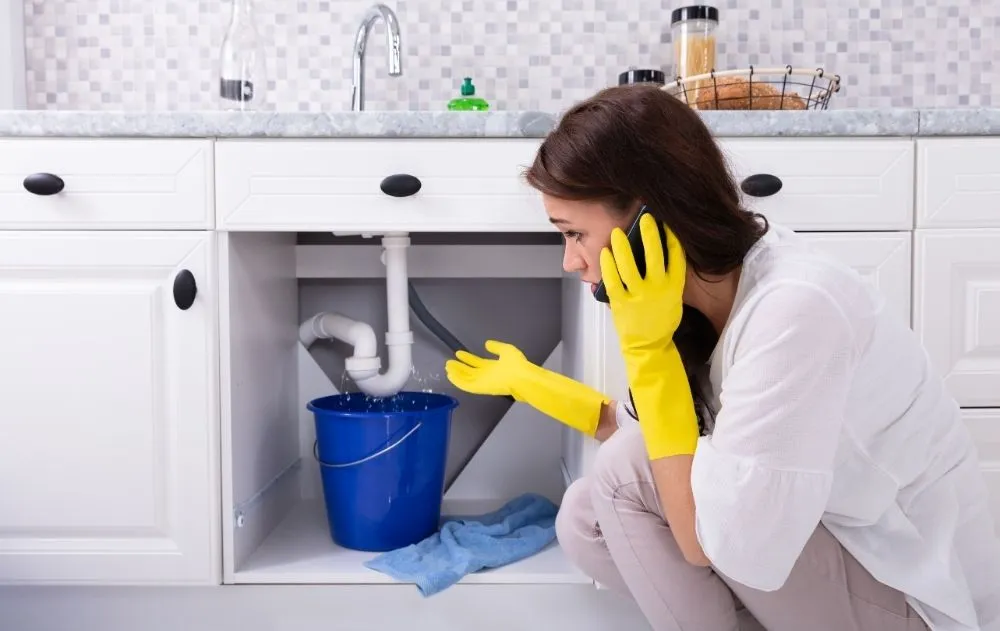
If you have never called a plumber before, you might not know what information to provide, what happens during the visit or when you will find out what the work is likely to cost.
The process is usually more straightforward than many homeowners expect.
You do not need to know the technical name for the problem or work out what needs to be repaired before making the call. Describing what you have noticed is often enough to get the conversation started.
Here is what you can generally expect when calling a plumber for the first time.
Before You Make the Call
You do not need to diagnose the problem, but a few details can help explain what is happening.
For example, you might know:
- Where the problem is occurring
- What you have noticed
- When the issue started
- Whether it is getting worse or keeps coming back
- Whether it affects one fixture or more than one area of the property
A simple description such as “the kitchen sink is draining slowly” or “there is water appearing under the bathroom vanity” is often more useful than trying to identify the technical cause yourself.
If there is an urgent issue, explain what is happening as clearly as possible when you contact the plumber.
What Happens When You Contact a Plumber?
The first conversation is usually about understanding the problem and determining the next step.
Depending on the issue, the plumber may ask questions about what you are experiencing, where the problem is located and whether there are any obvious signs of leaking, blockages or other damage.
Some issues can be discussed before a visit is arranged. Others need to be inspected in person before the cause and required work can be determined.
If a visit is required, you can arrange a suitable time and find out what to expect from the appointment.
What to Expect When the Plumber Arrives
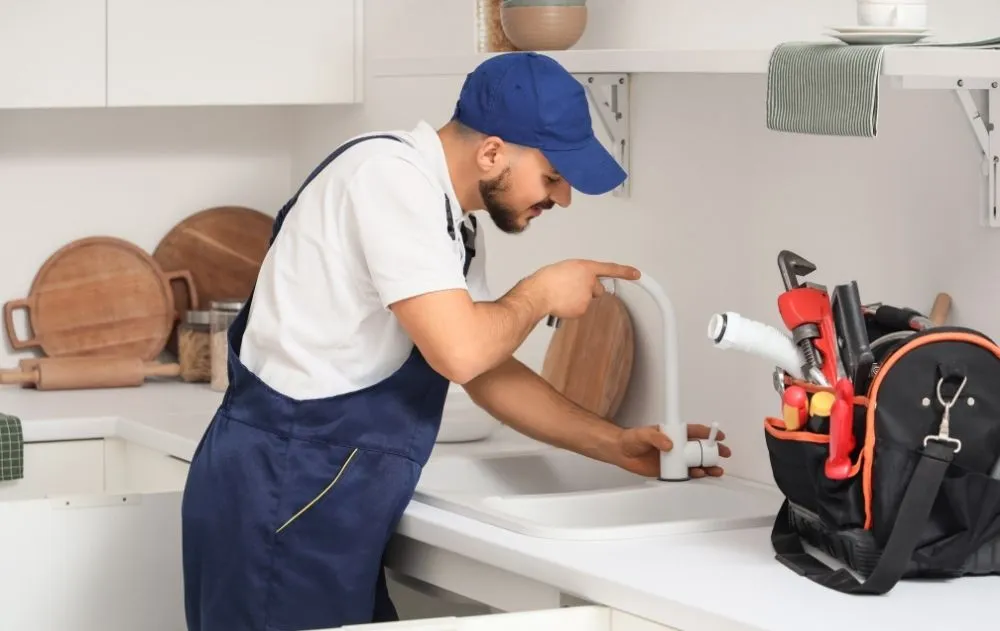
Once the plumber arrives, the first step is usually to look at the problem and gather more information.
This may involve checking the affected fixture, nearby plumbing or other parts of the property, depending on the issue.
For example, a slow drain may require a different assessment from a leaking toilet or a problem with the hot water system.
The plumber may also ask questions about when the issue started, whether it has happened before or whether you have noticed changes elsewhere in the home.
The purpose of the assessment is to understand what is causing the problem before recommending the appropriate work.
Understanding the Recommended Work
Once the issue has been assessed, the plumber should be able to explain what has been identified and what work is recommended.
If you are unfamiliar with plumbing, this is the time to ask questions.
You might want to understand:
- What is causing the problem
- What work is recommended
- Whether there are different options available
- What the proposed work involves
- How the repair or installation will affect the surrounding area
You do not need to understand every technical detail. The important thing is having a clear enough explanation to understand what you are being asked to approve.
When Will You Know the Cost?
The answer depends on the type of plumbing problem.
Some work may be straightforward once the issue has been assessed. Other jobs may involve additional investigation before the full scope of work is known.
Before approving work, it is reasonable to ask what is included in the proposed work and what the expected cost covers.
This does not mean that every possible issue can be predicted before work begins. Plumbing is often hidden behind walls, under floors or below ground, and additional problems may only become apparent once the work is underway.
If the situation changes, understanding how additional work will be communicated can help avoid confusion.
What If Something Unexpected Is Found?
Sometimes, the original problem can reveal another issue once the plumbing is inspected or work begins.
For example, a visible leak may lead to the discovery of damaged pipework, or a blocked drain may require further investigation to identify what is causing the blockage.
If additional work is required, you should understand what has been found, why further work is recommended and how it may affect the original scope.
Asking these questions does not make you a difficult customer. It simply helps ensure you understand what is happening before additional decisions are made.
What Happens After the Work Is Completed?
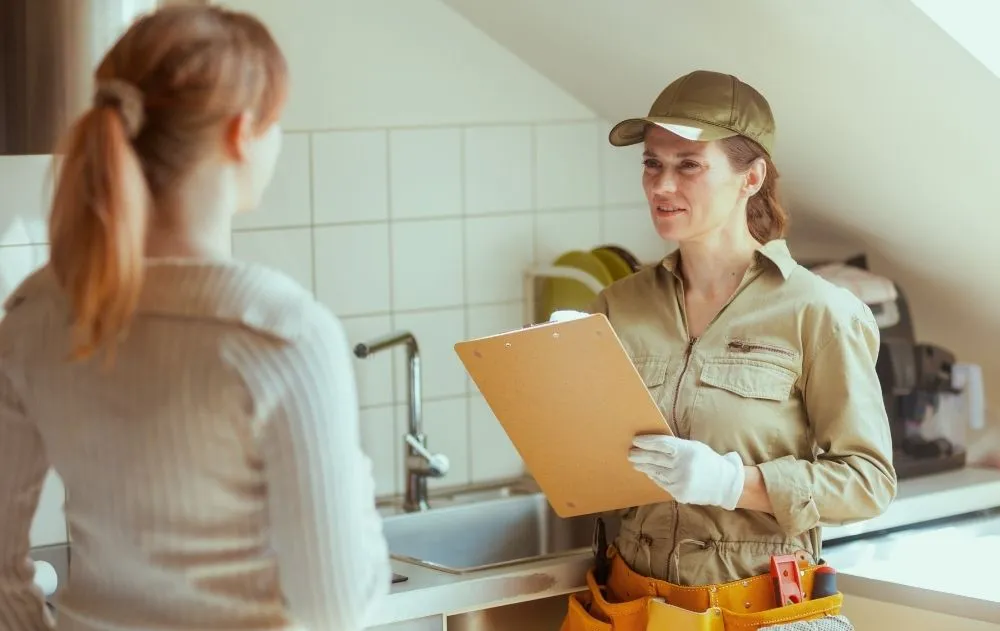
Once the work has been completed, it can be useful to understand what was repaired, replaced or changed.
If the problem involved a recurring issue, you may also want to know whether there is anything you should watch for in the future.
For new installations or replacement fixtures, asking how the system or fixture should be used and maintained can also be helpful.
You do not need a detailed plumbing lesson. A clear explanation of what was done and whether there is anything relevant to know going forward is usually enough.
Frequently Asked Questions
1. What should I say when I call a plumber?
Explain what is happening, where the problem is located and when you first noticed it. It can also help to mention whether the issue is getting worse, keeps coming back or affects more than one area of the property.
2. Do I need to be home when the plumber visits?
In many situations, someone will need to be available to provide access to the property and the area where the plumbing work is required. The exact arrangements can depend on the job, so it is worth confirming what is needed when booking the appointment.
3. Can a plumber tell me exactly what is wrong over the phone?
Sometimes, an obvious issue can be discussed based on the information you provide. However, many plumbing problems need to be inspected in person before the cause can be confirmed. understand the problem.
4. What should I ask before approving plumbing work?
Before approving the work, you may want to ask what problem has been identified, what work is recommended and what the proposed price includes. If there are different options available, you can also ask how they differ and whether anything could affect the scope of work.
Final Thoughts
For a first-time customer, the biggest uncertainty is often simply not knowing how the process works.
You may be unsure what to say when you call, what the plumber will need to inspect or how the recommended work will be explained.
In most cases, you only need to describe the problem as clearly as you can. From there, the plumber can assess the issue, explain what has been found and discuss the next step.
At Perth Local Plumbing & Gas, we aim to make the process straightforward by understanding the problem, assessing the work required and explaining the available next steps clearly.
