
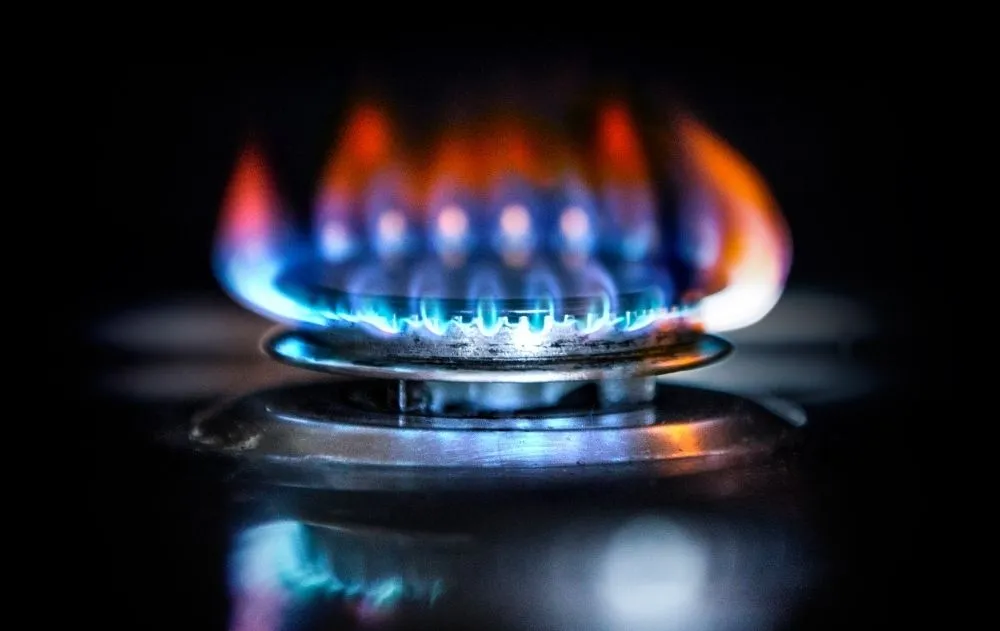
Why a Yellow Gas Flame Shouldn’t Be Ignored
Most homeowners don’t spend much time looking at the flame on their gas cooktop, heater, or hot water system. However, if you notice the flame has changed from its usual blue colour to yellow or orange, it’s worth paying attention.
A blue flame is generally a sign that your appliance is burning gas efficiently. A yellow flame, on the other hand, can indicate that something isn’t working as it should. While it doesn’t always mean there’s an immediate danger, it may point to a problem affecting the appliance’s performance, efficiency, or safe operation.
Understanding what causes a yellow flame can help you decide when simple servicing may be enough and when it’s time to call a qualified gas fitter.
1. A Healthy Gas Flame Should Usually Be Blue
The colour of your gas flame is one of the simplest indicators of how efficiently your appliance is operating. Natural gas appliances are designed to produce a clean, consistent blue flame, which shows the correct balance of gas and oxygen during combustion.
A healthy blue flame usually indicates:
- The appliance is operating efficiently
- The correct amount of oxygen is reaching the burner
- Fuel is burning properly
- The appliance is performing as intended
If the flame changes from blue to yellow and remains that way, it’s worth investigating the cause rather than assuming it’s normal.
2. What Causes a Gas Flame to Turn Yellow?
A yellow flame usually means the gas isn’t burning completely. This is known as incomplete combustion and can happen for several reasons.
Common causes include:
- Dirt or grease blocking the burner ports
- Insufficient airflow to the burner
- Worn or damaged burner components
- General appliance wear and tear
- Faulty gas appliance parts
Sometimes the issue may simply require servicing or cleaning, while older appliances may need replacement parts to restore normal operation. Having the appliance inspected early can often prevent larger problems from developing.
3. Could a Yellow Flame Be a Safety Concern?
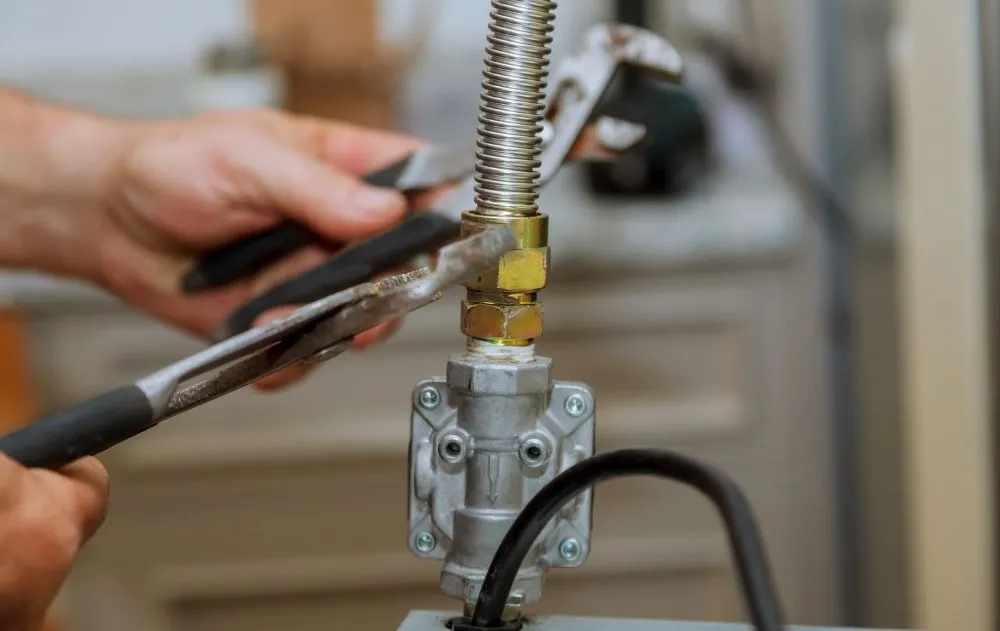
A yellow gas flame doesn’t always indicate an immediate emergency, but it should never be ignored. In some cases, it may suggest that the appliance isn’t burning gas efficiently, which can affect both performance and safety.
A yellow flame may indicate:
- Incomplete combustion, meaning the appliance isn’t burning gas as efficiently as it should.
- Potential carbon monoxide risks, as inefficient combustion can produce this colourless and odourless gas under certain conditions.
- A gas appliance that requires professional servicing, especially if the yellow flame persists or is accompanied by black soot, unusual smells, or poor performance.
While a yellow flame doesn’t automatically mean your appliance is unsafe, arranging a professional gas inspection can help identify the cause and ensure it continues operating safely.
4. Other Warning Signs to Watch For
A yellow flame is often accompanied by other symptoms that indicate your gas appliance may require attention. Paying attention to these warning signs can help identify problems before they become more serious.
Look out for:
- Black soot around the appliance
- Unusual burning smells
- Difficulty keeping the appliance lit
- Reduced heating performance
- Excess condensation around windows
- Pilot light repeatedly going out
If several of these warning signs appear together, it’s a good indication that the appliance should be professionally inspected.
5. Should You Try to Fix It Yourself?
It can be tempting to investigate the issue yourself, particularly if the appliance still appears to be working normally. However, gas appliances should always be approached with caution.
You can safely:
- Observe whether the yellow flame appears on one or multiple gas appliances, as this may help identify whether the issue is isolated or affecting your gas supply.
- Check for visible dirt or debris around the burner ports, but avoid dismantling or attempting to repair any gas appliance components yourself.
- Arrange a professional gas fitting inspection if the yellow flame persists or is accompanied by black soot, unusual smells, poor appliance performance, or difficulty keeping the appliance lit.
Attempting DIY gas repairs can create additional safety risks and may affect the safe operation of your appliance.
6. Which Gas Appliances Can Develop Yellow Flames?
A yellow flame isn’t limited to one type of appliance. Any appliance that burns natural gas can develop combustion issues if it isn’t operating correctly.
This may include:
- Gas cooktops
- Gas ovens
- Gas hot water systems
- Gas heaters
- Outdoor gas appliances
Regardless of which appliance is affected, a persistent yellow flame should always be investigated to ensure it continues operating safely and efficiently.
7. When Should You Call a Gas Fitter?

Knowing when to seek professional assistance can help prevent minor appliance issues from developing into more significant safety or performance concerns.
It’s recommended to contact a qualified gas fitter if:
- The flame remains yellow after restarting the appliance
- Black soot begins appearing around the appliance
- You notice unusual smells
- The appliance isn’t performing normally
- The flame colour changes suddenly without explanation
A professional gas fitter can identify the cause of the problem, inspect the appliance safely, and determine whether servicing, repairs, or replacement parts are required.
Professional Gas Fitting Services in Perth
If you’ve noticed a yellow flame on your gas appliance, it’s important to have the issue professionally assessed rather than ignoring it or attempting repairs yourself.
At Perth Local Plumbing & Gas, we provide professional gas fitting services across Perth, helping homeowners keep their gas appliances operating safely and efficiently.
Our services include:
- Gas appliance installations
- Gas appliance servicing
- Gas leak detection
- Gas pipe repairs
- Gas fitting services
- Gas hot water system services
- Residential plumbing services
Whether it’s a gas cooktop, heater, oven, or hot water system, our experienced gas fitters can identify the cause of a yellow flame and recommend the most suitable solution.
FAQs
1. Is a yellow gas flame always dangerous?
Not always, but it should never be ignored. A yellow flame may indicate incomplete combustion or another issue affecting the appliance’s safe operation.
2. What colour should a gas flame be?
A healthy natural gas flame is typically blue. A persistent yellow or orange flame may indicate that the appliance requires professional inspection.
3. Can a dirty burner cause a yellow flame?
Yes. Dirt, grease, or blocked burner ports can affect airflow and alter the flame colour, reducing combustion efficiency.
4. Should I stop using a gas appliance if the flame turns yellow?
If the yellow flame persists or is accompanied by soot, unusual smells, or poor performance, it’s advisable to stop using the appliance until it has been professionally inspected.
5. Can a gas fitter inspect a yellow gas flame?
Yes. A qualified gas fitter can determine why the flame has changed colour, assess the appliance, and recommend any repairs or servicing required.
Final thoughts
By recognising the warning signs early and arranging a professional inspection when needed, homeowners can help protect their property, improve appliance performance, and reduce the risk of more significant problems.
If you’ve noticed a yellow flame on your gas cooktop, heater, oven, or hot water system, contact Perth Local Plumbing & Gas for reliable gas fitting services, gas appliance inspections, and gas leak detection across Perth.
