
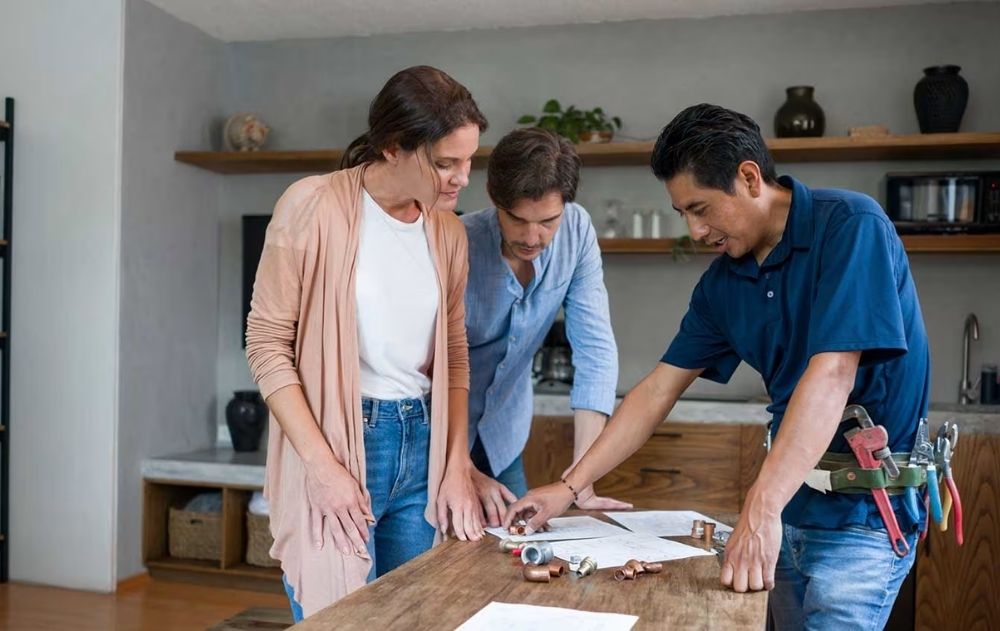
A practical breakdown of what actually gets inspected and what usually fails
If you think a plumbing compliance check is just a quick glance and a checklist tick-off, you’re already behind. A proper inspection is detailed for a reason one missed issue can lead to leaks, contamination, or costly failures.
It’s not about what’s visible; it’s about identifying hidden risks and system-wide issues before they escalate. Here’s what plumbers in Perth actually check and where most properties fall short.
Here’s what competent plumbers in Perth actually assess and where most properties fall short.
1. Water Pressure & Flow Consistency
This is typically the first red flag zone because pressure issues affect the entire system. Plumbers don’t just turn on a tap and say “looks fine.” They measure:
- Static pressure (no flow)
- Dynamic pressure (under load)
- Flow rates at multiple fixtures
What they’re checking:
- Pressure exceeding safe limits (damages pipes and appliances)
- Inconsistent flow across fixtures
- Pressure drops indicating hidden leaks or blockages
Common failures:
- No pressure-limiting valve installed
- Faulty regulators
- Old galvanised pipes restricting flow
If pressure isn’t properly controlled, the system is gradually damaging itself from the inside.
2. Pipework Condition & Material Compliance
Once pressure is assessed, attention shifts to the physical integrity of the system. This is where age, poor installation, and shortcuts get exposed.
What gets inspected:
- Pipe materials (PVC, copper, PEX, galvanised)
- Signs of corrosion, scaling, or cracking
- Correct pipe sizing and routing
What plumbers are looking for:
- Non-compliant or outdated materials
- Mixed metals causing corrosion (electrolysis)
- Poor installation practices
Common failures:
- Galvanised pipes still in use
- UV-damaged external piping
- Incorrect pipe gradients
If the pipework isn’t compliant, failure isn’t a possibility, it’s just a matter of time.
3. Drainage System Performance
With supply systems checked, focus shifts to how efficiently water leaves the property. Drainage is where most hidden problems develop because issues build up gradually.
Plumbers test:
- Drain flow speed
- Backflow risks
- Venting efficiency
What they’re checking:
- Blockages forming in lines
- Incorrect pipe fall (gradient)
- Gurgling or slow drainage
Common failures:
- Tree root intrusion
- Grease build-up in kitchen lines
- Poor initial installation
If drainage isn’t working properly, pressure builds in the system and problems escalate quickly.
4. Leak Detection (Visible & Hidden)
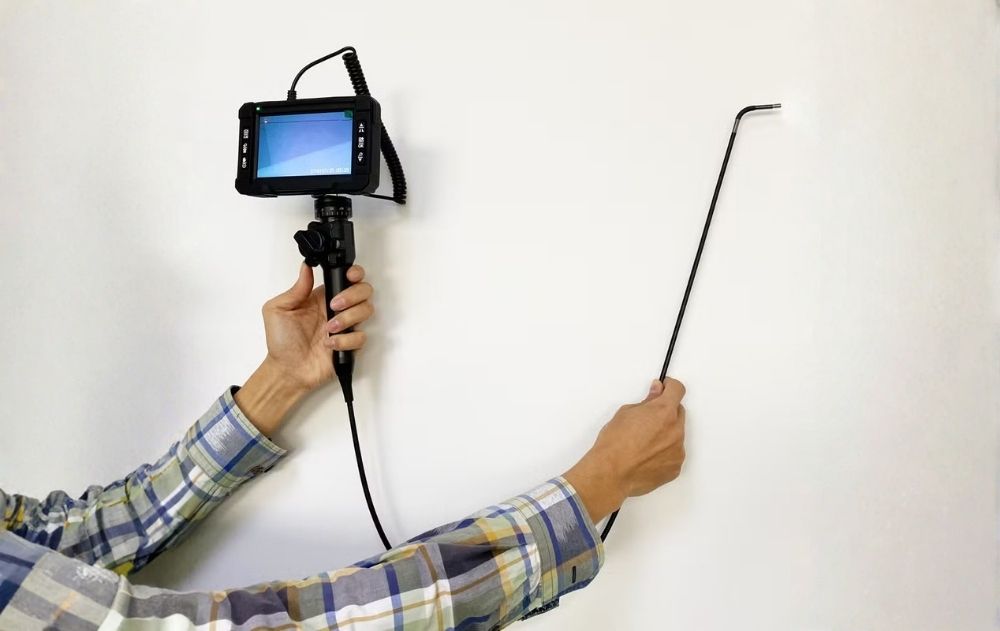
At this point, plumbers assess system integrity under real conditions. This is non-negotiable. Without proper leak detection, the inspection is incomplete.
Plumbers will:
- Inspect exposed joints and fittings
- Pressure test the system
- Use moisture detection where required
What they’re looking for:
- Micro leaks (early-stage failures)
- Damp zones in walls or flooring
- Slow pressure loss
Common failures:
- Loose fittings
- Worn seals
- Undetected slab leaks
Many of the most expensive plumbing failures start as leaks too small to notice.
5. Hot Water System Compliance
Hot water systems are heavily regulated and frequently overlooked.
What gets checked:
- Temperature settings (scald prevention)
- Relief valves and discharge systems
- Installation compliance
What plumbers are looking for:
- Incorrect thermostat settings
- Missing or faulty tempering valves
- Signs of corrosion or wear
Common failures:
- Water temperatures exceeding safe limits
- Poor maintenance
- Incorrect insulation
Hot water systems often fail quietly until they become a serious issue.
6. Backflow Prevention Systems
Now the focus shifts beyond the property itself. Backflow prevention isn’t just about your plumbing it protects the wider water supply.
Plumbers check:
- Presence of backflow devices
- Correct device type for risk level
- Testing and certification records
What they’re looking for:
- Missing devices (major compliance breach)
- Faulty or untested valves
- Incorrect installations
Common failures:
- No protection in irrigation or commercial systems
- Devices never tested or maintained
Failure here isn’t just a property risk it’s a public health issue.
7. Gas Plumbing Safety (If Applicable)
If gas is present, the inspection moves into high-risk territory.
Plumbers assess:
- Gas line integrity
- Leak detection
- Appliance connections
What they’re checking:
- Proper ventilation
- Secure fittings
- Compliance with safety standards
Common failures:
- Minor gas leaks
- Incorrect appliance installation
- Aging gas lines
Gas issues don’t allow margin for error small faults can have serious consequences.
8. Fixture & Appliance Compliance
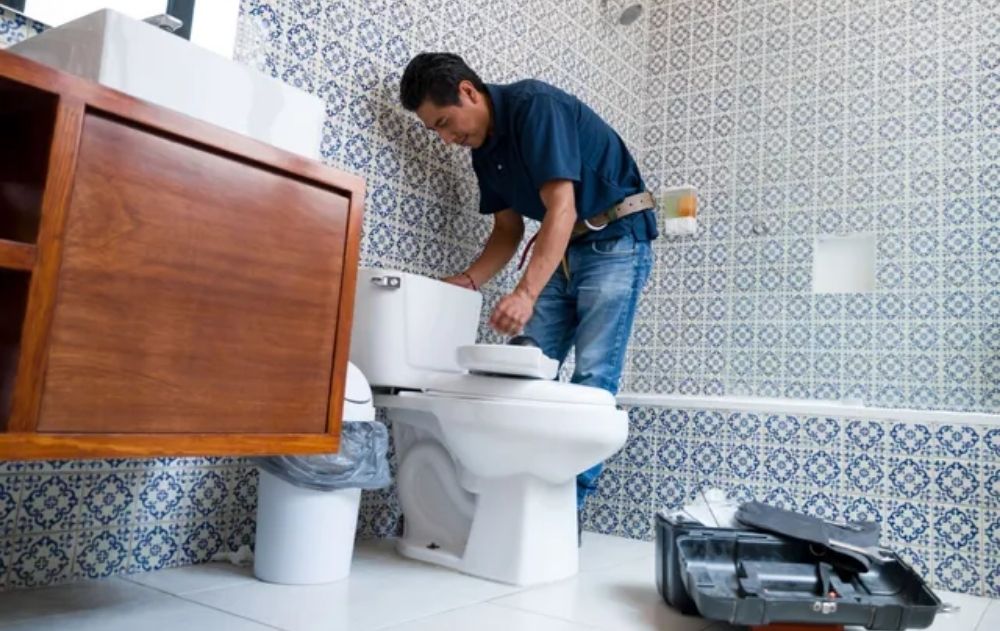
With core systems covered, attention turns to endpoints. Every fixture contributes to overall system performance.
Plumbers inspect:
- Tapware condition
- Toilet performance
- Appliance connections
What they’re looking for:
- Water inefficiency
- Connection leaks
- Non-compliant fixtures
Common failures:
- Worn washers
- Poor installations
- Low-quality fixtures
Small issues here compound over time into significant waste and damage.
9. Compliance with Australian Standards & Local Codes
This is the final and most critical layer. Even if everything “works,” it still needs to meet current regulations.
Plumbers verify:
- NCC and Australian Standards compliance
- Documentation and certification
- Legitimacy of installations
What they’re looking for:
- Unlicensed work
- DIY installations
- Outdated systems
Common failures:
- Renovations without compliance checks
- Missing certification
- Systems no longer meeting current standards
Compliance isn’t optional—it’s enforceable.
Our Plumbing Services in Perth
At Perth Local Plumbing & Gas, we provide comprehensive plumbing compliance inspections designed to identify risks, ensure system performance, and meet Australian Standards.
Our services include:
- Water pressure and flow testing to identify imbalances and risks
- Professional leak detection for visible and hidden issues
- Drainage and backflow risk assessments
- Hot water system compliance checks
- Gas plumbing safety inspections (where applicable)
- Compliance verification with NCC and relevant Australian Standards
- Clear reporting with actionable recommendations
We don’t just carry out surface-level checks we assess your entire system to identify issues early and prevent costly failures.
FAQs
1. What is a plumbing compliance inspection?
A plumbing compliance inspection is a detailed check of your entire plumbing system to ensure it meets Australian Standards and is functioning safely and efficiently. It identifies hidden issues, non-compliant installations, and potential risks.
2. What does a plumber in Perth check during an inspection?
A plumber in Perth typically checks water pressure, pipe condition, drainage performance, leak detection, backflow prevention, hot water systems, and overall compliance with local regulations.
3. How often should a plumbing compliance inspection be done?
It’s recommended every 1–2 years, or before buying, selling, or renovating a property. Older homes may require more frequent inspections.
4. Why is leak detection important during a compliance check?
Leak detection helps identify hidden issues such as micro leaks, slab leaks, or moisture inside walls. Catching these early prevents structural damage and costly repairs.
5. Are plumbing compliance inspections required in Perth?
In many cases especially for rental or commercial properties compliance checks are required. Even when not mandatory, they are strongly recommended to avoid future risks.
Final thoughts
Most people assume their plumbing system is “fine” because nothing has failed yet—but that’s often where problems begin. A compliance check helps identify risks early, before they become costly or dangerous.
If your system hasn’t been inspected recently, don’t assume it meets current standards. Contact Perth Local Plumbing & Gas to book a professional compliance inspection and ensure your plumbing is safe and compliant.
