
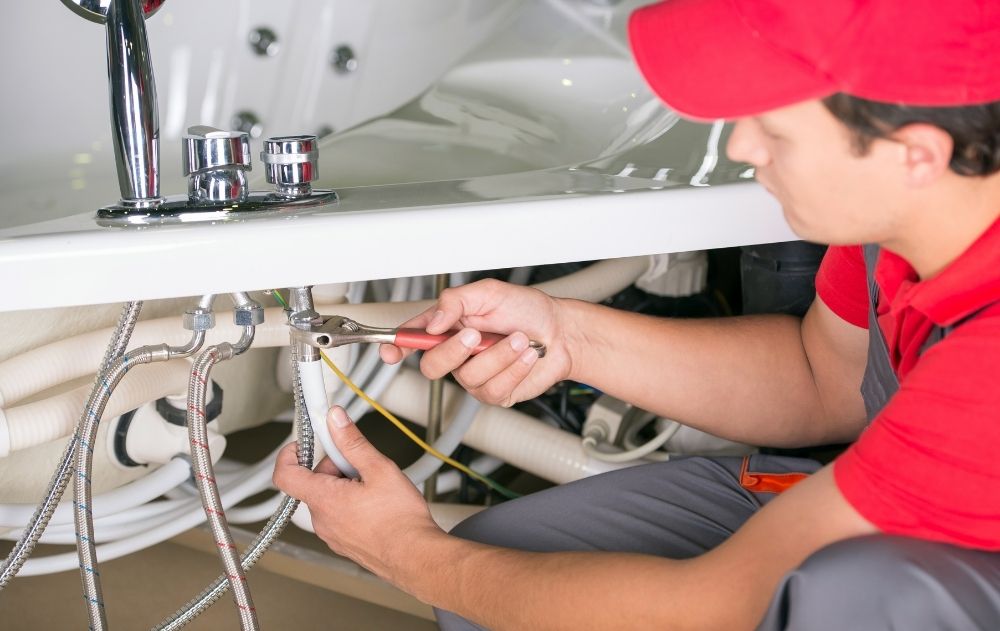
Understanding how plumbing systems vary between homes and commercial properties.
Plumbing systems are essential for both homes and businesses, but they’re not built the same way. Residential plumbing focuses on everyday household needs, while commercial plumbing systems are designed to handle larger buildings and heavier usage.
Understanding the differences can help property owners know what to expect when planning repairs, maintenance, or upgrades. Professional Perth plumbing services often work across both sectors, but the systems and requirements can vary significantly.
Below are some of the key differences between residential and commercial plumbing.
1. System Size and Complexity
One of the biggest differences between residential and commercial plumbing is the overall size of the system.
Residential plumbing systems typically include:
- Kitchen sinks
- Bathroom sinks and showers
- Toilets
- Washing machines
- Outdoor taps
These systems usually serve a single household.
Commercial plumbing systems are much larger and may include:
- Multiple bathrooms across several floors
- Large water supply lines
- Commercial kitchens
- Complex drainage systems
- High-capacity hot water systems
Because commercial buildings often serve hundreds of people daily, the plumbing infrastructure needs to support significantly higher demand.
2. Water Usage and Demand
Residential properties usually have predictable water usage throughout the day.
Typical household water use includes:
- Showers and baths
- Laundry and dishwashing
- Cooking and cleaning
Commercial buildings often experience much heavier and more frequent water usage.
Examples include:
- Office buildings with many employees
- Restaurants using large volumes of water for kitchens
- Retail centres with public restrooms
- Gyms, hotels, or medical facilities
Commercial plumbing systems must be designed to manage constant usage without pressure loss or drainage problems.
3. Plumbing Fixtures and Equipment
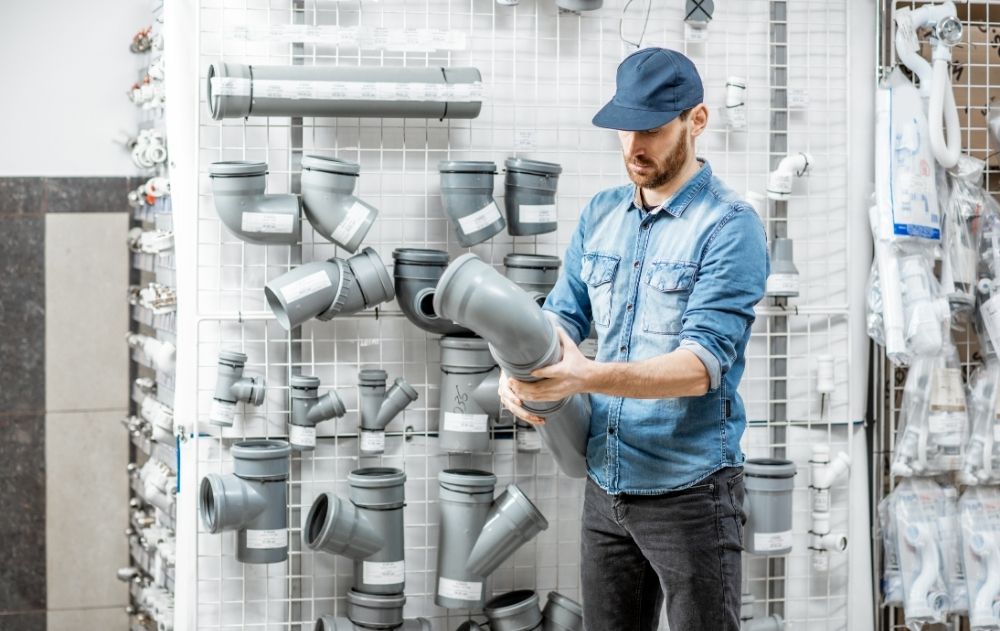
Residential plumbing fixtures are designed for standard household use.
Common residential fixtures include:
- Standard toilets
- Domestic sinks and taps
- Household hot water systems
- Basic drainage systems
Commercial buildings typically require more durable fixtures designed for high traffic.
Examples of commercial plumbing fixtures include:
- Sensor taps and automatic flushing systems
- Industrial kitchen sinks
- Commercial dishwashing plumbing systems
- Larger hot water units
These fixtures are built to handle repeated use while maintaining hygiene and efficiency.
4. Installation and Design Requirements
Residential plumbing systems usually follow straightforward layouts commonly found in homes.
Installation typically involves:
- Standard pipe layouts
- Fewer fixtures
- Shorter pipe runs
Commercial plumbing installation is often more complex because of building size and structure.
Commercial plumbing design may involve:
- Multiple floors with vertical pipe systems
- Pressure management for large water supply lines
- Extensive drainage systems
- Plumbing coordination with other building services
Because of this complexity, local plumbers Perth businesses trust often work alongside builders, engineers, and property managers on commercial projects.
5. Maintenance Requirements
Maintenance needs can vary depending on the type of property.
Residential plumbing maintenance commonly includes:
- Fixing leaking taps
- Clearing blocked drains
- Servicing hot water systems
- General pipe repairs
Commercial plumbing systems usually require more structured maintenance because of heavy usage.
Typical commercial maintenance services include:
- Routine plumbing inspections
- Drain and sewer maintenance
- Backflow prevention testing
- Hot water system servicing
Regular maintenance helps commercial properties avoid disruptions that could affect daily operations.
6. Compliance and Safety Requirements
Commercial plumbing systems are generally subject to stricter regulations and safety standards.
Commercial properties may require:
- Backflow prevention devices
- Grease traps for commercial kitchens
- Large drainage and waste systems
- Regular compliance inspections
Residential plumbing still needs to meet Australian standards, but the regulatory requirements are usually less complex than commercial installations.
7. Renovations and Plumbing Upgrades
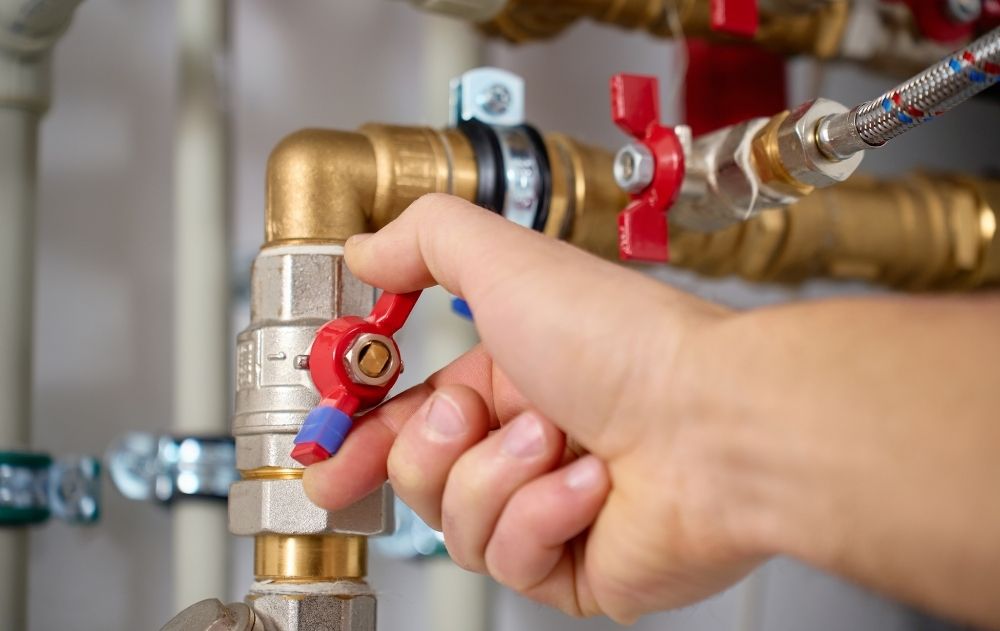
Renovation projects can also differ between residential and commercial properties.
Residential upgrades often involve:
- Kitchen plumbing upgrades
- Laundry improvements
- Bathroom plumbing renovations
- Fixture replacements
Commercial renovations may include:
- Reconfiguring plumbing layouts
- Expanding restroom facilities
- Upgrading water supply systems
- Modifying plumbing for new business operations
Both types of projects benefit from professional planning to ensure plumbing systems remain efficient and compliant.
Commercial Plumbing Services We Provide Across Perth
Whether it’s a home plumbing repair or a commercial installation, working with experienced professionals helps ensure reliable results.
At Perth Local Plumbing & Gas, we provide a range of services across Perth, including:
- General plumbing services for leaks, taps, and everyday plumbing issues
- Burst pipe repairs and pipe replacements
- Blocked drain clearing for sinks, toilets, and stormwater drains
- Hot water system installation and servicing
- Gas fitting and appliance connections
- Leak detection services
- Plumbing for kitchens, laundries, and bathroom plumbing renovations
- Preventative plumbing maintenance and inspections
Our team works with both residential and commercial properties to keep plumbing systems operating efficiently.
FAQs
1. What is the main difference between residential and commercial plumbing?
Residential plumbing systems serve individual homes and usually involve simpler pipe layouts and fewer fixtures. Commercial plumbing systems are larger, more complex, and designed to support higher water demand.
2. Do commercial buildings require different plumbing fixtures?
Yes. Commercial properties often use heavy-duty fixtures designed for frequent use, such as sensor taps, industrial sinks, and larger hot water systems.
3. Can the same plumber handle residential and commercial plumbing?
Many experienced plumbers offer both services. However, commercial plumbing projects often require additional planning and specialised knowledge due to their scale and complexity.
4. Why does commercial plumbing need more maintenance?
Commercial plumbing systems handle significantly more daily usage, which increases wear on pipes, fixtures, and drainage systems. Regular maintenance helps prevent disruptions.
5. When should plumbing be upgraded in homes or businesses?
Upgrades may be needed when plumbing systems become outdated, leaks occur frequently, water pressure drops, or renovations require new fixtures and pipe layouts.
Final thoughts
Understanding these differences can help property owners plan repairs, maintenance, and upgrades more effectively. With reliable Perth plumbing services, both residential and commercial plumbing systems can remain efficient and dependable for years to come.
