
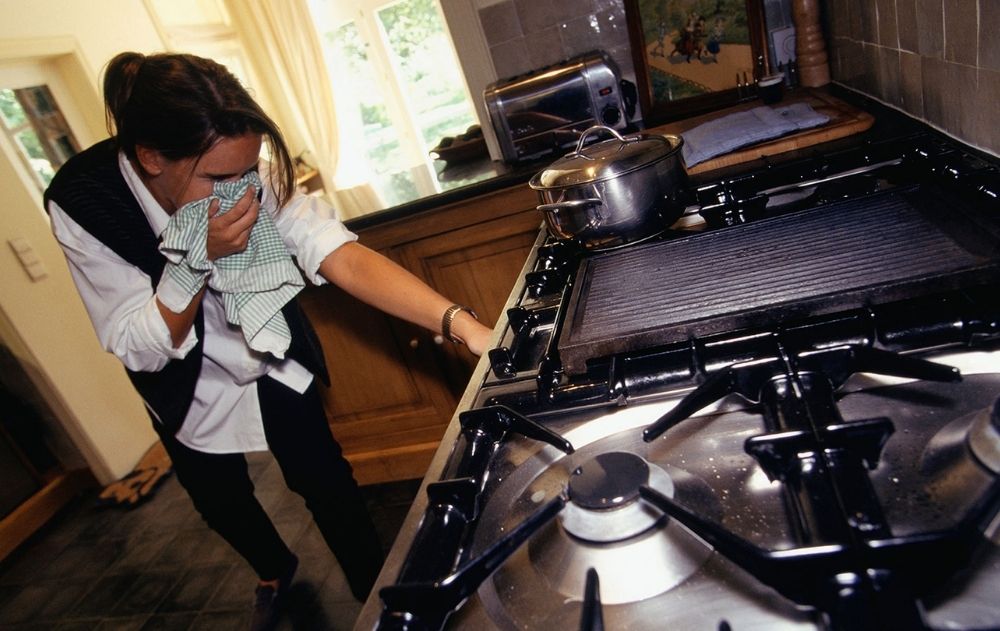
Essential steps every Perth homeowner should take to stay safe and avoid serious damage.
Smelling a gas leak in your home can be alarming — and for good reason. Natural gas is highly flammable, and exposure can also pose serious health risks. While gas systems are generally safe when installed and maintained correctly, leaks can occur due to ageing pipes, faulty fittings, or improper appliance connections.
Knowing exactly what to do in the first few minutes after detecting a possible gas leak can prevent injury, property damage, and potentially life-threatening situations. Here’s a clear step-by-step guide for Perth homeowners.
1. Recognise the Signs of a Gas Leak
Natural gas is naturally odourless, but suppliers add a chemical that gives it a strong sulphur or “rotten egg” smell to make leaks easier to detect.
Common signs of a gas leak include:
- A strong sulphur-like odour
- Hissing sounds near gas pipes or appliances
- Sudden dizziness, headaches, or nausea
- Dead plants near outdoor gas lines
- An unexplained increase in gas bills
If you notice any of these warning signs, assume there is a gas leak and take immediate action.
2. Do Not Use Electrical Switches or Open Flames
One of the most important safety steps is to avoid creating sparks.
Do NOT:
- Turn lights on or off
- Use electrical appliances
- Plug in or unplug devices
- Light matches or candles
- Use garage door remotes inside the home
Even a tiny spark can ignite gas in the air. Avoid anything that could create an ignition source.
3. Turn Off the Gas Supply (If It Is Safe)
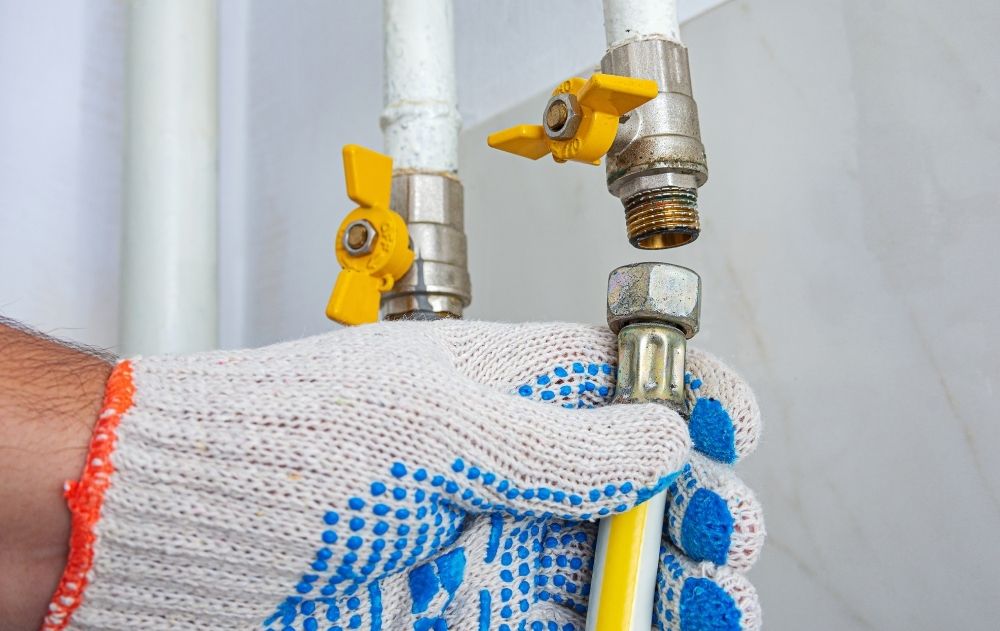
If you know where your gas meter and shut-off valve are located, and you can access them safely:
- Turn the gas supply off at the meter
- Avoid using metal tools unless absolutely necessary
- Move quickly but calmly
If the smell is strong or you feel unwell, prioritise evacuation instead of attempting to shut off the supply.
4. Ventilate the Area
If safe to do so:
- Open doors and windows
- Allow cross-ventilation
- Keep internal doors open
Fresh air helps disperse the gas and reduce concentration levels. However, do not delay leaving the property if the smell is overwhelming.
5. Evacuate Immediately
If the gas smell persists or feels strong:
- Leave the home straight away
- Ensure all occupants exit safely
- Move a safe distance from the property
- Do not re-enter the home
Gas can accumulate quickly in enclosed spaces. Evacuation is always the safest option when unsure.
6. Contact a Licensed Gas Professional From Outside
Once you are safely away from the property, contact a licensed gas plumber.
A suspected gas leak should always be assessed using professional gas leak detection equipment. Specialists use calibrated tools to:
- Identify the exact leak location
- Measure gas concentration levels
- Inspect appliances and pipework
- Confirm the system is safe before restoring supply
Never attempt DIY gas repairs. Gas systems are regulated for safety reasons and require licensed handling.
7. Common Causes of Gas Leaks in Homes
Understanding the causes of a gas leak can help prevent future issues.
Frequent causes include:
- Corroded or ageing gas pipes
- Loose fittings or worn seals
- Poor maintenance
- Accidental damage during renovations
- Incorrect or unlicensed gas appliance installation
Improper gas appliance installation is one of the leading causes of preventable leaks. Appliances such as cooktops, heaters, and hot water systems must be installed according to Australian safety standards.
8. Health Risks Associated With Gas Leak
Gas exposure can cause:
- Headaches
- Nausea
- Fatigue
- Dizziness
- Breathing difficulty
In severe cases, gas buildup increases the risk of fire or explosion. Early detection and fast response significantly reduce these dangers.
9. Hidden Gas Leaks: What You Should Know
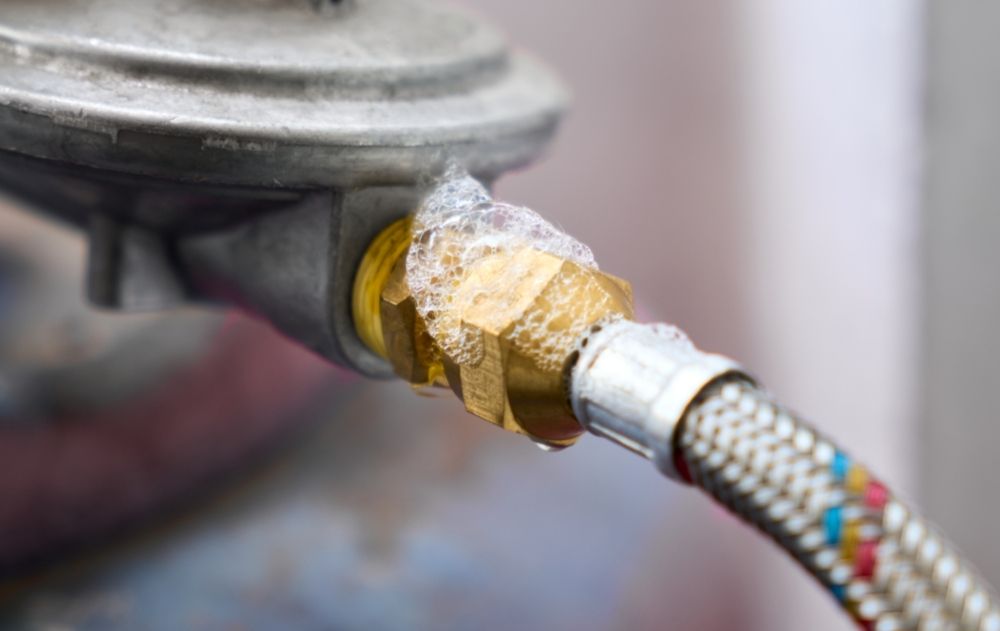
Not all gas leaks are obvious. Some may be small and gradual, going unnoticed for weeks or months.
Possible indicators of a hidden gas leak:
- Slight but persistent gas odour
- Unusual sounds near pipes
- Higher-than-normal gas usage
- Outdoor soil bubbling after rain
These situations require professional gas leak detection to confirm whether a leak is present and locate its source.
10. Why Professional Gas Leak Detection Matters
Gas leak detection involves specialised equipment designed to safely locate even small leaks without causing further risk.
Professional inspection ensures:
- Accurate diagnosis
- Safe and compliant repairs
- Full system testing
- Prevention of repeat issues
Without proper detection tools, leaks may be misdiagnosed or only temporarily fixed.
11. Preventing Future Gas Leaks
Prevention starts with proper installation and maintenance.
To reduce risk:
- Have gas appliances professionally installed
- Schedule regular system inspections
- Replace ageing gas lines when recommended
- Address minor issues promptly
Proper gas appliance installation significantly lowers the likelihood of leaks and ensures compliance with safety regulations.
Plumbing and Gas Services We Provide
In addition to professional gas leak detection, Perth Local Plumbing provides a complete range of residential plumbing and gas services across Perth.
Our services include:
- Emergency plumbing repairs
- Blocked drain clearing and CCTV inspections
- Hot water system repairs and replacements
- Water leak detection
- Safe and compliant gas appliance installation
- Gas pipe repairs and upgrades
- General plumbing maintenance
Whether you’re dealing with a suspected gas leak or planning a new appliance installation, our licensed team delivers safe, efficient, and reliable service.
FAQs
1. What should I do first if I smell a gas leak?
Leave the property immediately, avoid using electrical switches or open flames, and contact a licensed gas plumber from outside.
2. Is a small gas smell dangerous?
Yes. Even a minor gas leak can create fire hazards and health risks and should be inspected immediately.
3. Can I repair a gas leak myself?
No. Gas leaks must only be repaired by a licensed professional using proper gas leak detection equipment.
4. How long does gas leak detection take?
Gas leak detection typically takes between 30 minutes and a few hours, depending on the property size and leak location.
5. Can faulty appliances cause gas leaks?
Yes. Incorrectly installed, damaged, or ageing gas appliances can cause gas leaks and require professional inspection.
Final thoughts
A suspected gas leak should never be ignored. Quick action — avoiding sparks, ventilating, evacuating, and calling a licensed professional — protects your home and your family.
If you suspect a gas leak in your Perth home, contact Perth Local Plumbing for professional gas leak detection and safe, compliant repairs
