
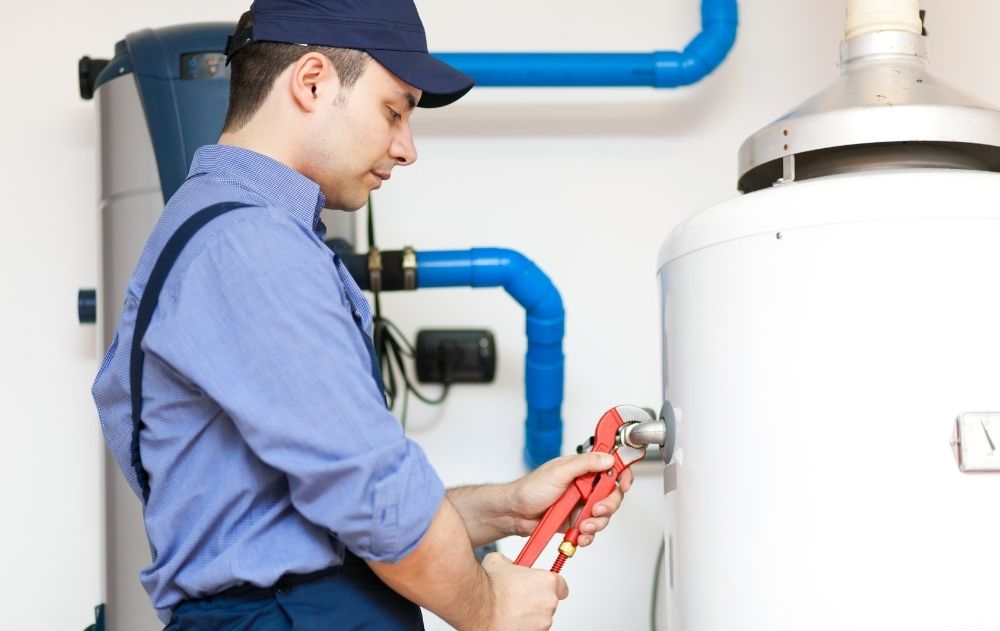
When a hot water system starts causing problems, the first question is often simple: should you repair it or replace it?
A repair can be the sensible choice when the problem is isolated and the rest of the system is in good condition. But if the system is deteriorating, breaking down repeatedly or approaching the end of its useful life, continuing to repair it may not make financial sense.
There is no single age or fault that automatically means a hot water system should be replaced. The right decision depends on the condition of the system, the type of fault and how reliably it has been performing.
When Does Repairing a Hot Water System Make Sense?
Repair is often worth considering when the problem is limited to a specific component and the rest of the system remains in reasonable condition.
A repair may make sense when:
- The system has generally been reliable
- The problem appears to be isolated
- There is no significant tank corrosion
- The system still meets your household’s hot water needs
- Repairs have been relatively infrequent
- The cost of the repair is reasonable compared with replacement
For example, a faulty component does not necessarily mean the entire hot water system has reached the end of its life.
The important question is whether fixing the current fault is likely to restore reliable operation or simply postpone another problem.
When Should You Consider Replacing the System?
Replacement becomes more worth considering when the system has multiple problems or is showing signs of significant deterioration.
Consider replacement when:
- The system has become unreliable
- Breakdowns are happening repeatedly
- Major components are failing
- The tank is significantly corroded
- A leak is coming from the tank itself
- Repair costs are becoming difficult to justify
- The system no longer meets your household’s hot water requirements
- The system is approaching the end of its expected service life
An older system does not automatically need replacing, but age combined with repeated faults can change the economics of continuing to repair it.
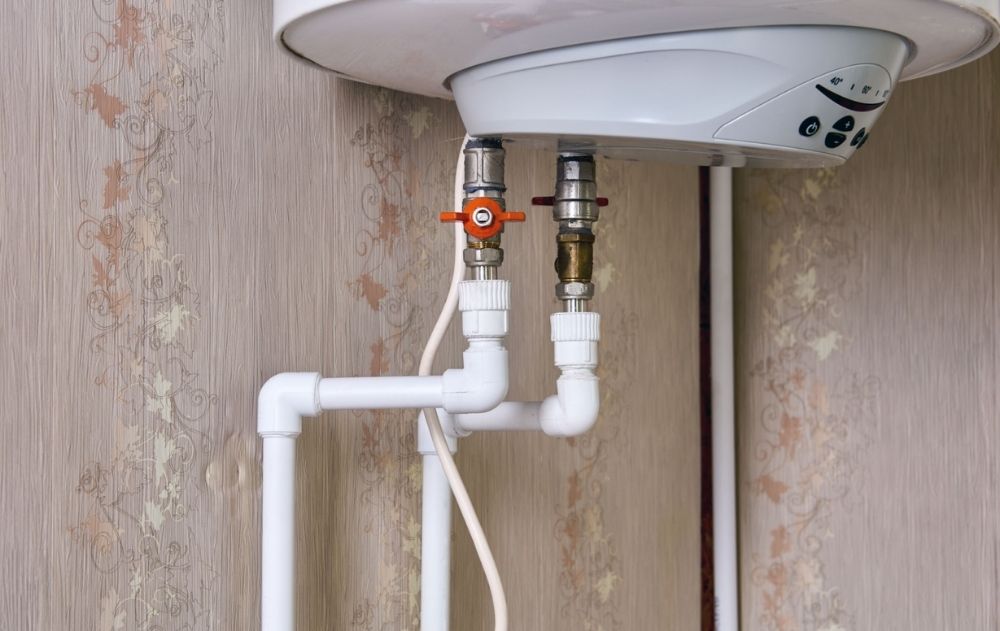
Frequent Repairs Can Be a Warning Sign
One repair does not necessarily mean you need a new system.
The bigger concern is a pattern of repeated failures.
If you have already repaired one component and another problem develops shortly afterwards, the total cost of maintaining the system can start to add up.
Ask yourself:
Is this a one-off repair, or am I repeatedly spending money to keep an ageing system operating?
If repairs are becoming more frequent, it may be worth comparing the ongoing repair costs with the cost and benefits of replacement.
What If the Hot Water Tank Is Corroded?
The condition of the tank is particularly important for storage hot water systems.
A faulty external component may be repairable, but significant corrosion or deterioration of the tank itself can be a different situation.
If the tank has developed a serious leak or structural deterioration, replacing the system may be more practical than attempting to keep an ageing unit running.
This is one reason the source of a leak needs to be identified before deciding whether a system should be repaired or replaced.
Does the Age of the System Matter?
Yes, but age should be treated as one factor rather than an automatic replacement trigger.
Hot water systems have different expected lifespans depending on their type, installation, usage and maintenance history.
An older system that has been reliable and only needs a minor repair may still be worth repairing.
On the other hand, an older system with recurring faults, deteriorating components and increasing repair costs may make replacement the more sensible option.
Think of age as part of the bigger picture rather than a fixed rule.
What About Repair Costs?
The cost of the repair should be considered alongside the condition of the entire system.
A relatively small repair may be worthwhile if the system is otherwise in good condition.
However, if a repair is expensive and the system is already experiencing other problems, it may be worth comparing that cost with replacement.
Also consider whether another major repair could reasonably be expected in the near future.
The cheapest option today is not always the cheapest option over the next few years.
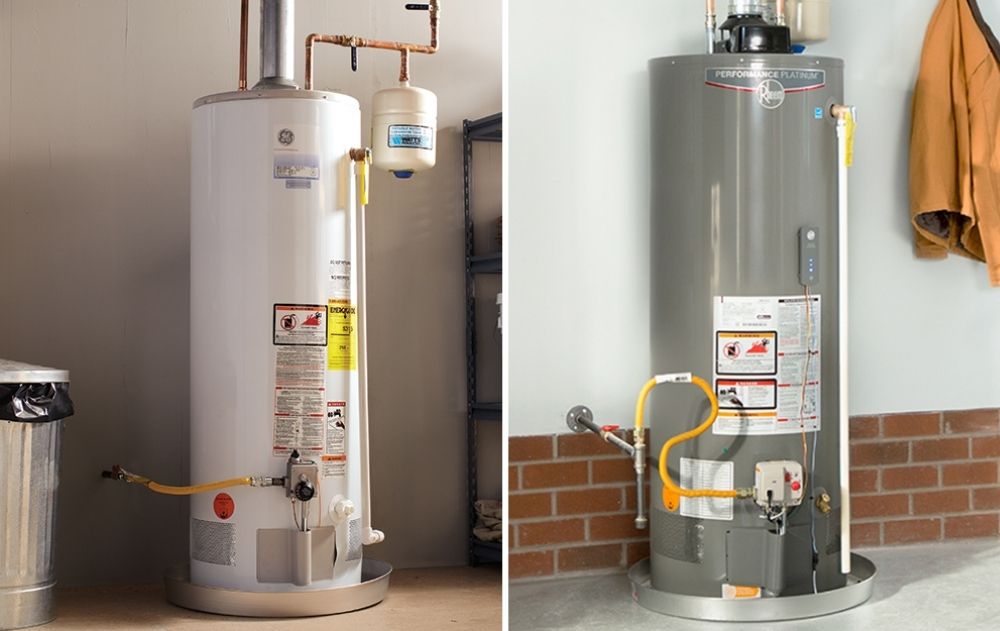
Is Replacement Worth Considering If the System Still Works?
Sometimes.
A hot water system does not have to completely fail before replacement becomes worth considering.
Replacement may be worth investigating if the existing system:
- Is becoming increasingly unreliable
- No longer provides enough hot water
- Has ongoing faults
- Has deteriorated significantly
- Is inefficient compared with suitable newer options
- Is no longer well suited to the household’s current needs
For example, a household may have changed since the system was originally installed. What was suitable for two people may not provide enough capacity for a larger household.
In that situation, replacement is not simply about fixing a fault. It is about whether the existing system is still appropriate for the home.
What Should You Consider Before Replacing a Hot Water System?
If replacement is being considered, do not choose a system based on price alone.
Consider:
Household Hot Water Usage
The number of people in the home and your daily hot water usage can influence what type and capacity of system is appropriate.
Existing Setup
The current system, available space, plumbing connections and energy source can affect replacement options.
Running Costs
Different systems have different energy requirements and operating costs. A lower purchase price does not necessarily mean the lowest long-term cost.
Available Space
The physical space available for the replacement system can limit which options are practical.
Long-Term Suitability
Think about whether the system will continue to meet your household’s needs over the coming years rather than simply solving today’s problem.
Repair or Replace? A Simple Way to Think About It
There is no universal rule, but this framework can help:
Situation | More likely to make sense |
Isolated component fault | Repair |
System otherwise reliable | Repair |
Minor issue on a relatively well-maintained system | Repair |
Frequent breakdowns | Consider replacement |
Significant tank corrosion | Replacement may be more practical |
Major tank leak | Replacement may be required |
Increasing repair costs | Compare repair and replacement |
System no longer meets household demand | Consider replacement |
Older system with multiple faults | Replacement may offer better long-term value |
The final decision should be based on the actual condition of the system rather than age alone.
What Should You Do Before Making the Decision?
If you are unsure whether your hot water system should be repaired or replaced, start by identifying the actual fault.
Avoid assuming that a visible symptom means the entire system has failed.
A professional assessment can determine:
- What has gone wrong
- Whether the problem can be repaired
- The condition of the existing system
- Whether other components are showing signs of deterioration
- Whether repair or replacement is likely to provide better long-term value
This gives you information to make the decision rather than replacing a system unnecessarily or repeatedly repairing one that is nearing the end of its useful life.
Final Thoughts
Repairing a hot water system is not always the cheapest long-term option, and replacing one is not always necessary.
A sensible decision considers the fault, system condition, repair history, age, household requirements and likely future reliability together.
If the problem is isolated and the system remains in good condition, repair may be the practical choice. If faults are becoming frequent or the system has significant deterioration, replacement may make more sense.
The goal is not simply to get the system working today. It is to choose the option that provides reliable hot water and makes sense for your home over the longer term.
Frequently Asked Questions
1. Is it better to repair or replace an old hot water system?
Not necessarily one or the other. An older system with a minor, isolated fault may still be worth repairing, while an older system with repeated breakdowns or significant deterioration may be better replaced.
2. How do I know if my hot water system is too old to repair?
Age alone does not determine whether repair is worthwhile. Consider the system’s condition, repair history, reliability and the severity of the current fault.
3. Does a leaking hot water system need to be replaced?
Not always. The source of the leak matters. A leaking valve or connection may be repairable, while significant corrosion or a leak from a deteriorated tank may make replacement more practical.
4. Should I replace my hot water system if it keeps breaking down?
Frequent breakdowns are a strong reason to compare continued repair costs with replacement. If multiple components are failing or the system is becoming unreliable, replacement may provide better long-term value.
