
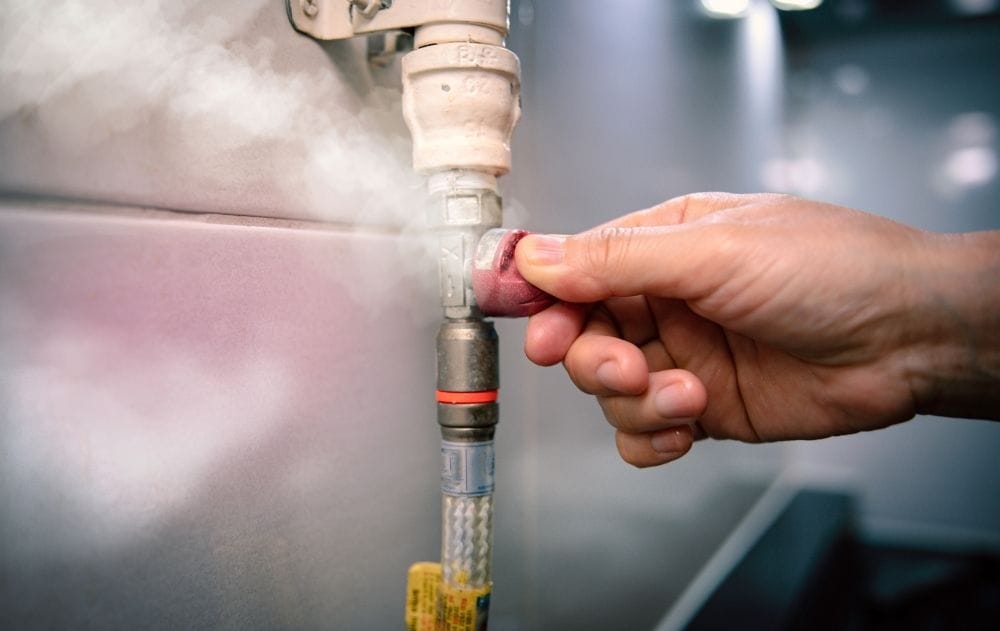
Gas leaks are not always obvious. While the smell of gas is one of the most recognisable warning signs, other changes around your home can also indicate a problem with your gas system or appliances.
Recognising these signs early can help you respond quickly and reduce the risk of a more serious safety issue.
1. A Strong Sulphur or “Rotten Egg” Smell
Natural gas is odourless, so an odorant is added to make leaks easier to detect. A strong sulphur-like or rotten-egg smell around a gas appliance, pipe or meter should never be ignored.
If you smell gas:
- Avoid flames and anything that could create a spark.
- Do not operate electrical switches unnecessarily.
- Leave the area if the smell is strong or you feel unsafe.
- If it is safe to do so, shut off the gas supply.
- Contact the appropriate emergency service or a licensed gas professional from a safe location.
Do not attempt to locate or repair the leak yourself.
2. Hissing or Whistling Sounds
Gas escaping from a pressurised pipe, fitting or connection can sometimes produce a hissing or whistling sound.
Pay attention to unusual sounds around:
- Gas meters
- Gas pipes
- Flexible connections
- Cooktops
- Gas heaters
- Gas hot water systems
A sound does not automatically confirm a gas leak, but an unexplained hissing noise around gas equipment should be investigated by a qualified professional.
3. Gas Appliances Are Not Working Normally
Changes in the way a gas appliance operates can indicate that it requires attention.
Warning signs may include:
- A burner that struggles to stay lit
- A pilot light that repeatedly goes out
- Unusual noises
- Reduced heating performance
- Difficulty starting an appliance
- Changes in flame appearance
There can be several causes for these symptoms, so avoid assuming that a gas leak is the only possible explanation.

4. Yellow or Orange Flames
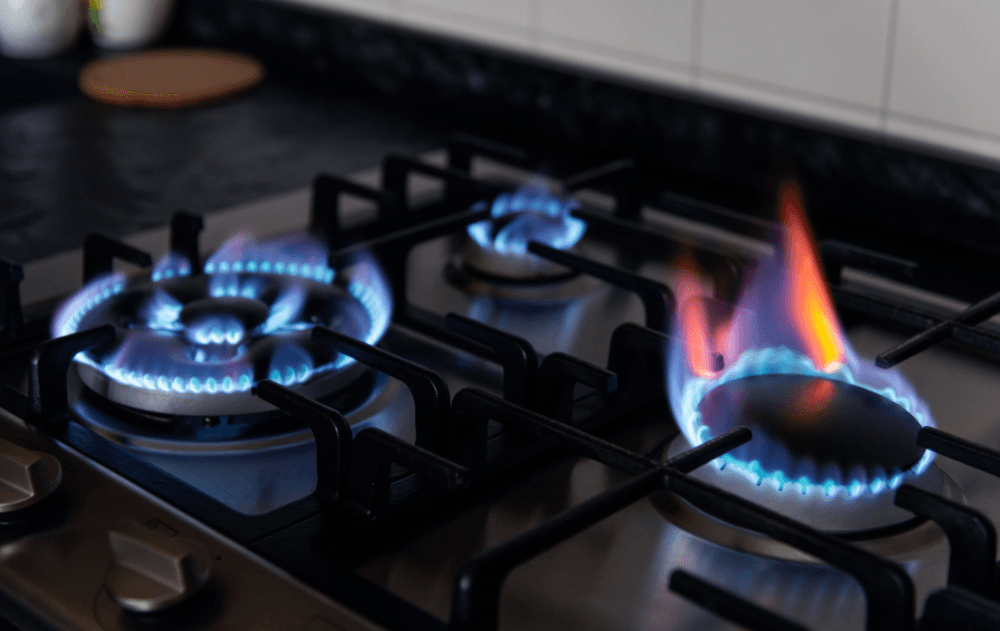
A gas appliance flame is typically blue when the appliance is operating correctly.
A persistent yellow or orange flame can indicate a combustion or appliance problem and should not be ignored, particularly when accompanied by soot, unusual smells or poor appliance performance.
Do not dismantle or attempt to adjust the appliance yourself. A qualified gas professional can assess the appliance and determine the cause.
5. Black Soot or Discolouration Around an Appliance
Black marks, soot or unusual discolouration around a gas appliance can indicate that it is not burning fuel correctly.
Check around appliances for:
- Black marks
- Soot
- Discolouration
- Signs of overheating
- Unusual staining
These signs do not necessarily mean there is a gas leak, but they can indicate a combustion or appliance issue that needs professional attention.
6. You Notice Unexplained Physical Symptoms
Gas-related problems can sometimes be associated with symptoms such as:
- Headaches
- Dizziness
- Nausea
- Unusual tiredness
- Breathing difficulties
These symptoms can have many possible causes and should not automatically be attributed to a gas leak.
However, if people in the property experience symptoms that improve after leaving the area, move to fresh air and seek appropriate medical or emergency assistance.
Carbon monoxide is particularly dangerous because it is colourless and odourless. Gas appliances that are not operating correctly can potentially produce carbon monoxide.
7. Your Gas Usage Changes Without an Obvious Reason
An unexplained increase in gas consumption may be worth investigating, particularly if your household’s usage and appliance use have not changed.
Higher usage can have many causes, including seasonal changes, increased appliance use or an inefficient appliance, so it is not proof of a gas leak.
However, combined with other warning signs such as unusual smells or appliance problems, it may justify further investigation.
8. Visible Damage or Corrosion
Gas pipework, fittings and flexible connections should not show obvious signs of deterioration.
Look out for:
- Corrosion
- Cracks
- Damaged pipework
- Deteriorated flexible connections
- Bent or physically damaged components
Do not touch, move or attempt to repair damaged gas components yourself. A licensed gas professional should assess the condition of the installation.
What Should You Do If You Suspect a Gas Leak?
Treat a suspected gas leak as a safety issue rather than trying to diagnose it yourself.
If it is safe to do so:
- Avoid flames, smoking and anything that could create a spark.
- Do not operate electrical switches unnecessarily.
- Turn off the gas supply at the meter if you can do so safely.
- Leave the property if the smell is strong or you feel unsafe.
- Keep others away from the affected area.
- Contact the appropriate emergency service or a licensed gas professional from a safe location.
Do not return to the property until it has been considered safe to do so.
What You Shouldn’t Do
If you suspect a gas problem, avoid:
- Trying to locate a hidden leak yourself
- Repairing gas pipes or fittings
- Dismantling a gas appliance
- Testing for leaks with a flame
- Continuing to operate an appliance that appears unsafe
- Ignoring a persistent gas smell
Gas installations and repairs require appropriately licensed professionals.
Are All Gas Warning Signs Evidence of a Leak?
No.
A yellow flame, unusual appliance performance, a higher gas bill or a pilot light that repeatedly goes out can have several possible causes.
The important point is not to assume the cause. If you notice a persistent or unusual change in your gas system, professional assessment can determine whether there is a leak, an appliance fault, a combustion issue or another problem.
Final Thoughts
Gas-related warning signs should never be ignored, but they should also not be confused with automatic proof of a gas leak.
A strong gas smell, hissing sounds, damaged pipework, unusual appliance behaviour, persistent yellow flames or unexplained changes in gas usage can all be reasons to investigate further.
If you suspect an immediate gas leak, prioritise safety first. Avoid ignition sources, leave the affected area if necessary and contact the appropriate emergency or licensed gas service from a safe location.
FAQs
1. What is the most common sign of a gas leak?
A strong sulphur or rotten-egg smell is one of the most recognisable warning signs because gas is deliberately odorised to make leaks easier to detect.
2. Is a yellow flame a sign of a gas leak?
Not necessarily. A yellow or orange flame can indicate a combustion or appliance problem, but it does not automatically mean there is a gas leak. The appliance should be professionally assessed if the problem persists.
3. Can I check a gas leak myself?
You can observe warning signs such as unusual smells, sounds or visible damage, but you should not attempt to locate, test or repair a gas leak yourself. Gas systems should be assessed by an appropriately licensed professional.
4. What should I do if I smell gas in my home?
Avoid flames and potential ignition sources, do not operate electrical switches unnecessarily, leave the area if necessary and contact the appropriate emergency service or a licensed gas professional from a safe location.
