Why neglecting plumbing maintenance can lead to costly disruptions in commercial buildings
Managing a commercial property involves keeping many building systems running smoothly, and plumbing is one of the most important. From office buildings and retail spaces to restaurants and industrial facilities, commercial plumbing systems are used heavily every day.
Without proper maintenance, small plumbing issues can quickly disrupt business operations, cause property damage, and lead to costly repairs. Understanding how commercial plumbing systems work and what maintenance they require can help property managers avoid unexpected problems.
Working with experienced commercial plumbers Perth property managers trust can help ensure plumbing systems are regularly inspected and maintained.
1. Commercial Plumbing Systems Handle Higher Usage
Commercial plumbing systems are designed to handle higher demand, but that demand also accelerates wear across the entire system.
Unlike residential properties, where usage is predictable, commercial buildings experience constant and varied usage throughout the day. This places ongoing stress on pipes, fixtures, valves, and drainage systems.
These systems typically support:
- Multiple restrooms across several floors
- Kitchens or food preparation areas
- Staff amenities and cleaning stations
- High-capacity hot water systems
Over time, this level of usage leads to gradual deterioration often without obvious signs at first. Without routine inspections, small issues such as minor leaks or pressure imbalances can escalate into system-wide problems.
2. Preventative Maintenance Helps Avoid Disruptions
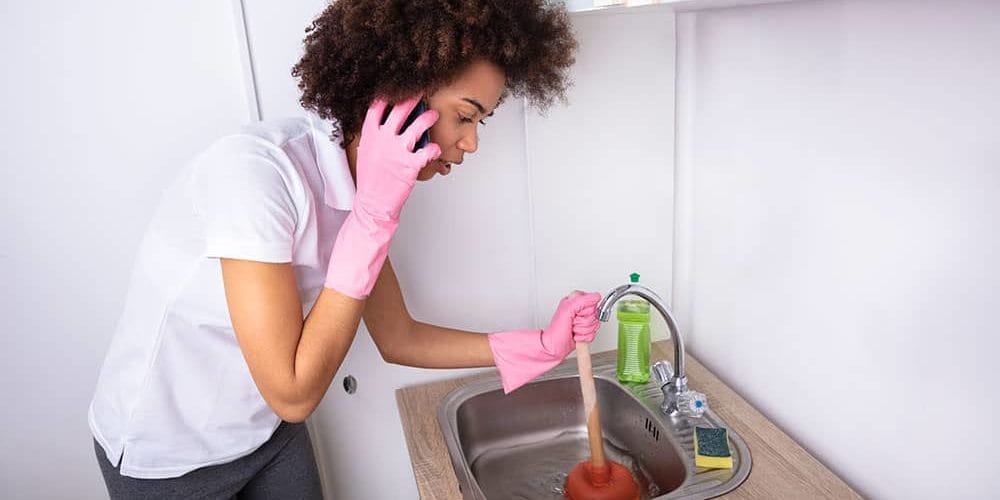
In commercial environments, plumbing failures don’t just cause inconvenience they impact operations, tenant satisfaction, and business continuity.
A blocked drain in a restaurant or a leak in an office building can quickly disrupt daily activities and, in some cases, lead to temporary shutdowns.
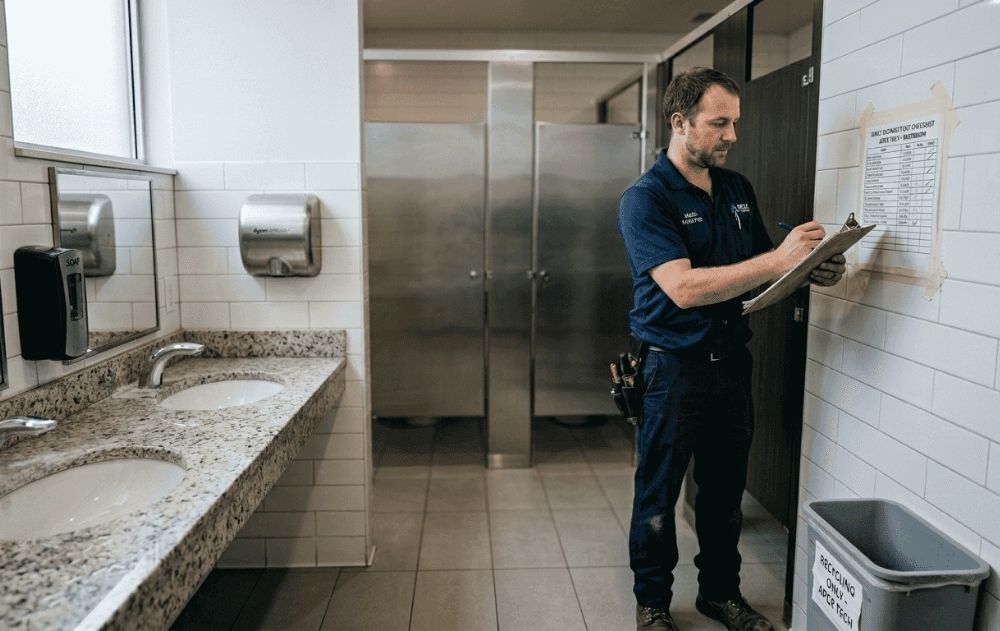
Preventative maintenance focuses on identifying risks before they become visible problems.
Typical maintenance includes:
- Inspecting pipes, joints, and fittings
- Monitoring water pressure levels
- Clearing drains and sewer lines
- Servicing hot water systems
- Detecting early-stage leaks
By addressing issues early, property managers can avoid reactive repairs, reduce downtime, and maintain a consistent experience for tenants and occupants.
3. Drain and Sewer Systems Require Regular Attention
Drainage systems in commercial properties are exposed to higher volumes and more complex waste compared to residential systems.
In sectors like hospitality, grease, food particles, and debris can accumulate quickly, restricting flow and increasing the risk of blockages.
Common issues include:
- Grease buildup in pipes
- Debris accumulation
- Tree root intrusion in underground drains
- Pipe deterioration over time
Without regular cleaning and inspections, these issues can lead to slow drainage, backups, or even complete system failure — all of which can disrupt operations and require urgent intervention.
4. Plumbing Compliance and Safety Requirements
Commercial plumbing systems must meet strict regulatory and safety requirements, which are often more complex than residential standards.
Property managers are responsible for ensuring that systems are not only functional but also compliant with local regulations and safety guidelines.
Key compliance elements include:
- Backflow prevention systems to protect water supply
- Grease traps in commercial kitchens
- Proper drainage and waste management systems
- Scheduled inspections and certification requirements
Failure to meet these standards can result in fines, operational restrictions, or safety risks for occupants.
5. Early Leak Detection Protects the Property
Leaks in commercial buildings can be more difficult to detect due to the size and layout of the property.
Pipes often run through concealed spaces, meaning leaks can develop and spread before they become visible.
Warning signs include:
- Sudden increases in water bills
- Damp smells or mould growth
- Water stains on ceilings or walls
- Reduced water pressure
If left undetected, leaks can damage structural elements, disrupt tenants, and lead to expensive repairs. Early leak detection plays a key role in protecting both the building and its occupants.
6. Hot Water Systems Need Regular Servicing
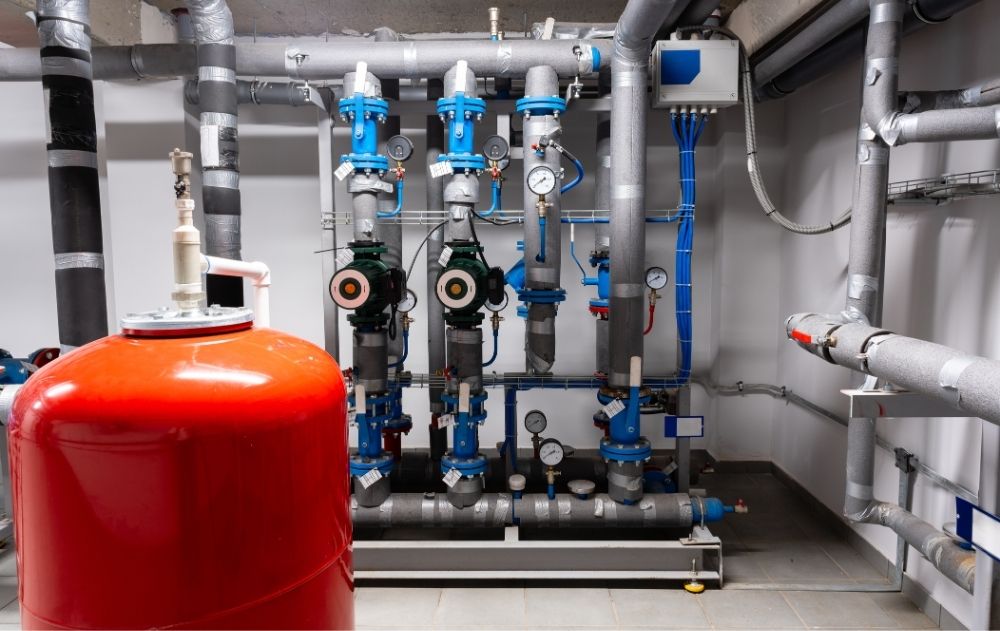
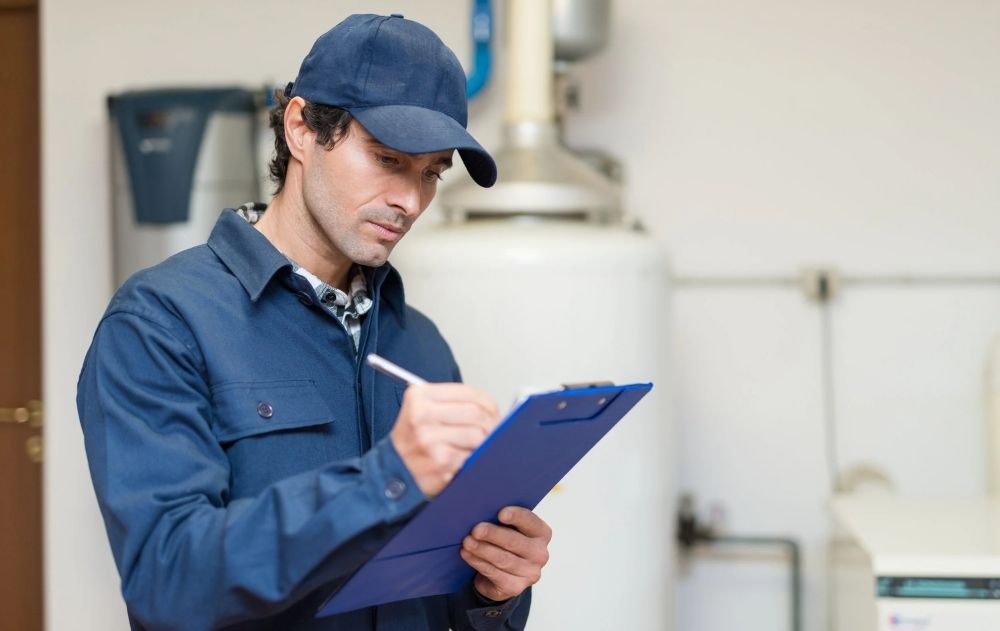
Hot water systems in commercial properties operate under continuous demand, especially in environments such as offices, gyms, healthcare facilities, and restaurants.
Without regular servicing, performance can gradually decline, leading to inconsistent supply or increased energy consumption.
Routine servicing helps:
- Maintain stable water temperatures
- Improve system efficiency
- Reduce the risk of unexpected breakdowns
Proactive maintenance also extends the lifespan of the system, reducing the need for early replacement
7. Plumbing Maintenance Helps Control Costs
Ignoring plumbing maintenance can lead to costly repairs or emergency callouts. Preventative One of the biggest advantages of regular plumbing maintenance is cost control.
Reactive repairs often come with higher costs due to urgency, labour, and potential property damage.
In contrast, preventative maintenance allows property managers to plan and budget more effectively.
Key benefits include:
- Early identification of potential issues
- Reduced risk of emergency repairs
- Improved system efficiency
- Extended lifespan of plumbing infrastructure
Over time, this approach helps minimise unexpected expenses and supports better long-term asset management.
Plumbing Services We Provide Across Perth
Maintaining commercial plumbing systems requires experience and specialised knowledge. Working with reliable professionals helps ensure plumbing infrastructure remains safe and efficient.
At Perth Local Plumbing & Gas, we provide a wide range of plumbing solutions across Perth, including:
- General plumbing services for leaks, taps, and plumbing repairs
- Commercial plumbing inspections and maintenance
- Burst pipe repairs and pipe replacements
- Blocked drain clearing and drainage inspections
- Hot water system installation and servicing
- Gas fitting and appliance connections
- Leak detection services
- Plumbing support for kitchen and bathroom plumbing renovations
Our experienced team works with property managers and businesses to keep plumbing systems operating reliably.
FAQs
1. Why is plumbing maintenance important for commercial buildings?
Commercial plumbing systems experience higher usage and require regular inspections to prevent leaks, blockages, and system failures that could disrupt business operations
2. How often should commercial plumbing systems be inspected?
Regular inspections are recommended to identify early signs of wear, leaks, or drainage issues before they become major problems.
3. What are common commercial plumbing problems?
Common issues include blocked drains, hidden leaks, hot water system failures, and worn plumbing fixtures due to heavy usage.
4. Do commercial plumbing systems require specialised plumbers?
Yes. Commercial plumbing systems are often larger and more complex, requiring experienced professionals familiar with commercial infrastructure.
5. Can preventative plumbing maintenance reduce repair costs?
Yes. Early detection of issues can help avoid expensive emergency repairs and minimise disruption to tenants or businesses.
Final thoughts
Commercial plumbing systems play a critical role in the daily operation of many buildings. Because these systems handle high water usage and serve multiple occupants, regular maintenance is essential.
By staying proactive and working with experienced commercial plumbers Perth property managers trust, building managers can reduce the risk of plumbing emergencies, maintain compliance, and keep plumbing systems functioning efficiently for years to come.