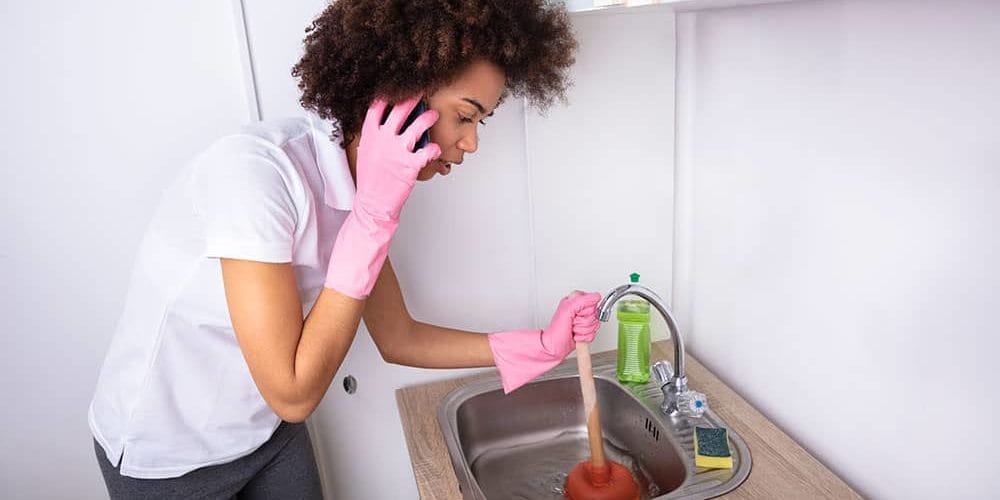
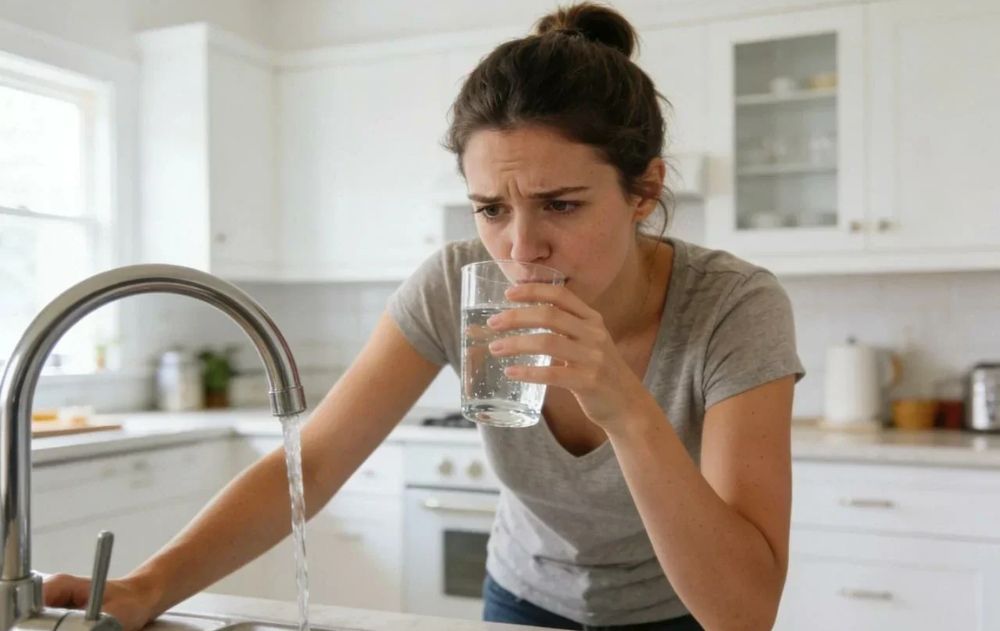
Hidden backflow issues that can contaminate your home’s water supply without any warning signs
You turn on your tap expecting clean, safe water. But what if your plumbing system is allowing contaminated water to flow back into your supply without you even noticing?
Backflow contamination is one of the most overlooked risks in residential plumbing in Perth. It doesn’t always smell, it doesn’t always look dirty, and in many cases, homeowners only discover it after the damage is already done.
1. What Is Backflow (And Why It’s a Serious Problem)?
Backflow happens when water flows in the wrong direction in your plumbing system.
Instead of clean water entering your home, contaminated water can flow back in through connections like garden hoses, irrigation systems, or drains especially when there’s a sudden change in water pressure.
This becomes a serious issue because:
- Bacteria, chemicals, and waste can enter your water supply
- The contamination can spread through your entire plumbing system
- It often happens without visible warning signs
Meaning your water could be unsafe without you even realising it. This is where professional general plumbing services in Perth play a critical role not just in fixing problems, but in preventing them before they escalate.
2. How Backflow Actually Happens in Perth Homes
Backflow is usually caused by a pressure imbalance in your plumbing system. When pressure changes, water can reverse direction and pull contamination into your supply.
a) Back Pressure
This happens when the pressure inside your home’s plumbing becomes stronger than the main water supply.
Common causes include:
- Hot water systems
- Pump systems
- Elevated water tanks
b) Back Siphonage
This occurs when there’s a sudden drop in water pressure, causing water to be sucked backward into your plumbing.
In Perth, this can happen due to:
- Burst water mains
- High water demand in the area
- Fire hydrant usage
Both situations create the same risk of contaminated water entering your clean supply without warning
3. Common Plumbing Setups That Increase Backflow Risk
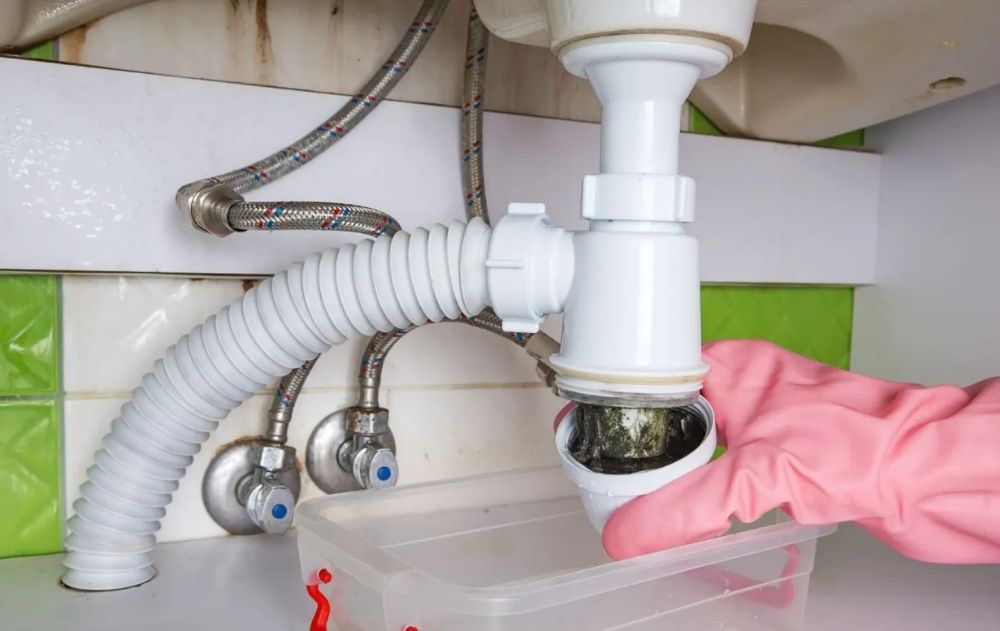
Most homes have hidden plumbing setups that can allow backflow often without homeowners realising it.
High-risk situations include:
- Garden hoses left submerged in pools, buckets, or tanks
- Irrigation systems without proper backflow protection
- Missing, damaged, or faulty backflow prevention devices
- DIY plumbing work that creates unsafe connections
- Renovations completed without proper inspection or compliance checks
4. Why You Might Not Notice Backflow Contamination
This is what makes backflow especially dangerous; it often occurs without obvious warning signs.
Backflow can:
- Have no strong smell
- Not immediately change water colour
- Occur intermittently, then disappear
Possible warning signs include:
- Unusual or metallic taste in water
- Occasional discolouration
- Sediment or particles from taps
- Sudden changes in water pressure
5. The Role of Water Filtration (And Its Limits)
Many homeowners rely on filtration systems to improve water quality but this is where confusion happens.
A water filter does not prevent backflow. A professional water filtration plumber can help improve the quality of your water, but filtration only works after water has already entered your system.
What filtration does:
- Removes impurities from your water
- Improves taste and clarity
- Reduces certain contaminants
What filtration does NOT do:
- Stop contaminated water from entering your plumbing
- Prevent backflow events
- Protect against pressure-related system failures
That’s why filtration should always be combined with:
- Proper backflow prevention devices
- Regular plumbing inspections
- System compliance checks
6. When Backflow Becomes an Emergency
Some backflow situations can escalate quickly and require immediate action.
Call emergency plumbers if:
- Water becomes visibly contaminated
- There’s a sudden drop in pressure across your home
- You suspect sewage or chemical contamination
- A pipe bursts or there is a major system failure
Delaying action can:
- Spread contamination through your entire system
- Cause damage to pipes and fixtures
- Put your household’s health at risk
In these situations, fast response is critical to contain the issue and protect your water supply
7. How Professional Plumbing Services Prevent Backflow
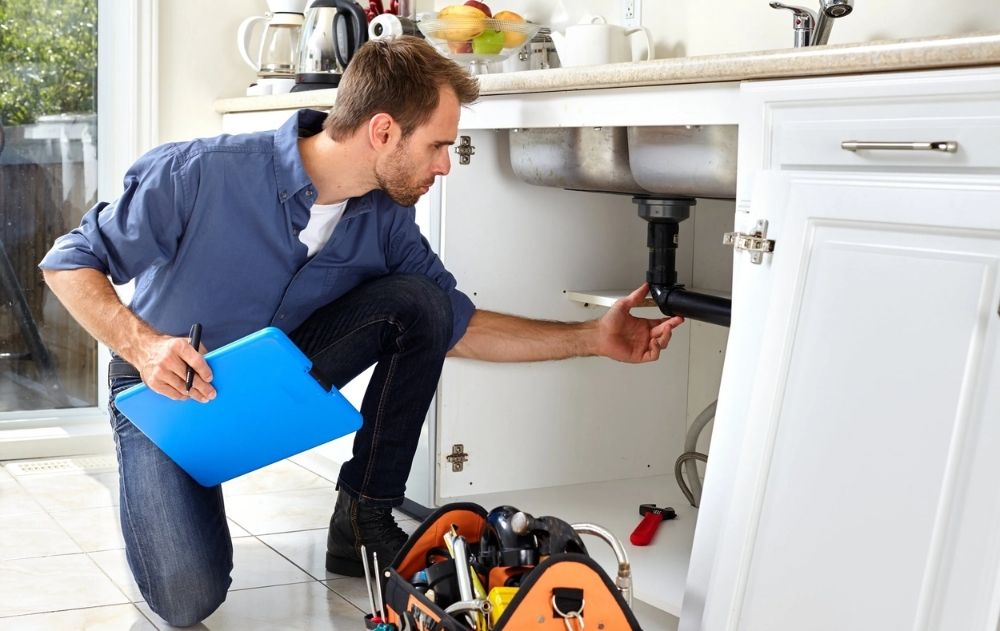
Backflow prevention isn’t something you can reliably fix yourself; it requires proper tools, testing, and system knowledge.
Qualified plumbers use:
- Backflow prevention devices
- System pressure testing and checks
- Compliance inspections
- Full plumbing system assessments
Reliable general plumbing services don’t just fix visible issues they identify hidden risks before they turn into serious and costly problems
When Should You Get Your Plumbing Checked?
Don’t wait for visible issues by the time you notice a problem, the damage may already be done.
You should act if:
- You’ve never had a plumbing inspection
- Your home has older pipes or outdated systems
- You’ve recently completed renovations
- You use irrigation or outdoor water setups
Preventative checks are far more affordable than dealing with contamination, repairs, or system failure later
Our Plumbing Services in Perth
At Perth Local Plumbing & Gas, we don’t just fix plumbing problems—we identify and prevent risks like backflow contamination before they impact your home.
Our services include:
- Backflow prevention and testing to protect your water supply from contamination
- General plumbing services including inspections, leak detection, and system maintenance
- Water filtration system installation to improve water quality and safety
- Emergency plumbing services for burst pipes, sudden pressure loss, and urgent contamination risks
Whether it’s a routine check or an urgent issue, our team ensures your plumbing system stays Safe, compliant, and built to last
FAQs
1. What is backflow and why is it dangerous?
Backflow is when contaminated water flows backward into your clean water supply. It can introduce bacteria, chemicals, and waste into your drinking water, making it unsafe
2. What causes backflow in residential plumbing systems?
Backflow is usually caused by sudden changes in water pressure, such as burst pipes, high demand on the water supply, or faulty plumbing connections.
3. Can backflow happen even if my plumbing system is new?
Yes. Even modern homes can experience backflow if there are cross-connections, poor installation, or no backflow prevention devices in place.
4. What are the signs of backflow contamination at home?
Common signs include unusual taste, discoloured water, sediment, or sudden pressure changes—but in many cases, there may be no visible signs at all.
5. How can I prevent backflow in my home?
Backflow can be prevented through proper plumbing design, installation of backflow prevention devices, and regular inspections by a licensed plumber.
Final thoughts
Backflow contamination isn’t something most homeowners think about but it’s one of the few plumbing issues that can directly impact your health without warning. It happens silently and often goes unnoticed. And by the time you realise it, the damage may already be done.
The smartest move isn’t waiting for symptoms, it’s preventing the risk altogether.If you’re unsure about your plumbing system or haven’t had it checked recently Call Perth Local Plumbing & Gas today to book a professional inspection and make sure your water supply is safe, compliant, and fully protected.