
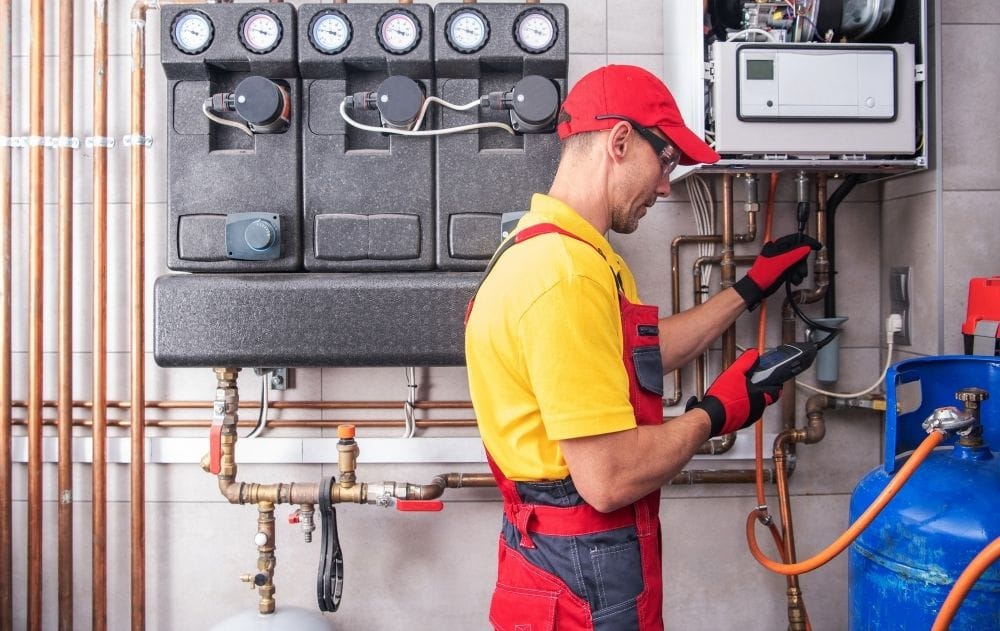
What Perth homeowners need to know before a small leak turns into a major plumbing issue
Leaks in residential hot water systems are one of the most common issues Perth plumbers are called out for—and often one of the most preventable. The challenge is that many leaks start quietly, behind walls, inside cupboards, or beneath the system itself. By the time they’re obvious, water damage and system failure may already be underway.
Understanding the early warning signs can help you act sooner, reduce repair costs, and keep your hot water running safely and efficiently.
1. Constant Dripping from the Pressure Relief Valve
Australian standards require hot water systems to release pressure during heating cycles, but constant dripping is not normal.
Warning signs include:
- Continuous water flow rather than occasional discharge
- Wet or stained drain lines
- Increased water usage without explanation
This is often linked to pressure regulation issues, faulty valves, or sediment buildup issues also commonly identified during general plumbing inspections or valve replacements.
2. Rust, Corrosion, or Discoloured Water
Rust around your system is rarely cosmetic. Look for:
- Brown or reddish water from hot taps
- Flaking metal on the tank or connections
- Corroded fittings and joints
In many Perth homes, mineral-rich water accelerates corrosion. Once internal linings break down, leaks are only a matter of time. This is a frequent reason older Hot Water Systems Perth homeowners choose system upgrades during broader plumbing works.
3. Reduced Hot Water Pressure
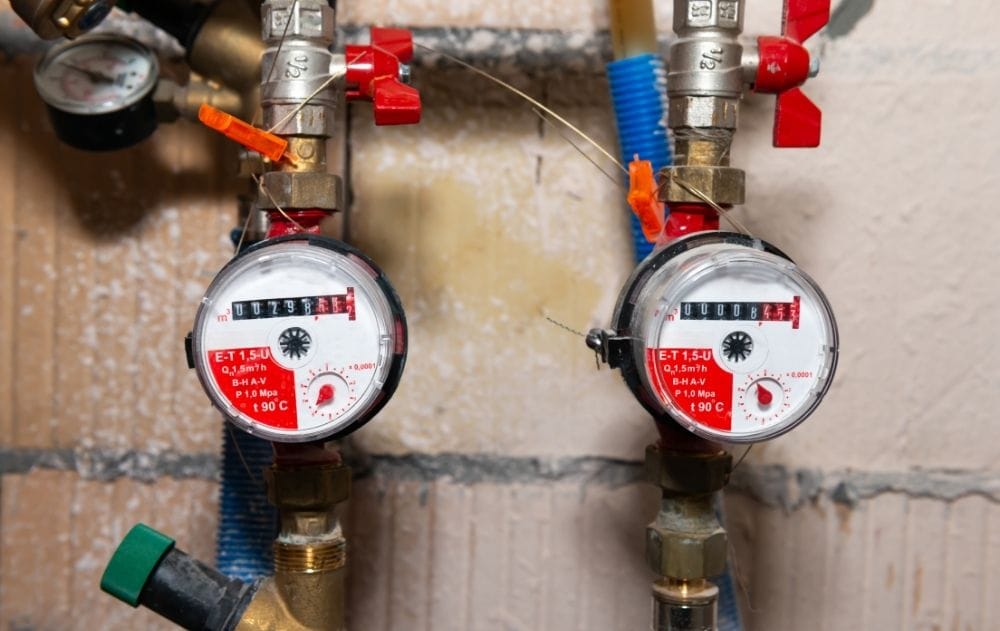
If your cold water pressure is fine but hot water pressure drops, a leak may be restricting flow. Common causes include:
- Internal tank deterioration
- Leaking hot water pipework
- Failing tempering valves
Pressure issues are often first noticed during bathroom or laundry plumbing upgrades, where hot water performance suddenly becomes inconsistent.
4. Higher-Than-Normal Water Bills
An unexplained spike in your water bill can point to a hidden leak. This may be due to:
- A tank refilling constantly
- Underground or wall cavity pipe leaks
- Pressure relief valves discharging non-stop
Leak detection is a core part of professional residential plumbing services, helping homeowners avoid months of wasted water and unnecessary costs.
5. Damp Walls, Floors, or Ceilings
Hot water leaks don’t always show up near the system itself. Be alert to:
- Damp patches near bathrooms or laundries
- Bubbling paint or warped flooring
- Musty smells or mould growth
Leaks inside walls can affect structural materials and indoor air quality.
6. Water Pooling Around the Hot Water System
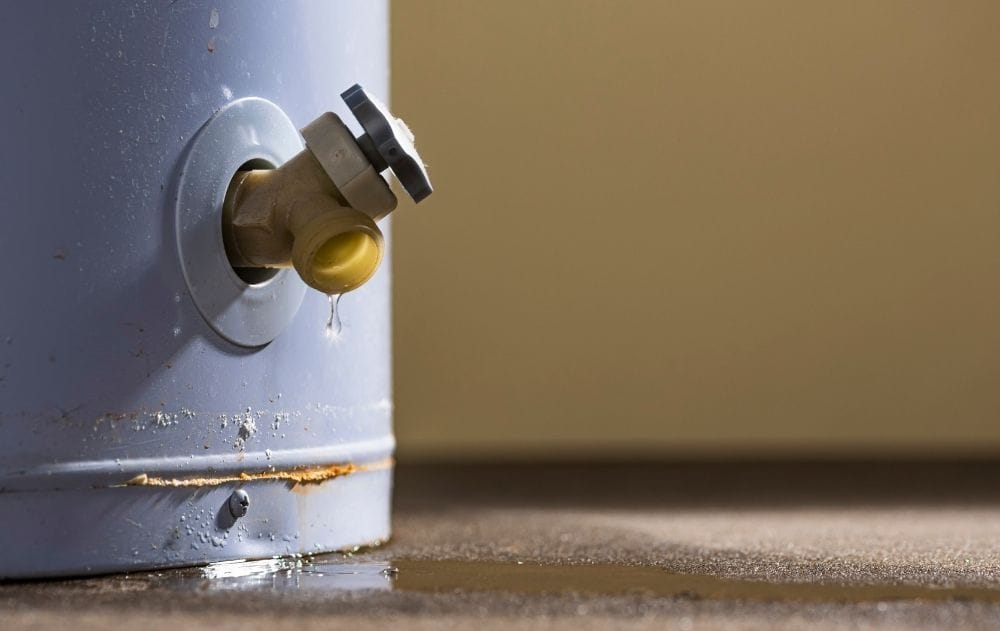
Any visible water around the base of your unit should be taken seriously.
This can be caused by:
- Loose or deteriorated fittings
- A failing pressure relief valve
- Corrosion inside the storage tank
Even small puddles can indicate a slow leak that worsens over time. During routine plumbing maintenance or hot water servicing, licensed plumbers often identify these issues early before replacement becomes unavoidable.
7. Unusual Noises from the System
While some noise is normal, persistent hissing, popping, or cracking sounds can indicate internal problems. These noises are often linked to:
- Sediment buildup
- Overheating due to restricted flow
- Pressure fluctuations from internal leaks
Early intervention can prevent full system failure and emergency call-outs.
When Should You Call a Licensed Plumber?
You should arrange professional assistance if:
- Leaks persist or worsen
- You notice rust or corrosion
- Hot water pressure drops suddenly
- Your system is more than 8–10 years old
In Western Australia, hot water system repairs must be carried out by licensed professionals to ensure safety and compliance.
Perth Local Plumbing Services – How We Can Help
Perth Local Plumbing & Gas provides fully licensed, WA-compliant residential plumbing services across the metro area.
Our services include:
- Hot water system repairs and replacements
- Residential hot water system leak detection
- General residential plumbing maintenance
- Emergency plumbing call-outs
- Bathroom and kitchen plumbing
- Blocked drains and pipe repairs
All work is completed by licensed plumbers in accordance with Australian Standards and local regulations.
FAQs
1. Are small hot water system leaks urgent?
Yes. Even small leaks in residential hot water systems usually indicate internal wear or pressure issues and can quickly worsen if not repaired.
2. Can a leaking hot water system damage my home?
Yes. Ongoing leaks can cause mould growth, timber rot, and damage to walls, ceilings, and flooring if left untreated.
3. Should I repair or replace a leaking hot water system?
This depends on the system’s age and condition. Repairs may be suitable for newer units, while older systems are often more cost-effective to replace.
4. How often should residential hot water systems be inspected?
Most plumbers recommend inspections every 1–2 years, particularly in Perth where water quality can accelerate corrosion.
5. What causes hot water systems to start leaking?
Common causes include corrosion, faulty pressure relief valves, loose fittings, sediment buildup, and normal wear over time.
6. Is a dripping pressure relief valve normal?
Occasional dripping during heating cycles is normal, but constant dripping usually indicates a fault and should be checked by a licensed plumber.
Final Thoughts
Leaks in residential hot water systems are never something to ignore. Whether it’s a dripping valve, reduced pressure, or unexplained water bills, early signs point to issues that only grow more expensive over time.
If your hot water system is leaking or showing warning signs, contact Perth Local Plumbing & Gas immediately to prevent further damage.
